
Quick answer: renovation phasing tide pattern track
Review focus: renovation phasing tide pattern track.
Renovation phasing tide pattern track zone release is a sequencing problem before it is an installation problem. In occupied buildings, the overhead route that carries top-hung movable panels often sits inside a corridor, lobby or ceiling zone that other trades also need. Releasing that zone in a tide pattern means opening and closing work fronts in planned waves rather than handing over the whole ceiling at once. The aim is to keep the building usable while the track route, support structure and stacking position are coordinated. Every recommendation below depends on project-specific drawings, support review and acoustic requirements confirmed for the actual layout.
What Tide-Pattern Release Means for a Track Zone
Project review term: renovation phasing tide pattern track.
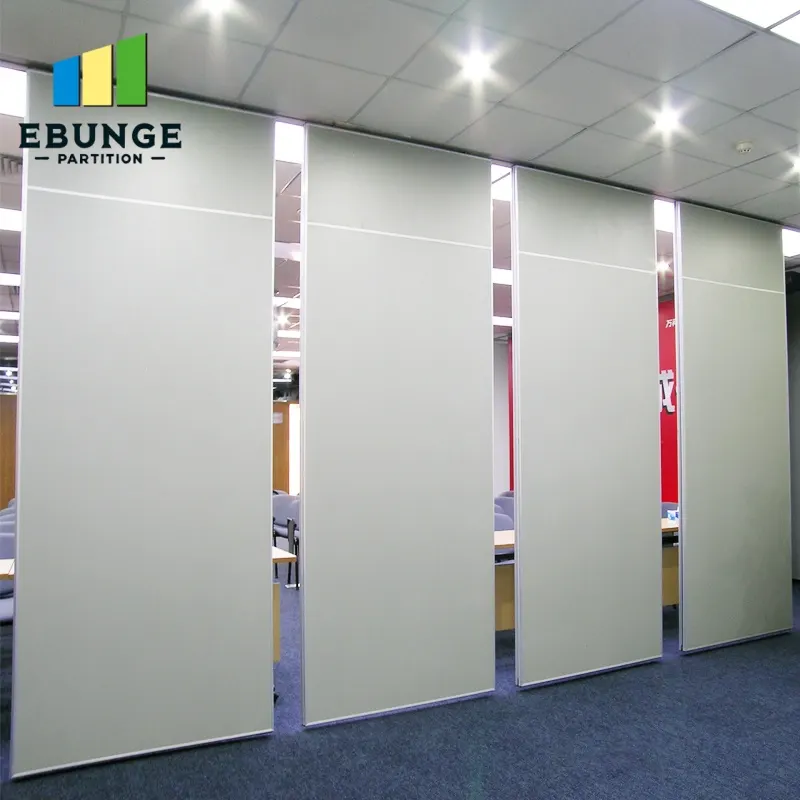
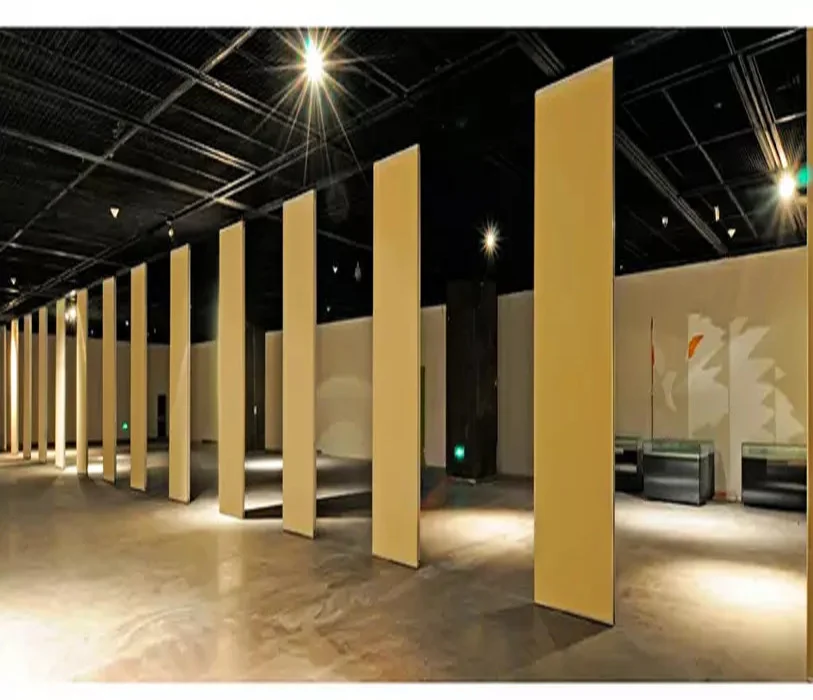
A tide pattern is a release rhythm: a defined work area becomes available, is used for its coordinated scope, then returns to the building or passes to the next trade. For a movable partition, the critical overhead elements are the top track, its supporting structure and the planned parking or stacking position. Because EBUNGE movable panels are individually movable and suspended from a top track, they cross the opening without a floor track and park at a planned stacking position. That means the ceiling zone above the opening and the stacking bay must be released in a sequence that matches the panel route, not simply the room handover date.
Straight, turning and stacking routes are reviewed from the layout. A route that looks simple on a room plan may include a turn into a corridor or a stack against a side wall. Each of those segments needs its own release window. Treating the track zone as one lump usually creates either an idle trade or a blocked route.
Information to Collect Before Any Release Date Is Fixed
Coordination scope: renovation phasing tide pattern track.
Phasing decisions are only as good as the drawings behind them. The suitability of each route and parking arrangement depends on the approved layout, circulation, ceiling interfaces and operating sequence. If any of those are still schematic, the release date is provisional.
Drawing and coordination inputs
- Coordinated plan showing the partition line, turning points and stacking position.
- Reflected ceiling plan or equivalent showing the overhead zone and competing services.
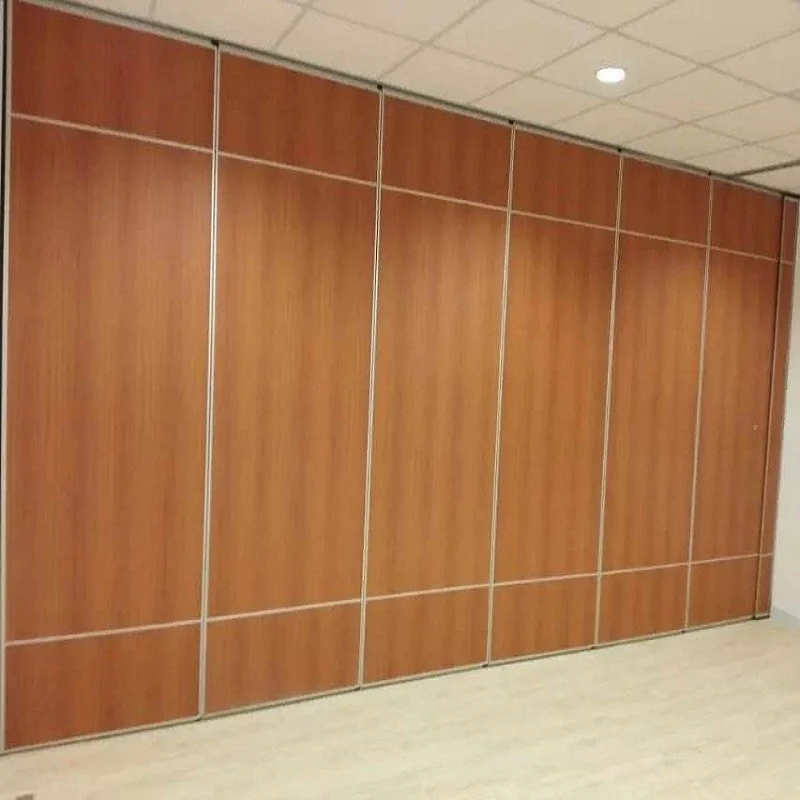
- Confirmed finish direction for laminate, melamine, fabric, leather, glass or other approved surfaces.
- Pass-door requirements and project documentation needs identified early.
- Acoustic intent stated as a project requirement, not inferred from a finish or drawing.
This list is a starting point. The exact documents depend on the building, the authority having jurisdiction and the contract structure. Where information is missing, record it as an open item rather than filling the gap with an assumption.
Sequencing the Release in Manageable Waves
Checklist focus: renovation phasing tide pattern track.
A tide pattern works when each wave has a clear entry condition and a clear exit condition. The entry condition is what must be true before the zone is released to the partition scope. The exit condition is what must be verified before the zone is handed back or closed up.
- Define the first wave around the primary opening and its immediate overhead route.
- Confirm support and ceiling coordination for that wave before release.
- Release the zone for track-related work only, with adjacent trades informed.
- Verify the route and stacking position against the coordinated layout.
- Close the wave and release the next zone, repeating the same checks.
- Keep the final stacking bay available until the last wave is complete.
Waves do not have to be equal in size. A small first wave around a busy corridor may reduce disruption more than a large wave that blocks two routes at once. The right rhythm comes from the layout and the building’s operating pattern.
Coordination Between Trades and Building Operations
Review focus: renovation phasing tide pattern track.
Track zone release is rarely a single-trade activity. Ceiling framing, services, fire-stopping, finishes and partition work may all touch the same overhead zone. A tide pattern helps because each trade can see when its access opens and closes. It fails when release dates are treated as fixed regardless of readiness.
Practical coordination points
- Agree who confirms that the overhead route is clear before release.
- Record any change to the route or stacking position and re-check the layout.
- Keep building operations informed of corridor and lobby closures.
- Confirm acoustic and dimensional requirements with the responsible design party.
- Use the same drawing revision across all trades for each wave.
Where a route crosses a gap that is not connected overhead, the movement path cannot be assumed. Every proposed movement path requires a continuous connected overhead route and project-specific support review. This is a planning boundary, not a performance statement.
Evidence Boundaries for Phasing Documents
Project review term: renovation phasing tide pattern track.
Phasing documents often drift into claims that the drawings do not support. A room name does not prove a application reference. Keeping these boundaries explicit protects the whole team.
Evidence note: statements about acoustic performance, structural capacity, fire behaviour, durability, maintenance or commercial outcomes require matching project-specific evidence. Where that evidence is not available, state the confirmation boundary instead of implying a result.
Reviewing the Plan Before Release
Coordination scope: renovation phasing tide pattern track.
A short review before each wave can prevent rework. The review should confirm that the layout revision is current, the support question is closed or formally open, the route is continuous overhead, and the stacking position is still available. It should also confirm that finish selections and pass-door requirements are documented.
Decision checklist
- Is the coordinated layout the current revision?
- Has the support structure been reviewed by the responsible party?
- Is the overhead route continuous for the proposed movement path?
- Is the stacking position clear of other trades?
- Are acoustic and dimensional requirements confirmed for this wave?
- Are finish and pass-door items documented?
If any answer is no, the wave is not ready. Adjust the release date or narrow the scope rather than proceeding on assumption.
Frequently Asked Questions
What is a tide-pattern track zone release in renovation phasing?
It is a sequencing approach where the overhead zone for a movable partition is opened and closed in planned waves. Each wave has defined entry and exit conditions, so the track route and stacking position are coordinated without releasing the whole ceiling at once.
Which drawings are needed before a release date is fixed?
At minimum, a coordinated layout showing the partition line, turning points and stacking position, plus ceiling coordination and support information reviewed by the responsible party. The exact set depends on the building and contract.
Can panels move across a gap without overhead support?
No. Every proposed movement path requires a continuous connected overhead route and project-specific support review. The exact route, junction arrangement, continuous overhead path and parking position must be confirmed from the coordinated project drawings.
How should acoustic requirements be handled in phasing documents?
State the project requirement and confirm it against the actual assembly, opening conditions and adjacent construction.
Do finish choices affect the release sequence?
Finish direction for laminate, melamine, fabric, leather, glass or other approved surfaces should be documented early, because it affects procurement and handover checks.
When should pass-door requirements be raised?
Pass-door requirements and project documentation can be discussed early in planning. Raising them before the release sequence is fixed helps avoid reopening a closed wave later.
Conclusion and Next Step
Define each wave, confirm the overhead route and support question, keep the stacking position available, and record what still needs project-specific confirmation. This approach keeps the building usable while the movable partition scope progresses in step with other trades.
To review a specific layout, discuss pass-door requirements or plan project documentation, contact the EBUNGE team. You can also review the movable wall product context and the planning resources before the next coordination meeting.