
Quick project answer
Review focus: track fixing method statement.
A bidder track fixing method statement tender review is not a formatting exercise. It is the point where a contractor, architect or owner decides whether the proposed overhead support route, fixing logic and coordination evidence are clear enough to price, build and inspect. For movable partitions, the track is the load-bearing interface between the building structure and the panels. The exact overhead route and support arrangement must be confirmed by the responsible project team from coordinated drawings. The suitability of each route and parking arrangement depends on the approved layout, circulation, ceiling interfaces and operating sequence.
Start With the Product Logic, Not the Paperwork
Project review term: track fixing method statement.
EBUNGE movable wall panels are individually movable, suspended from a top track, cross the opening without a floor track and park at a planned stacking position. That maintained product logic shapes what a method statement must address. Because panels hang from above, the track and its fixing points carry the system. A bidder who describes panel handling but skips the overhead support route has not answered the core question.
Straight, turning and stacking routes are reviewed from the layout. The method statement should therefore match the drawn route, not a generic template. If the layout shows a turn or a parking area, the statement should show how the overhead route remains continuous and supported through that geometry. Do not infer hidden capacity from a neat drawing; ask for the project-specific confirmation.
What a Track Fixing Method Statement Should Cover
Coordination scope: track fixing method statement.
A useful statement is a coordination document, not a sales page.
Where the statement is silent, treat that silence as a question for the tender clarification log. Silence is not evidence of suitability. The goal is to make responsibilities visible before award, not to assume that a standard detail will fit every project.
Evidence note: what a method statement cannot prove
Do not derive acoustic, fire, durability, load, maintenance or commercial performance from a visible shape, finish, photograph or drawing. Comparative, absolute and causal statements require matching project evidence. If the evidence is not in the submission, record it as an open item rather than filling the gap with an assumption.
A Practical Review Sequence for Tender Teams
Checklist focus: track fixing method statement.
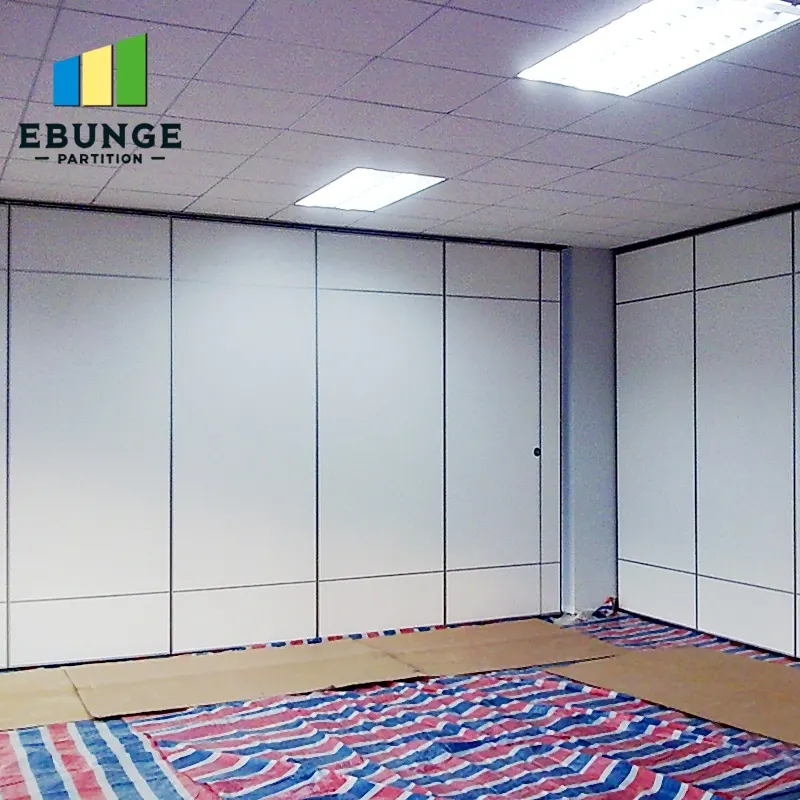
The following numbered process keeps the comparison fair and the evidence trail clear.
- Confirm the proposed partition type and that panels are top-hung with no continuous floor running track along the partition line.
- Check that the drawn straight, turning and stacking routes match the method statement.
- Identify the fixing substrate and ask for project-specific support confirmation where the statement is general.
- Review interfaces with ceiling, services, finishes and adjacent construction.
- Check that parking style is described as customized to the layout and project requirements.
- List every unanswered item in the clarification log before scoring the bid.
Drawing and Specification Coordination Checks
A mismatch between the track route and the ceiling zone is a coordination risk, not a minor drafting issue. Ask the bidder to mark up the drawing where the statement and the layout disagree.
Finish choices also belong in the coordination review. Confirmed finish options include laminate, melamine, fabric, leather, glass and other approved surfaces. Those are separate project-specific confirmations.
Compact comparison: strong versus weak submissions
| Review point | Stronger submission | Weaker submission |
|---|---|---|
| Route description | Matches drawn straight, turning and stacking routes | Generic route with no layout reference |
| Fixing logic | Names substrate and states confirmation required | Assumes a standard fixing without evidence |
| Floor interface | Confirms no continuous floor track along the partition line | Ambiguous about floor hardware |
| Parking | Describes customized parking per layout | Repeats a default parking description |
| Open items | Lists clarifications and responsibilities | Leaves gaps for the contractor to absorb |
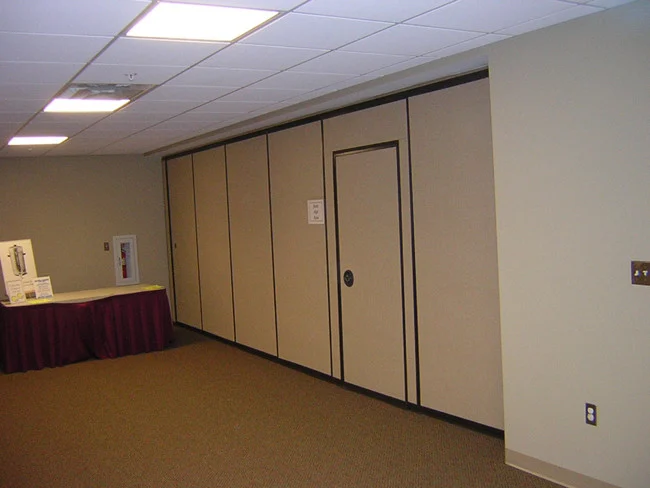
Acoustic and Dimensional Statements: Keep Them Conceptual
Dimensional requirements follow the same rule. Panel heights, track lengths, turning radii and stacking depths must be confirmed against the actual layout. Do not accept a bidder’s dimensional summary as final until the project team has reviewed it against the coordinated drawings.
Questions to Put in the Clarification Log
A clarification log turns vague submissions into comparable ones. It also protects the project from later claims that a requirement was implied. Use the following checklist to structure requests.
- Which structural substrate will receive the track fixings, and what project-specific confirmation is required?
- How does the proposed route handle straight, turning and stacking movements shown on the layout?
- Where does the overhead route remain continuous and supported?
- What parking position is planned, and how was it customized to the layout?
- Which interfaces with ceiling, services and finishes need coordination before fabrication?
- What pass-door requirements apply, and what project documentation will be provided?
- Which acoustic and dimensional requirements still need project-specific confirmation?
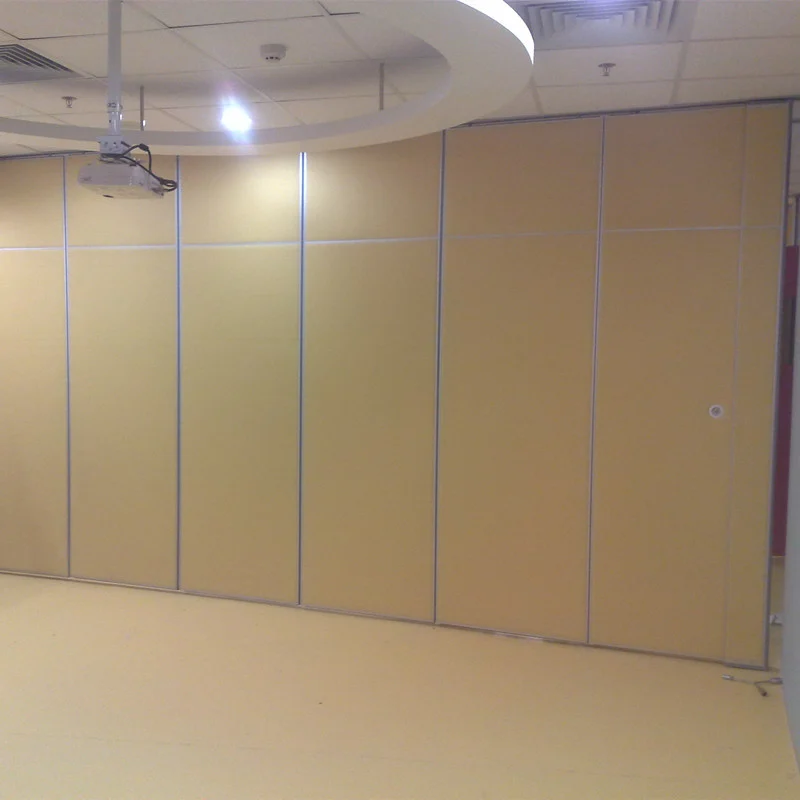
For broader procurement context, the EBUNGE resources page can support internal briefing, while the movable walls product page provides maintained product context. Neither replaces the project-specific review.
FAQ: Bidder Track Fixing Method Statement Tender Review
What is the first thing to check in a bidder’s track fixing method statement?
Check that the statement matches the drawn route and confirms the top-hung logic. Panels are suspended from a top track and cross the opening without a floor track, so the overhead support route is the central issue.
Can a method statement confirm acoustic performance?
No.
How should parking be described in the submission?
Parking style is customized to the customer layout and project requirements. The statement should reference the planned stacking position shown on the coordinated layout rather than a default description.
What if the fixing substrate is not identified?
Record it as an open clarification. Project-specific support confirmation is required, and the bidder should not assume a standard fixing without evidence.
Do finish samples prove structural or acoustic capability?
No. Confirmed finish options include laminate, melamine, fabric, leather, glass and other approved surfaces.
When should the project team request pass-door documentation?
Pass-door requirements and project documentation can be discussed during tender review. Raise them early so the bidder’s statement and the project drawings remain aligned.
Conclusion: Review the Evidence, Then Confirm the Project
Confirm the top-hung logic, match the route to the layout, identify the fixing substrate, review interfaces and log every unanswered item. Do not infer performance from a drawing or a finish.
Every project still requires confirmation of support, acoustic and dimensional requirements against its own drawings and specifications. If your team is preparing a tender package or comparing submissions, contact EBUNGE to discuss project documentation, pass-door requirements and coordination questions.