
Quick answer: partition interface assumption
Review focus: partition interface assumption.
An architect partition interface assumption log before tender is a simple coordination record: it captures what the design team currently assumes about where movable partitions meet structure, finishes, services and adjacent rooms. Because movable wall panels are individually movable, suspended from a top track, cross the opening without a floor track, and park at a planned stacking position, the assumptions that matter most are overhead route continuity, support coordination and the geometry of straight, turning and stacking paths. Logging those assumptions early keeps tender documents honest and gives bidders a clear list of items that still require project-specific confirmation.
Why an assumption log belongs in the tender package
Project review term: partition interface assumption.
Drawings show intent, but they rarely show every interface condition that a movable partition depends on. A log separates confirmed design decisions from items that remain open. The suitability of each route and parking arrangement depends on the approved layout, circulation, ceiling interfaces and operating sequence.
The log is not a performance document. It is a coordination document. It should state what is assumed, who must confirm it, and what evidence would close the item.
Start with the movement route, not the panel
Coordination scope: partition interface assumption.
Every movable partition proposal begins with a route. Panels travel along a continuous connected overhead route, so the first assumption to log is whether the proposed path is straight, turning or a combination of both. A route that looks simple on plan may include a turn into a stacking area, and that turn needs its own overhead continuity review.
Straight runs
For a straight run, log the opening width, the intended parking position and the relationship between the track line and adjacent structure. Do not assume that a clear floor line means the overhead route is automatically coordinated.
Turning and stacking routes
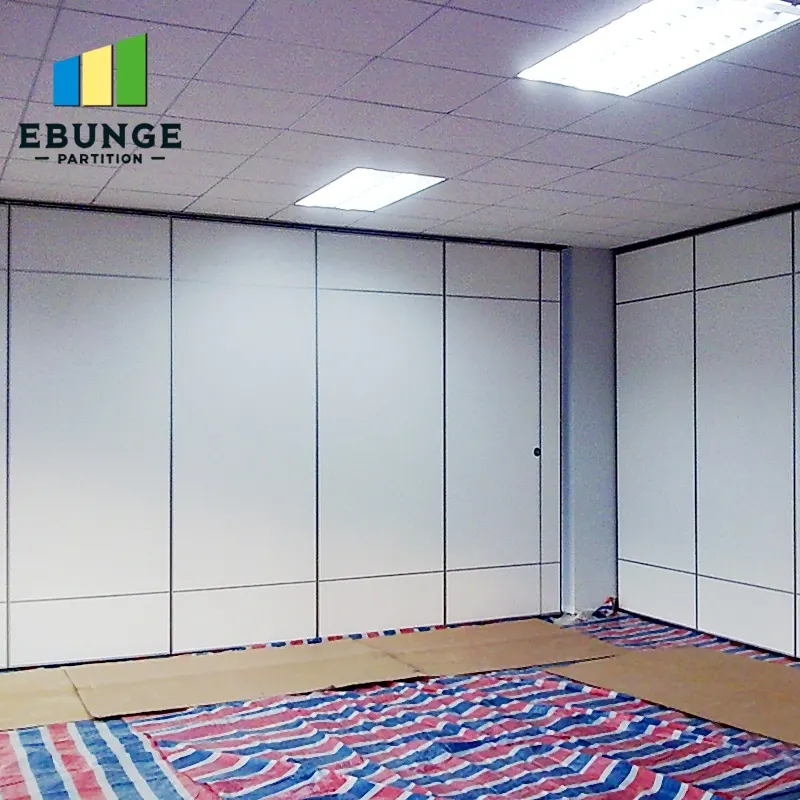
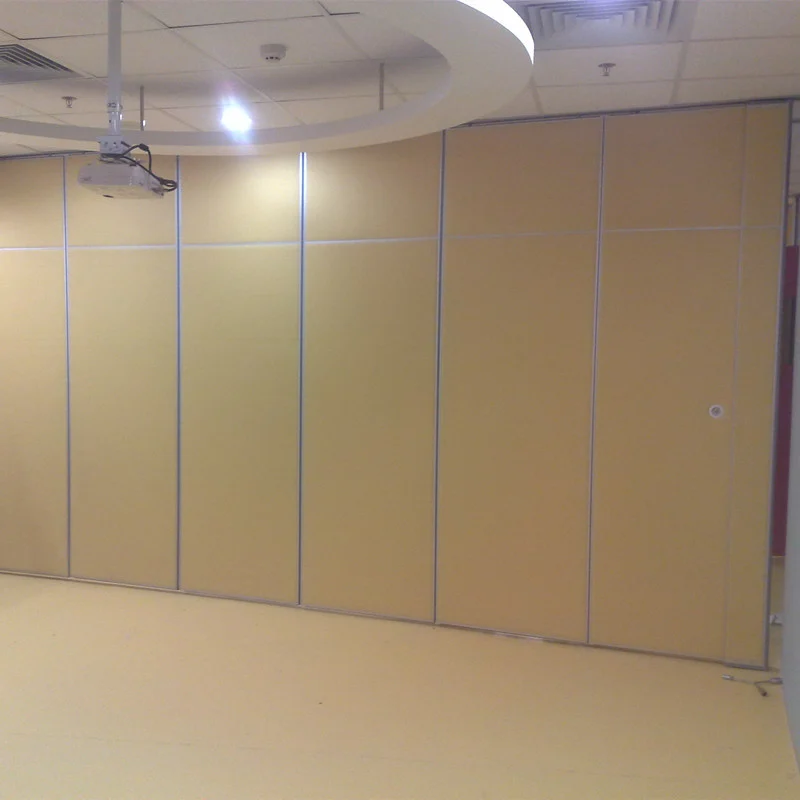
Where panels turn or stack, record the turning geometry and the planned stacking position. Parking style is customized to the customer layout and project requirements, and compact stacking may be possible when the coordinated design permits it. The log should mark this as an assumption to be confirmed against the final layout.
Record overhead support as a project-specific item
Checklist focus: partition interface assumption.
The exact route, junction arrangement, continuous overhead path and parking position must be confirmed from the coordinated project drawings. Instead, log the question: what support coordination is required at each track segment, and who will confirm it?
This is also where the log protects the tender. If a bidder assumes a support condition that the design team has not confirmed, the resulting price may not reflect the real scope. A clear assumption entry reduces that risk without inventing engineering conclusions.
Separate finish interfaces from performance expectations
Review focus: partition interface assumption.
Confirmed finish options include laminate, melamine, fabric, leather, glass and other approved surfaces. The log should record which finish is assumed for each elevation and whether that finish affects adjacent materials, reveals or junction details. It should not treat a finish as evidence of acoustic, fire, durability or cleaning performance.
Use a decision checklist to keep entries consistent
Each assumption should be short, specific and traceable to a drawing or a question.
- Interface location: where the partition meets structure, finish, service or another partition.
- Assumption: what the design team currently expects at that location.
- Status: confirmed, pending or open for project-specific review.
- Owner: the discipline or party responsible for closing the item.
- Tender impact: whether the item affects scope, sequencing or pricing.
Coordinate pass doors and access early
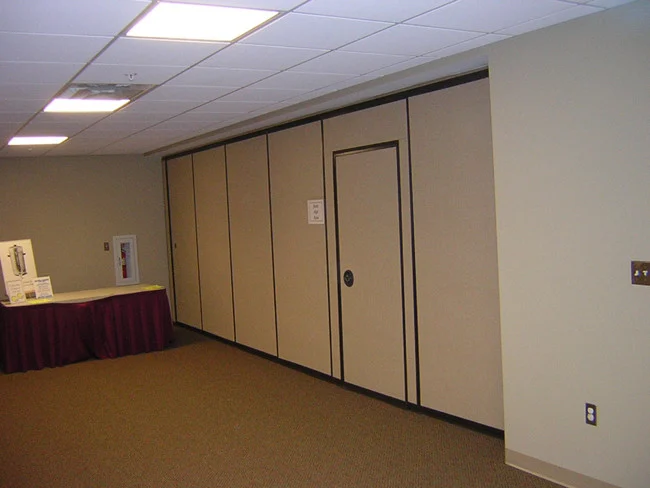
Pass-door requirements can be discussed as part of the partition layout, and the assumption log should record whether a pass door is expected, where it sits in the route and how it relates to the stacking position. Access assumptions are often left to the contractor, but recording them early helps the tender package reflect the intended operation.
The same applies to project documentation. If the design team expects shop drawings, layout reviews or interface schedules, the log should say so. This is a documentation assumption, not a performance claim.
Keep evidence limits visible in the log
An assumption log is only useful if it distinguishes what is known from what is not. Visible references can support layout discussion but do not verify hidden construction or performance. The log should state that boundary directly so that readers do not infer hidden performance from a shape, finish or photograph.
Evidence note: any statement about support, acoustics, dimensions or operation that is not confirmed for the project should remain an open assumption, not a specification claim.
Review the log before issuing tender documents
Before tender, review the log against the latest drawings and confirm that every open item has an owner. Remove assumptions that have been superseded. Keep the language neutral and avoid comparative or absolute statements unless matching evidence exists.
For product context, refer to the movable walls product page and the resources section for general planning information.
Frequently asked questions
What is an architect partition interface assumption log before tender?
It is a coordination record that lists the design team’s current assumptions about partition interfaces, including overhead routes, stacking positions, finish junctions and open items that require project-specific confirmation.
Does a movable partition need a floor track?
EBUNGE movable partition panels are top-hung and move without a continuous floor running track or floor hardware along the partition line.
Can the log include acoustic requirements?
It can note that an acoustic review is pending.
How should turning and stacking routes be recorded?
Record the turning geometry, the planned stacking position and whether the route is straight, turning or a combination. Parking style is customized to the customer layout and project requirements.
What finish information belongs in the log?
Record the assumed finish for each elevation. Confirmed options include laminate, melamine, fabric, leather, glass and other approved surfaces. Do not treat a finish as evidence of performance.
When should the log be updated?
Update it whenever drawings change, when a support or acoustic question is answered, or when a finish decision is made. The log should be reviewed again before tender documents are issued.
Conclusion and next step
A well-kept assumption log helps architects issue a clearer tender package without overstating what is known. It keeps top-hung route continuity, stacking positions, finish interfaces and documentation expectations visible, and it marks every item that still needs project-specific confirmation.
To discuss pass-door requirements, project documentation or layout coordination, contact the EBUNGE team and share your drawings for review.