
Quick answer: architect partition interface query single reviewer routing
Review focus: architect partition interface query single reviewer routing.
When a project includes movable walls, interface questions rarely arrive from one direction. The suitability of each route and parking arrangement depends on the approved layout, circulation, ceiling interfaces and operating sequence. Without a routing rule, the same question can be answered twice in different ways. A practical approach is architect partition interface query single reviewer routing: one named reviewer receives, logs and responds to partition interface queries before they are distributed as decisions.
This article sets out an evidence-bounded workflow. It does not replace project-specific engineering, acoustic or dimensional review. It helps teams decide who answers what, which questions need drawings, and where a query should stop until confirmed information is available.
Why a Single Reviewer Reduces Interface Risk
Project review term: architect partition interface query single reviewer routing.
Movable partition panels are individually movable, suspended from a top track, cross the opening without a floor track, and park at a planned stacking position. Those maintained facts already create several interfaces: the overhead route, the opening, the parking zone and the adjacent finishes. Each interface can generate queries from different disciplines.
A single reviewer does not need to answer every technical question personally. The role is to route each query to the right evidence holder, keep a consistent answer record, and prevent unverified assumptions from becoming instructions. This is especially important when straight, turning and stacking routes are reviewed from the layout, because a change in one route can affect several trades.
What the reviewer controls
- Query intake and a unique reference for each question.
- Checking whether the query relates to layout, support, finish, acoustic concept or documentation.
- Confirming which drawing or project requirement the answer depends on.
- Returning answers with a clear boundary: confirmed, pending or project-specific confirmation required.
What the reviewer does not do
Those matters require matching evidence and project-specific review.
Classify Queries Before They Reach the Supplier
Coordination scope: architect partition interface query single reviewer routing.
Most delay comes from mixed questions. A query that asks about finish, acoustic concept and support in one message is difficult to answer cleanly. Classifying queries first helps the single reviewer route them without losing context.
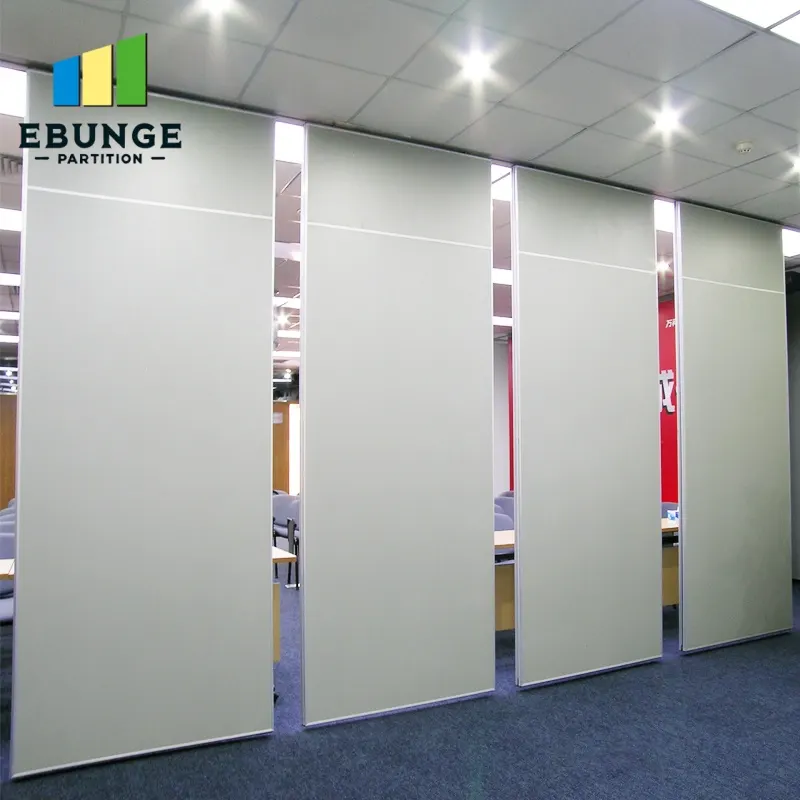
| Query type | Typical trigger | Reviewer action |
|---|---|---|
| Layout and route | Straight, turning or stacking route changes | Request the current layout and confirm the proposed movement path |
| Overhead support | Structure or ceiling coordination | Route to the responsible structural reviewer; do not infer support points |
| Finish and appearance | Laminate, melamine, fabric, leather, glass or other approved surface | Confirm the approved finish option and request a sample review where needed |
| Acoustic concept | STC or Rw mentioned in conversation | Explain the concept generically and request project-specific acoustic confirmation |
| Documentation | Pass-door requirements, drawings or submittals | Collect the requirement and discuss project documentation through the agreed channel |
Visible references can support layout discussion but do not verify hidden construction or performance.
A Numbered Routing Process for Project Teams
Checklist focus: architect partition interface query single reviewer routing.
- Name the reviewer. Record one person or role as the partition interface reviewer for the project.
- Open a query log. Capture date, originator, discipline, drawing reference and the exact question.
- Classify the query. Use the categories above so the question reaches the right evidence holder.
- Check the current layout. Confirm whether the query affects a straight, turning or stacking route.
- Request missing information. Ask for the drawing, finish reference or project requirement needed to answer.
- Return a bounded answer. State what is confirmed, what is pending and what requires project-specific confirmation.
- Close the loop. Notify all affected disciplines once, from the same answer record.
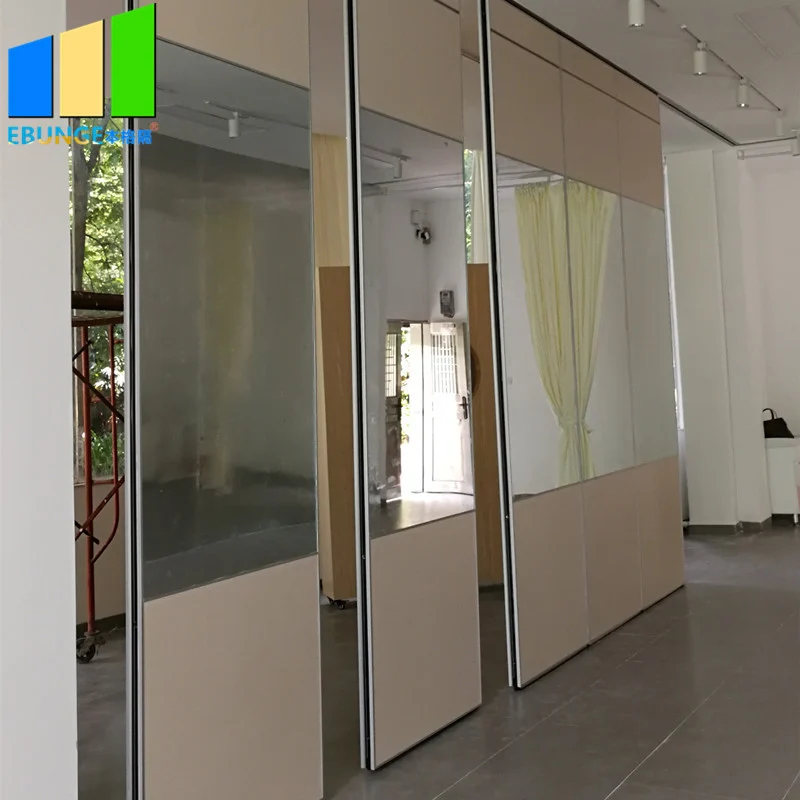
This process keeps the architect partition interface query single reviewer routing model visible without turning the reviewer into a bottleneck. The reviewer coordinates evidence; the project team still owns design decisions.
Evidence Boundaries Every Reviewer Should State
Clear boundaries protect the project and the supplier relationship. A useful answer distinguishes maintained product facts from project-specific requirements.
Those matters require matching project evidence and confirmation.
For movable walls, the maintained facts are limited but useful: panels are individually movable, top-hung, move without a continuous floor running track along the partition line, and park at a planned stacking position. Parking style is customized to the customer layout and project requirements and may support compact stacking when the coordinated design permits it. Every proposed movement path requires a continuous connected overhead route and project-specific support review.
Questions that should pause for evidence
- Any request to treat a finish sample as proof of cleaning or durability performance.
- Any request for a delivery, cost or commercial commitment without project documentation.
Documentation and Pass-Door Coordination
Pass-door requirements and project documentation can be discussed with the supplier, but they should be routed through the same reviewer.
When a query involves a pass door, the reviewer should confirm the opening location, the adjacent panel route and the documentation stage. If the information is incomplete, the answer should say so rather than filling the gap with an assumption. The same discipline applies to finish approvals: laminate, melamine, fabric, leather, glass and other approved surfaces may be available, but the approved option for the project must be confirmed against the specification.
Keeping the Reviewer Effective Across Disciplines
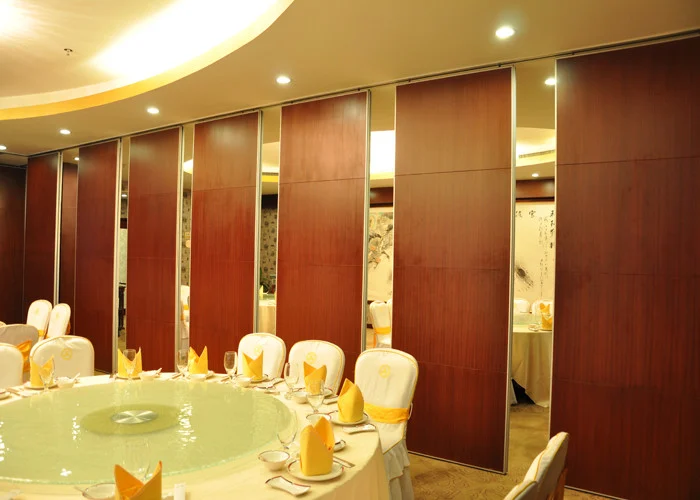
Contractors, interior designers, owners and renovation teams should know where to send partition interface queries and what information to include.
A short intake standard helps: current drawing reference, affected room or area, query category, required decision date and any previous answer. With that information, the reviewer can route the query once and return a traceable response. The goal is not to centralize all knowledge, but to keep partition interface decisions consistent, evidence-bounded and easy to audit.
Frequently Asked Questions
What is architect partition interface query single reviewer routing?
It is a coordination method where one named reviewer receives, classifies and routes movable partition interface queries, then returns a consistent answer record to the project team.
Does a single reviewer replace the structural or acoustic engineer?
No. The reviewer coordinates queries and evidence.
Which partition facts can the reviewer rely on?
Maintained facts include individually movable panels, top-hung suspension from a top track, movement across the opening without a floor track, and parking at a planned stacking position. Other claims require project-specific evidence.
How should acoustic questions be handled?
Ask for project-specific acoustic confirmation rather than inferring performance from a finish or drawing.
When should a query be paused?
Request the missing drawing or requirement first.
Can pass-door requirements be discussed?
Yes. Pass-door requirements and project documentation can be discussed through the agreed reviewer channel, using the current layout and specification.
Conclusion and Contact
A single reviewer gives architects a clear route for partition interface queries without pretending that every answer is already known. Classify the question, check the layout, request the missing evidence and return a bounded answer. That habit keeps coordination traceable and protects the project from assumptions.
To review movable wall options, project documentation or pass-door requirements, visit the movable walls product page, explore the resources library, or contact EBUNGE to discuss your project-specific support, acoustic and dimensional requirements.