
Quick answer: track fixing crew learning curve
Review focus: track fixing crew learning curve.
Track fixing crew learning curve planning is the part of installation coordination that contractors often leave until the first panel arrives on site. On a top-hung movable partition system, the panels are individually movable, suspended from a top track, cross the opening without a floor track, and park at a planned stacking position. That sequence means the crew’s early learning is concentrated on the overhead route, not on the floor. Planning that curve means deciding what the crew must understand before fixing begins, what must be confirmed from project drawings, and what remains a project-specific question for the design team.
Why the Learning Curve Starts at the Drawing Stage
Project review term: track fixing crew learning curve.
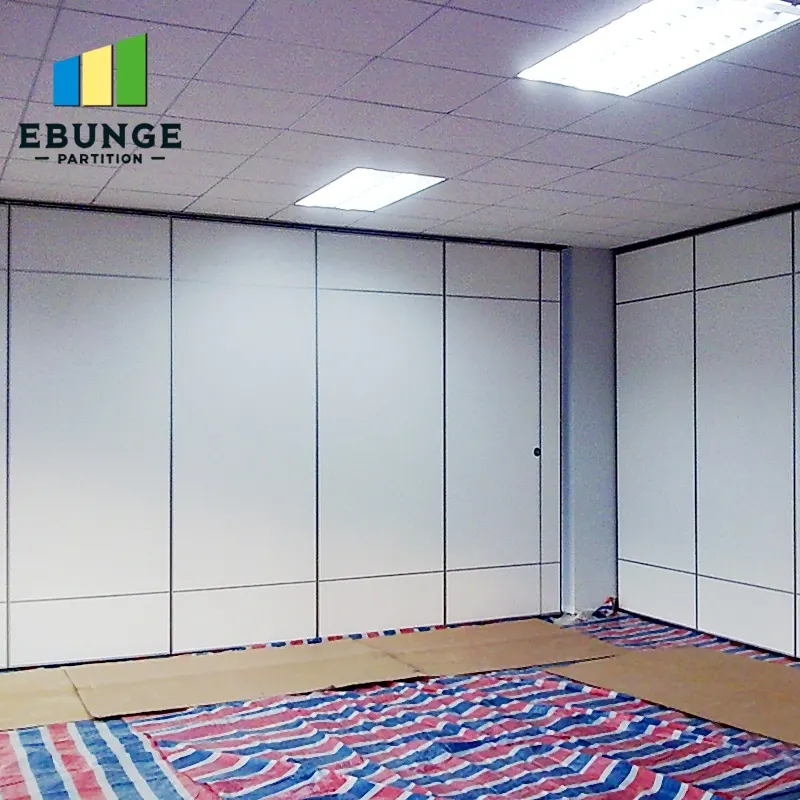
The suitability of each route and parking arrangement depends on the approved layout, circulation, ceiling interfaces and operating sequence. Straight, turning and stacking routes are reviewed from the layout, so the first learning milestone is reading that layout correctly. Crews need to know where the route runs, where it turns, where panels park, and where the opening must remain clear.
This is also where evidence limits matter. Visible references can support layout discussion but do not verify hidden construction or performance. Those items require project-specific confirmation. Treat the drawing review as a question-generating exercise rather than a sign-off.
Evidence note: visible layout lines, finish samples and photographs do not demonstrate load capacity, acoustic performance or application reference results. Confirm these separately with the responsible project parties.
A Four-Stage Learning Sequence for the Crew
Coordination scope: track fixing crew learning curve.
Rather than assuming experience transfers automatically, break the curve into stages the site team can verify. Each stage has a different evidence source and a different confirmation owner.
- Orientation: the crew reads the approved layout and identifies straight, turning and stacking routes.
- The exact route, junction arrangement, continuous overhead path and parking position must be confirmed from the coordinated project drawings.
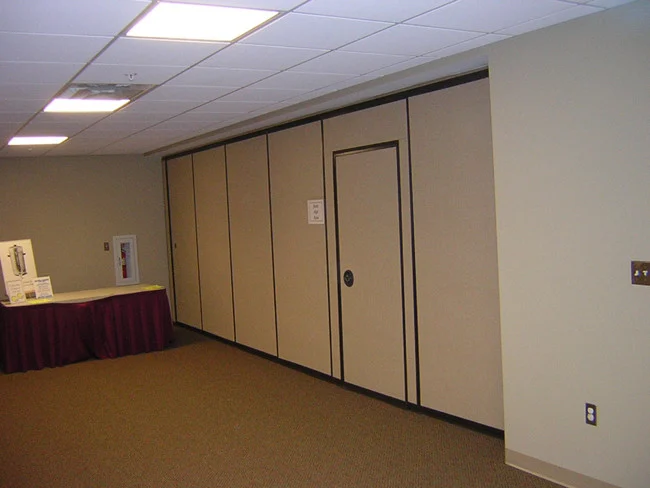
- Finish and handling briefing: the crew reviews the confirmed finish options relevant to the project, such as laminate, melamine, fabric, leather, glass or other approved surfaces.
- Pre-fixing review: open questions on support, dimensions and interfaces are closed or escalated before fixing work starts.
Stages one and two build spatial understanding. Stages three and four build handling discipline and coordination habits. None of them should be treated as a substitute for project-specific engineering review.
What the Crew Must Confirm Before Fixing
Checklist focus: track fixing crew learning curve.
Contractor installation planning coordination improves when the pre-fixing checklist is short and unambiguous. The crew should not begin until the items below have a named owner and a documented answer.
- Is the overhead route continuous and connected across every proposed movement path?
- Has the support condition been reviewed for the specific project by the responsible party?
- Are turning and stacking positions coordinated with the room layout and adjacent trades?
- Are pass-door requirements identified and discussed where the project needs them?
- Are the confirmed finishes and their handling expectations understood by the crew?
- Is the project documentation set complete enough for the crew to work from?
If any answer is missing, the correct action is to pause and escalate, not to infer a value from a drawing or a sample.
Coordinating the Curve Across Trades
Review focus: track fixing crew learning curve.
Track fixing rarely happens in isolation. Ceiling, lighting, sprinkler, HVAC and partition works all compete for the same overhead zone. A crew that learns the route early can flag clashes before they become rework.
Schedule the route walk-through before ceiling closure where the project sequence allows it. Invite the trades that share the overhead zone. The goal is not to resolve every interface in one meeting, but to surface the questions while they are still cheap to answer.
For product context on how top-hung systems are configured, see the movable walls product page. For general planning material, the resources section collects buyer-facing guidance.
Common Planning Mistakes and How to Avoid Them
Most learning-curve problems are coordination problems wearing a technical costume. The table below pairs frequent mistakes with a practical correction.
| Mistake | Why it hurts | Correction |
|---|---|---|
| Briefing the crew only on the day of fixing | No time to absorb the route or raise questions | Run orientation and route walk-through earlier |
| Treating the drawing as proof of support | Unverified assumptions reach the fixing stage | Confirm support requirements with the responsible party |
| Ignoring turning and stacking positions | Panels cannot park as intended | Review all routes from the layout before fixing |
| Assuming finish handling is obvious | Damage or rework during movement | Brief the crew on the confirmed finishes in use |
How to Measure Progress Without Inventing Numbers
Contractors often want a simple metric for crew readiness. Panel handling and the operating sequence must be confirmed for the selected layout and project conditions. A crew that has completed orientation, route walk-through, finish briefing and pre-fixing review is ready to begin, provided open questions are closed.
Documentation and Handover Discipline
Good documentation shortens the next crew’s curve. Record what was reviewed, what was confirmed, what was escalated and what remains open. Keep the approved layout version visible so later trades do not work from superseded drawings.
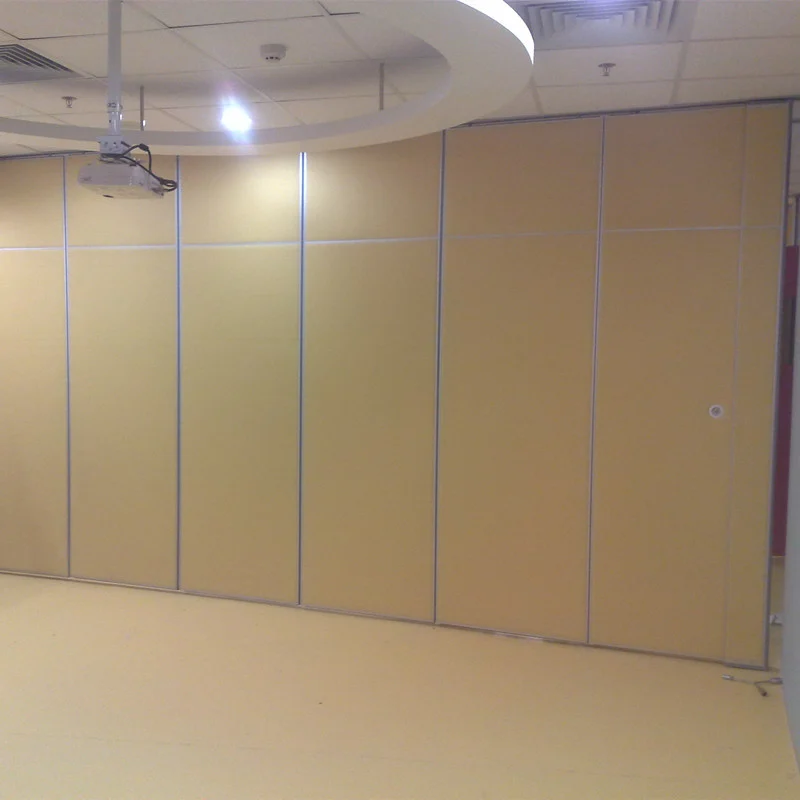
Where the project includes pass-door requirements, confirm them during planning rather than after the route is fixed. Project documentation can be discussed with the supplier so the site team works from a consistent set.
Frequently Asked Questions
What is track fixing crew learning curve planning?
It is the coordination work that prepares an installation crew to understand the overhead route, the parking positions and the project-specific confirmations before fixing begins. It is a planning activity, not a performance guarantee.
Does every crew need the same amount of preparation?
No. Preparation depends on the project layout, the number of turns and stacking positions, the finishes involved and the crew’s familiarity with top-hung systems. Confirm the appropriate level for each project.
Can the crew rely on the drawing for support requirements?
No. Drawings show layout intent. The exact overhead route and support arrangement must be confirmed by the responsible project team from coordinated drawings.
When should the route walk-through happen?
Before ceiling closure where the project sequence allows, and before fixing work starts. This gives the crew and adjacent trades time to raise interface questions.
How should acoustic expectations be described?
Conceptually. Project acoustic requirements need their own confirmation.
What should be documented before handover?
The reviewed layout version, confirmed items, escalated questions and any open items. This helps the next phase or crew avoid repeating the same learning cycle.
Conclusion: Plan the Curve, Confirm the Details
Orient the crew early, walk the route, brief the finishes, close open questions and document the outcome. Keep every performance, support and dimensional statement tied to project-specific confirmation rather than assumption.
To discuss your project’s layout, pass-door requirements and documentation needs, contact the EBUNGE team and share your drawings for review.