
Quick project answer
Review focus: track zone handover file.
When a movable wall system is handed over, the track zone is rarely the most visible element. Yet it is where coordination gaps most often surface. A track zone handover file interface sign-off evidence package should let a reviewer trace what was agreed, what was installed, and what remains open. It is not a performance certificate. It is a coordination record. The exact overhead route and support arrangement must be confirmed by the responsible project team from coordinated drawings.
Why the Track Zone Deserves Its Own Handover Logic
Project review term: track zone handover file.
Movable partition panels are individually movable, suspended from a top track, and cross the opening without a floor track. That single fact changes the handover conversation. The track zone is not just a fixing line; it is the route the panels follow, the place they park, and the interface between structure, finish, and adjacent trades.
A general handover file may cover the partition system as a whole. A track zone file narrows the focus to the overhead route, the stacking position, and the interfaces that affect both. Without that focus, sign-offs can become a checklist of attendance rather than a record of coordinated decisions.
What the file is not
The suitability of each route and parking arrangement depends on the approved layout, circulation, ceiling interfaces and operating sequence. Those conclusions require separate, project-specific evidence. The handover file records what was reviewed and agreed; it does not replace engineering or acoustic verification.
The Evidence Chain: From Drawing to Sign-Off
Coordination scope: track zone handover file.
Each link should point to a document, a drawing, or a recorded decision. If a link is missing, the sign-off should say so rather than imply completion.
- Layout drawing: Shows the straight, turning, and stacking routes reviewed for the project.
- Interface schedule: Lists the adjacent elements the track zone touches, such as structure, ceiling, or finish transitions.
- Coordination notes: Records who reviewed what and when, including open items.
- Sign-off sheet: States the scope of the sign-off and any exclusions.
- Revision log: Tracks changes after the initial review so later readers see the current position.
This chain does not require every project to use the same forms. It requires that the forms used can be traced. A sign-off without a revision log is difficult to defend when the layout changes later.
What Interface Sign-Offs Must Actually Prove
Checklist focus: track zone handover file.
An interface sign-off is a statement that a defined interface has been reviewed against a defined scope. It should prove three things: that the interface was identified, that the relevant parties reviewed it, and that any unresolved items are recorded.

It should not prove that the interface will perform in a way that has not been verified. For example, a sign-off on a ceiling interface does not confirm acoustic separation between rooms. It confirms that the interface was coordinated.
Evidence note: reading a sign-off correctly
Treat every sign-off as a scope statement. Ask: what was reviewed, against which drawing revision, and what was excluded? If the answer is unclear, the sign-off is not yet useful for handover.
Common Gaps That Weaken Track Zone Handover Files
Most weak handover files fail for predictable reasons. They are not usually missing signatures; they are missing context.
- Unversioned drawings: The sign-off references a layout that no longer matches the current revision.
- Undefined scope: The sign-off says “track zone approved” without stating what was reviewed.
- Missing interface list: Adjacent elements are implied rather than named.
- No parking position record: The stacking position is discussed but not documented.
- Pass-door assumptions: Pass-door requirements are mentioned in conversation but not captured in the file.
Each gap is fixable.
How to Structure a Sign-Off Without Overclaiming
Good sign-off structure separates what is known from what is assumed. It also separates product facts from project decisions.
| Sign-off element | What it can record | What it cannot prove |
|---|---|---|
| Track route review | Straight, turning, and stacking routes were reviewed from the layout | Structural capacity or load performance |
| Finish coordination | Finish options such as laminate, melamine, fabric, leather, or glass were discussed | Cleaning compatibility or durability |
| Parking position | A planned stacking position was identified | That the position suits every future layout |
| Pass-door discussion | Pass-door requirements were raised for project review | That a specific pass-door design is approved |
This table is a coordination tool, not a compliance matrix. It helps teams avoid turning a review note into a performance claim.
Coordinating Across Trades and Disciplines
Track zone interfaces often sit between trades. A handover file should show how those parts were brought together.
The owner does not need to resolve every technical question. The owner needs to ensure that open questions are visible and assigned.
Questions to ask before closing the file
- Does every sign-off reference a specific drawing revision?
- Are all adjacent interfaces named, or are some still implied?
- Is the parking position documented, or only discussed?
- Are pass-door requirements recorded as open, resolved, or not applicable?
- Does the revision log show what changed after the first review?
If any answer is unclear, the file is not ready to close. That is not a failure; it is a signal to keep coordinating.
What Must Stay Project-Specific
Some questions cannot be answered generically. Support requirements, acoustic requirements, and dimensional requirements depend on the project. A handover file should direct readers to the project-specific confirmation rather than imply a universal answer.
For example, a track zone handover file interface sign-off evidence package may note that a route was reviewed, but it should not state that the route is suitable for every future reconfiguration. Suitability depends on the layout, the structure, and the project requirements. Those must be confirmed for the project.
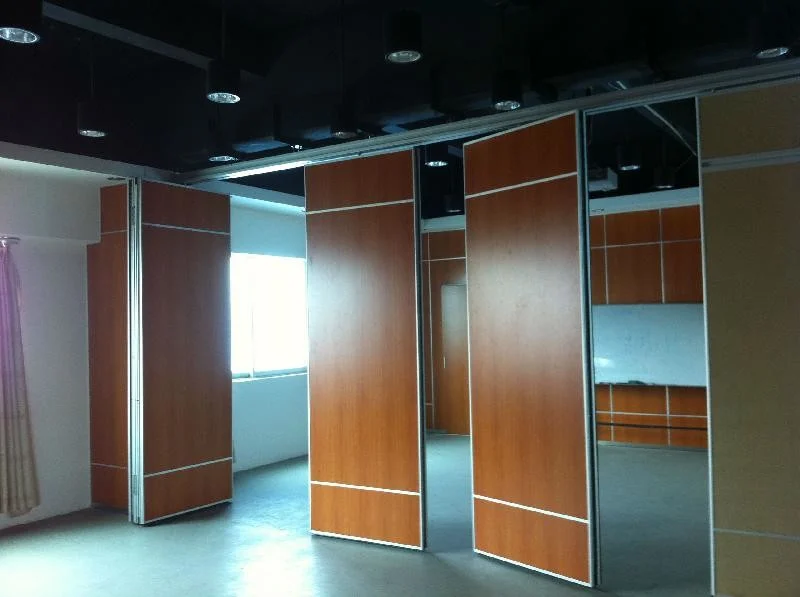
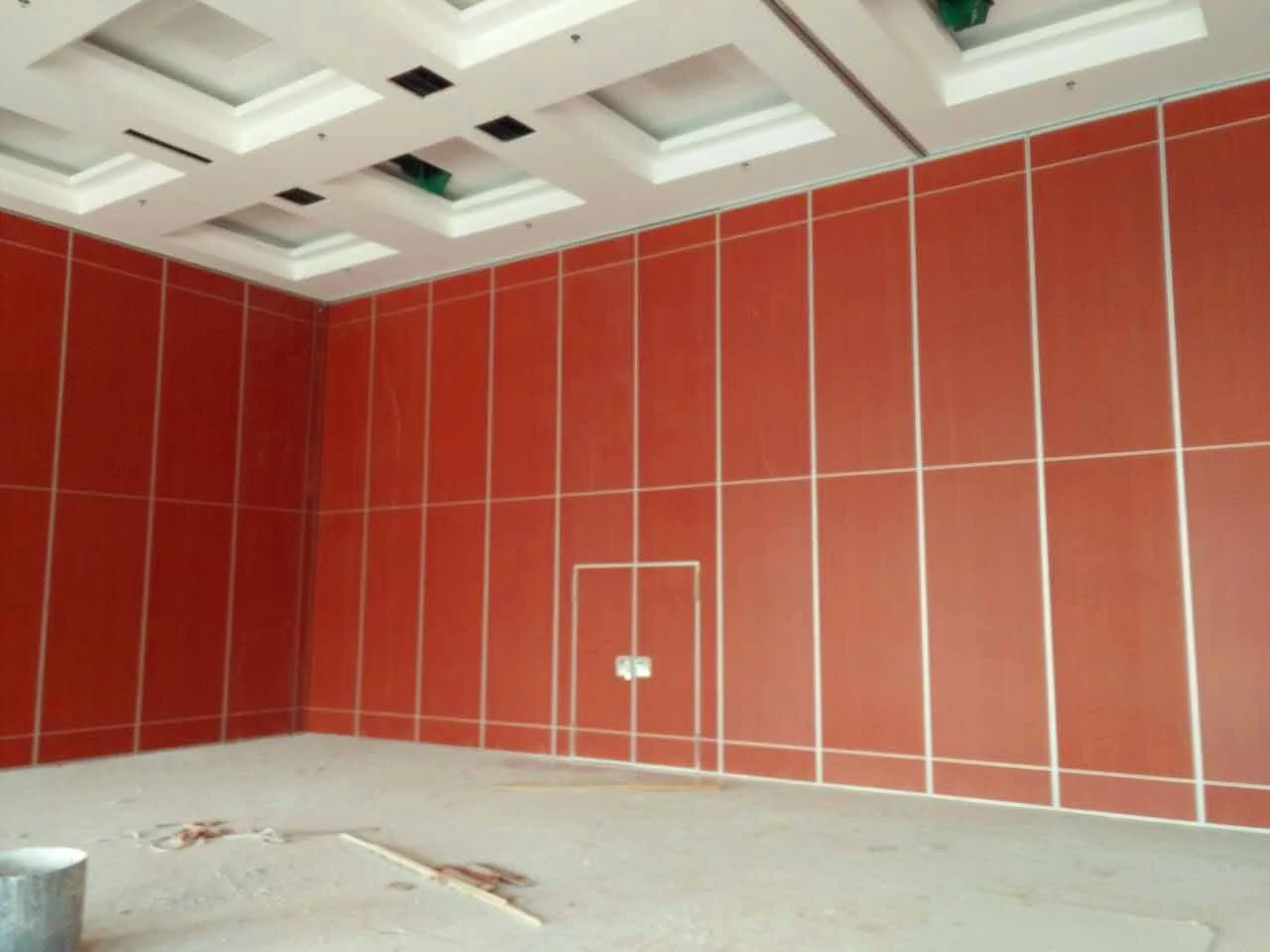
Similarly, finish options such as laminate, melamine, fabric, leather, and glass are confirmed options, but their suitability for a given environment is a project decision. Visible references can support layout discussion but do not verify hidden construction or performance.
FAQ: Track Zone Handover and Interface Sign-Offs
What is a track zone handover file?
It is a project record focused on the overhead track zone, the routes the panels follow, and the interfaces that affect them. It typically includes layout references, interface schedules, coordination notes, and sign-off sheets.
Does a sign-off prove acoustic performance?
No. A sign-off records that an interface was reviewed.
Can the handover file confirm structural support?
No. The handover file can record that a support review was requested or completed, but it does not replace that review.
How should pass-door requirements be recorded?
Pass-door requirements and project documentation can be discussed with the supplier. In the handover file, record whether the requirement is open, resolved, or not applicable, and reference the relevant drawing or note.
What if the layout changes after sign-off?
The revision log should capture the change. A sign-off tied to an earlier revision remains valid only for that revision. Later changes require their own review and sign-off.
Who should own the track zone handover file?
Ownership depends on the project structure. What matters is that one party maintains the file, that contributors review their sections, and that open items remain visible until closed.
Conclusion: A File That Proves Coordination, Not Performance
A track zone handover file is strongest when it proves coordination. It should show what was reviewed, which revision was used, and what remains open. It should not claim performance that has not been verified for the project.
For teams planning a movable wall installation, the practical next step is to agree the file structure early, keep drawings versioned, and treat every sign-off as a scoped statement. Confirm project-specific support, acoustic, and dimensional requirements with the relevant parties before closing the file.
To discuss project documentation, pass-door requirements, or layout review for your next flexible-space project, contact EBUNGE. You can also review movable wall products and browse resources for further planning context.