
Quick answer: score track fixing preliminaries
Review focus: score track fixing preliminaries.
When bidders return a single lump sum for track fixing preliminaries, the number alone tells you very little. To score track fixing preliminaries lump sum bid comparison fairly, treat each bid as a set of assumptions about the overhead route, the supporting structure and the information available at tender stage. Your job is to test those assumptions against the drawings, not to reward the lowest figure or the longest narrative.
This guide sets out a scoring approach you can apply to movable partition packages in hotels, schools, offices, training centres and similar flexible spaces. Venue names are examples only. Every project still needs its own support, acoustic and dimensional confirmation.
Why Lump Sum Preliminaries Resist Simple Comparison
Project review term: score track fixing preliminaries.
Preliminaries cover the work that surrounds the physical installation: survey, setting out, coordination, protection, access arrangements and the documentation that proves the route works. When these items are bundled into one price, bidders may include different amounts of investigation and different levels of design responsibility.
The suitability of each route and parking arrangement depends on the approved layout, circulation, ceiling interfaces and operating sequence. A high lump sum can reflect genuine complexity, or padding. Scoring must separate scope from price so the evaluation team can see which bid actually covers the project.
What the Product Facts Actually Support
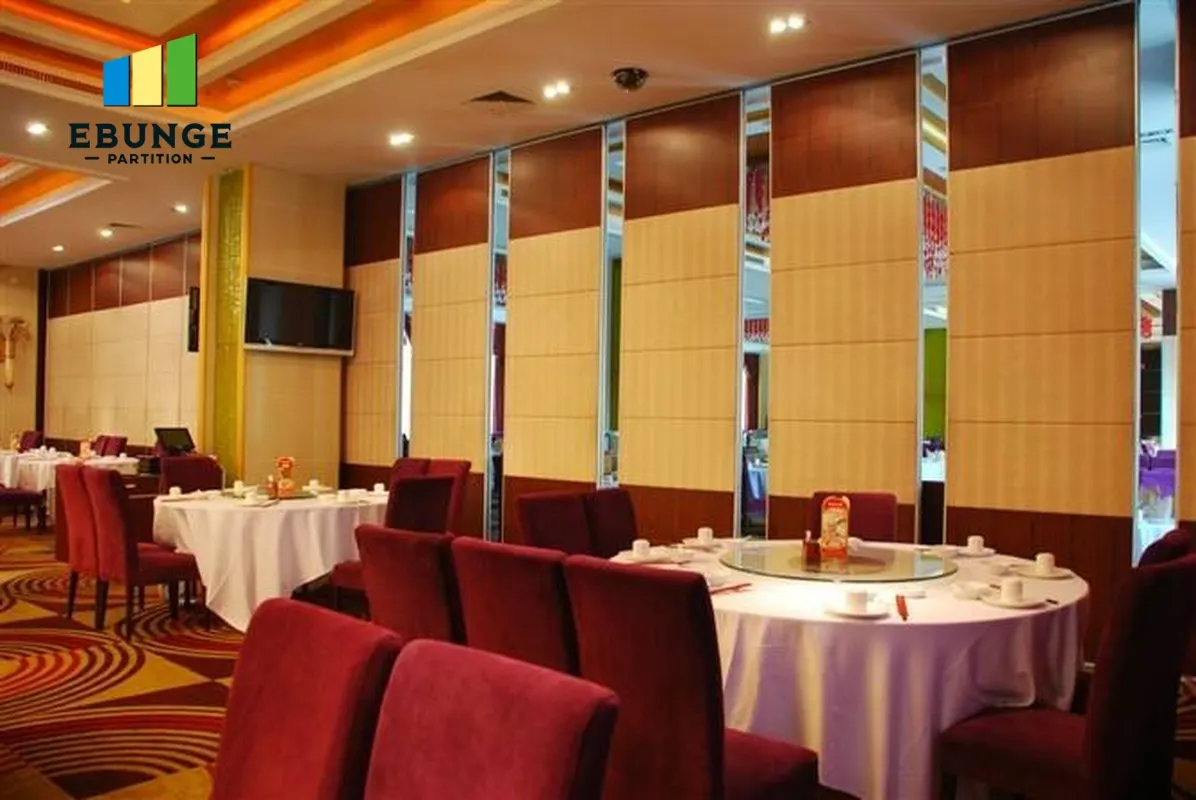
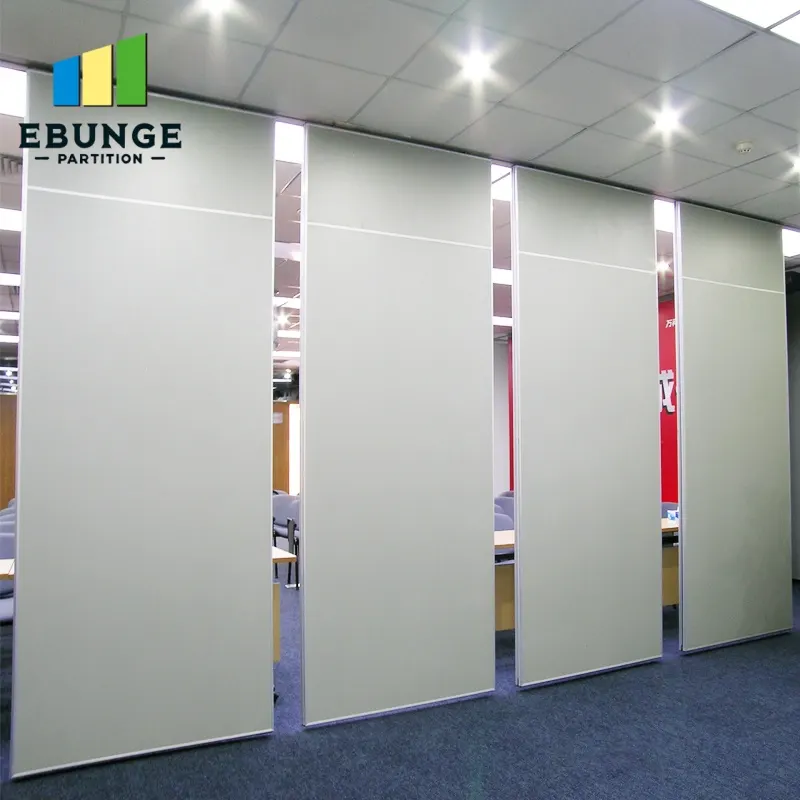
EBUNGE movable wall panels are individually movable, suspended from a top track, and cross the opening without a floor track. They park at a planned stacking position. Straight, turning and stacking routes are reviewed from the layout, and a continuous connected overhead route is required for any proposed movement path.
Confirmed finish options include laminate, melamine, fabric, leather, glass and other approved surfaces. Pass-door requirements and project documentation can be discussed. Nothing beyond these points should be assumed from a bid document.
A Six-Step Scoring Process for Evaluation Teams
Coordination scope: score track fixing preliminaries.
Use the same sequence for every bidder so the comparison stays defensible. The steps below focus on what can be evidenced at tender stage.
- Map the scope. List every preliminary item the contract expects, then mark which ones each bidder has priced, excluded or left silent.
- Check the route logic. Confirm the bidder has reviewed straight, turning and stacking routes against the layout rather than assuming a single straight run.
- Test the support question.
- Review the parking position. Confirm the proposed stacking location is coordinated with the room layout and does not conflict with other trades.
- Compare documentation. Score the clarity of drawings, schedules and clarifications the bidder intends to produce.
- Normalise the price. Adjust each lump sum for scope differences before ranking, and record every adjustment.
Building a Weighted Scorecard
Checklist focus: score track fixing preliminaries.
A simple weighted model keeps the discussion focused on evidence. The exact overhead route and support arrangement must be confirmed by the responsible project team from coordinated drawings.
| Criterion | What to Look For | Illustrative Weight |
|---|---|---|
| Scope completeness | All preliminary items addressed, with exclusions stated | 25% |
| Route and layout review | Evidence that straight, turning and stacking routes were considered | 20% |
| Support coordination | Clear requests for structural information or stated assumptions | 20% |
| Documentation quality | Drawings, schedules and clarification responses | 15% |
| Price normalisation | Adjusted lump sum after scope alignment | 20% |
Score each criterion from the bid text and attachments only. If a bidder claims a benefit without a supporting document, record it as unverified rather than awarding points.
Evidence Notes: What You Can and Cannot Infer
Review focus: score track fixing preliminaries.
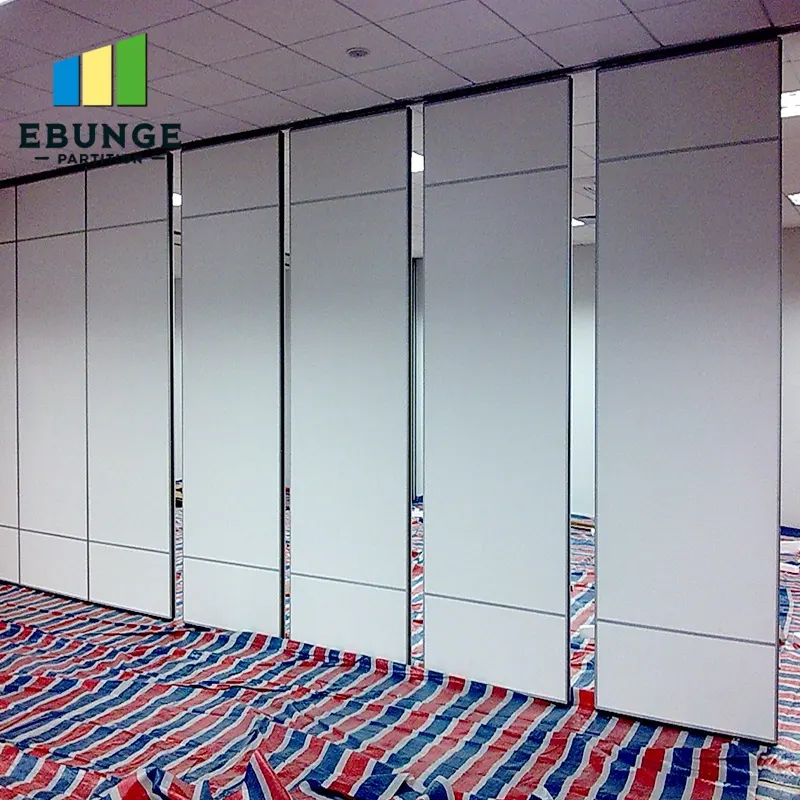
Evidence note: A drawing shows geometry, not performance. Visible references can support layout discussion but do not verify hidden construction or performance. Comparative and absolute statements require matching evidence; otherwise state the exact project-specific confirmation boundary.
Where acoustic separation matters, ask for project-specific confirmation rather than extrapolating from a label.
Questions to Put to Every Bidder
- Which preliminary items are included, and which are excluded?
- What information do you still need about the overhead route and supporting structure?
- How have you checked the straight, turning and stacking routes against the layout?
- Where will panels park, and how was that position coordinated?
- What documentation will you issue before installation begins?
Normalising Prices Without Inventing Costs
Project review term: score track fixing preliminaries.
Price normalisation means adjusting each lump sum so it covers the same scope. Add missing items at rates the bidder has already provided, or carry the item as a stated allowance pending clarification. Do not invent market rates to fill gaps.
Where a bidder has excluded survey, protection or coordination, note the exclusion and ask for a revised price. Where a bidder has included work outside the contract scope, remove it consistently across all bids. The goal is a like-for-like comparison, not a prediction of final cost.
Red Flags in Preliminary Pricing
- A lump sum with no breakdown or stated assumptions.
- No reference to the overhead route or parking position.
- Documentation described only in general terms.
- Clarification responses that repeat the original bid without adding detail.
Coordinating Procurement and Tender Review
Circulate the scorecard before bids arrive so everyone scores the same criteria.
Keep a clarification log. Record what was asked, what was answered and what remains open. This log becomes the basis for the post-tender report and helps avoid disputes later.
For background on flexible space planning, see the EBUNGE resources. For product context, review the movable walls range.
Frequently Asked Questions
Can a lump sum be scored without a breakdown?
Yes, but the score should reflect the missing detail. Award points for scope completeness only where the bid text or attachments show what is included. Otherwise record the item as unverified and seek clarification.
How should I treat a bidder who assumes a supporting structure?
Treat the assumption as an open risk. Ask the bidder to confirm what information they need and how the assumption will be verified before installation. Do not award full marks for an unverified assumption.
Does a floor track affect preliminary scoring?
EBUNGE panels are top-hung and cross the opening without a floor track, so the preliminary review focuses on the overhead route and parking position. Confirm the specific configuration for your project.
Can I compare acoustic figures between bids?
Only where the same rating system and test context are stated. Ask for project-specific acoustic confirmation rather than comparing isolated labels.
What documentation should accompany a track fixing bid?
Expect drawings, schedules and clarification responses that show how the route, parking position and coordination items were reviewed. The exact document set depends on your contract and should be confirmed for the project.
When should the scorecard be finalised?
Finalise criteria and weights before bids are opened, and apply them consistently. Any change after opening should be documented and justified under your procurement rules.
Conclusion
Scoring track fixing preliminaries in a lump sum tender is really a test of evidence. Build a weighted scorecard, normalise scope before comparing price, and record every assumption that remains open. Confirm project-specific support, acoustic and dimensional requirements with the responsible parties before award.
To discuss pass-door requirements, documentation or a specific layout, contact the EBUNGE team.