
Quick project answer
When you weight bidder track fixing preliminaries tender scoring, you are deciding how much credit a bidder receives for the overhead support, route continuity and coordination work that makes a movable partition operable. The panels themselves are only part of the system. EBUNGE movable wall panels are individually movable, suspended from a top track, cross the opening without a floor track, and park at a planned stacking position. That operating concept means the track fixing preliminaries deserve a visible, evidence-based score rather than a generic pass or fail.
This article gives procurement teams a defensible way to weight those preliminaries. The suitability of each route and parking arrangement depends on the approved layout, circulation, ceiling interfaces and operating sequence. Every project still needs its own support, acoustic and dimensional confirmation before tender scores are finalised.
Why Track Fixing Preliminaries Are Easy to Underweight
Track fixing preliminaries often sit between disciplines. If the tender scoring model treats track fixing as a minor installation note, bidders may submit thin preliminaries and leave the real coordination to post-award meetings.
That outcome is avoidable. The exact route, junction arrangement, continuous overhead path and parking position must be confirmed from the coordinated project drawings. It also gives evaluators a consistent place to compare what each bidder has actually documented.
What the preliminaries normally cover
In broad terms, track fixing preliminaries describe how the suspended route will be supported, how straight, turning and stacking routes will be reviewed from the layout, and how the interface with the building structure will be coordinated. They may also cover pass-door requirements and project documentation. These are coordination topics, not performance promises. Confirm the exact scope with the project team.
A Weighting Framework for Evaluators
Use a simple split between evidence quality and coordination completeness. The table below is a scoring aid, not a mandatory formula. Adjust the weights to match your procurement rules and the complexity of the opening.

| Scoring dimension | What to look for | Suggested weight band |
|---|---|---|
| Drawing and route evidence | Marked straight, turning and stacking routes reviewed from the layout | High |
| Support interface description | Clear statement of how the overhead support will be coordinated with the structure | High |
| Parking and stacking logic | Planned stacking position consistent with the room layout | Medium |
| Documentation and pass-door notes | Project documentation and pass-door requirements discussed | Medium |
| Finish and surface coordination | Confirmed finish options such as laminate, melamine, fabric, leather or glass | Low to medium |
Keep the bands qualitative. A high weight means the criterion matters more in comparison, not that a bidder has passed a technical test. The evaluator still needs the bidder’s own drawings and statements to justify the score.
Evidence You Can Score Without Inventing Performance
Scoring should reward visible, checkable information. You can assess whether a bidder has shown a continuous connected overhead route, whether the parking position is described, and whether the layout review covers straight and turning movements. Visible references can support layout discussion but do not verify hidden construction or performance.
Evidence note for evaluators
Score what the bid documents actually show. Do not convert a finish sample, a route sketch or a generic product description into a claim about acoustic performance, structural capacity or application reference outcomes. Those require separate project-specific confirmation.
The relevant target for your project must be confirmed against the project’s own acoustic requirements.
Numbered Review Process for Tender Teams

- Issue a consistent preliminaries schedule with the tender so every bidder answers the same questions.
- Ask bidders to mark the proposed route, including straight, turning and stacking sections, on the project layout.
- Check that the planned stacking position does not conflict with doors, services or circulation shown on the layout.
- Confirm whether pass-door requirements and project documentation are included in the bid scope.
- Score each response against the published weights and record the evidence used for each score.
- Flag unresolved support, acoustic or dimensional items for clarification before award.
This process keeps the evaluation comparable. It also prevents a polished panel description from masking a weak track fixing preliminaries submission.
Common Scoring Mistakes and How to Avoid Them
One frequent mistake is awarding full marks because a bidder names a track system without showing the route. Another is treating the absence of a floor track as proof that no coordination is needed. In practice, a top-hung system still depends on a continuous connected overhead route and project-specific support review.
A second mistake is mixing finish selection into the track fixing score. Finish options such as laminate, melamine, fabric, leather and glass are confirmed surface choices.
Quick decision checklist
- Does the bid show a continuous connected overhead route?
- Are straight, turning and stacking routes reviewed from the layout?
- Is the parking position described and consistent with the room plan?
- Is the support interface clearly assigned to a responsible party?
- Are pass-door requirements and project documentation addressed?
- Are acoustic and dimensional targets left for project-specific confirmation?
Coordinating the Score With the Wider Procurement Package
Track fixing preliminaries do not stand alone. A bidder may submit a reasonable route while another trade changes the ceiling zone after tender. Your scoring model should therefore include a clarification step, not just a static score.
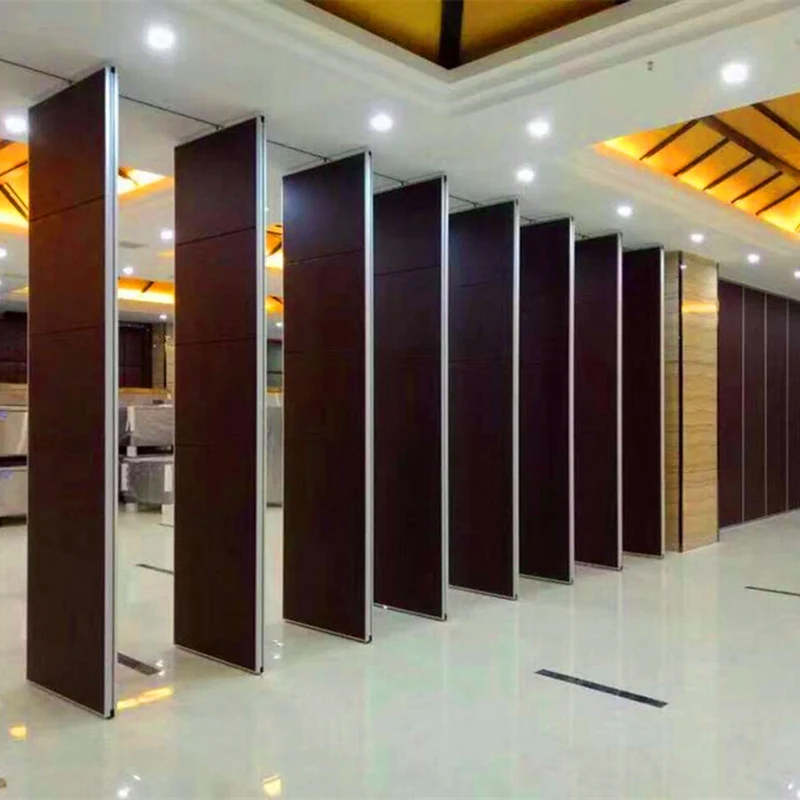
For movable partition projects, the product page at EBUNGE movable walls provides maintained product context. Additional planning material is available in the resources section. Use these as background only; they do not replace project drawings or engineering review.
FAQ: Weighting Track Fixing Preliminaries
What does track fixing preliminaries mean in a tender?
It refers to the coordination and documentation a bidder provides for the suspended overhead route, support interface, parking position and related layout review. The exact scope should be defined in your tender documents.
Should track fixing be scored separately from the panel system?
Yes, separating them gives evaluators a clearer view. Panel characteristics and track fixing preliminaries answer different questions, and combining them can hide gaps in coordination.
Can I score a bidder on acoustic performance from the preliminaries?
No. Preliminaries show coordination evidence, not measured acoustic results.
How much weight should parking and stacking receive?
That depends on the layout. Where stacking space is tight or circulation matters, give it more weight. Confirm the planned stacking position against the project layout.
What if a bidder provides no route drawing?
Treat it as an evidence gap. You can request clarification, but avoid awarding full marks for an unverified route. Every proposed movement path needs a continuous connected overhead route and project-specific support review.
Do finish options affect the track fixing score?
They should be scored separately.
Conclusion and Next Step
To weight bidder track fixing preliminaries tender scoring fairly, reward documented route logic, support coordination and layout review, and keep performance claims outside the score unless they are backed by project-specific evidence. A transparent weighting framework helps contractors, architects, designers, owners and renovation teams compare bids on the same basis.
If your team is preparing a tender or reviewing a movable partition layout, contact EBUNGE to discuss pass-door requirements, project documentation and the coordination information your evaluation needs.