
Quick answer: partition changeover rota
Review focus: partition changeover rota.
Building a partition changeover rota facility booking patterns framework starts with one honest question: what does the booking data actually tell you, and what must still be confirmed from project drawings? A rota is not a performance promise. It is an operational plan that links room demand to panel movement, parking position and the people who coordinate each change. For overseas contractors, architects, interior designers, owners and renovation teams, the rota should be treated as a living document that changes when the layout, booking mix or support conditions change.
This guide explains how to read booking patterns, map them to movable wall routes, and document the assumptions that need project-specific review. The suitability of each route and parking arrangement depends on the approved layout, circulation, ceiling interfaces and operating sequence.
Start With Booking Data, Not Assumptions
Project review term: partition changeover rota.
Begin by exporting a representative period of bookings. Look for recurring room combinations, peak changeover windows, and events that require the same room to be divided or combined. The goal is to identify patterns, not to predict every future booking.
Group bookings by room type, duration and setup. A room that is divided for morning sessions and combined for afternoon plenaries creates a different changeover rhythm from a space used once per day. Record the time available between bookings, because that window is the real constraint on any rota.
What to extract from booking records
- Frequency of divided versus combined layouts.
- Typical gap between consecutive bookings in the same space.
- Days or seasons with the highest reconfiguration demand.
- Bookings that overlap across adjacent rooms.
- Notes from staff about recurring setup difficulties.
These inputs are operational observations. They do not confirm panel quantity, route length or acoustic outcome. Those require layout and project-specific review.
Map Booking Patterns to Panel Movement Routes
Coordination scope: partition changeover rota.
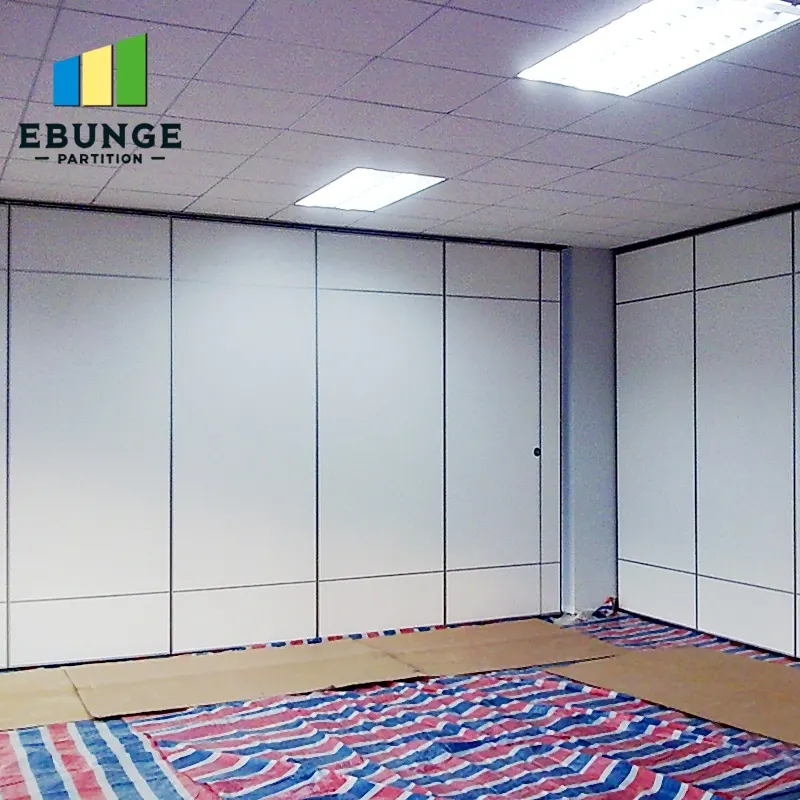
Movable wall panels are individually movable, suspended from a top track, cross the opening without a floor track, and park at a planned stacking position. That maintained product fact shapes the rota: every changeover must follow a continuous connected overhead route, and the parking position must be planned in the layout.
Straight, turning and stacking routes are reviewed from the layout. The exact route, junction arrangement, continuous overhead path and parking position must be confirmed from the coordinated project drawings. The rota should therefore be built alongside the layout, not after it.
Route review checklist
- Identify each opening that panels must cross.
- Trace the overhead route from the opening to the parking position.
- Note any turning points shown on the layout.
- Check whether the parking position is clear during the changeover window.
If any route detail is unclear, mark it for project-specific confirmation. Do not infer support points, loads or engineering outcomes from a drawing alone.
Build the Rota Around Realistic Changeover Windows
Checklist focus: partition changeover rota.
A rota works only if the available time matches the movement sequence. Start with the longest route and the most complex combination, then work backward to the booking gap. If the gap is too short, the rota should show that as a constraint rather than hide it.
Assign changeovers to named roles in the operations plan, but keep the plan flexible. The rota is a coordination tool for facility operations planning coordination, not a fixed promise about speed or manpower.
Simple rota structure
| Booking pattern | Layout change | Route to review | Confirmation needed |
|---|---|---|---|
| Divided morning, combined afternoon | Open panels to parking position | Straight or turning route | Parking clearance and support review |
| Combined all day | No changeover | Not applicable | None for movement |
| Alternating sessions | Repeated open and close | Full route each time | Route continuity and stacking position |
This table is a planning aid.
Document Evidence Boundaries and Open Questions
Every rota should carry an evidence note. State which inputs came from booking records, which came from the layout, and which remain open. This prevents a planning assumption from being read as a confirmed product capability.
Evidence note: booking patterns describe demand. They do not confirm panel quantity, route feasibility, acoustic performance, support conditions or dimensional fit. Those items require project-specific review and matching documentation.
If acoustic separation matters, confirm the project-specific requirement with the relevant documentation.
Coordinate With Finishes, Pass-Doors and Stakeholders
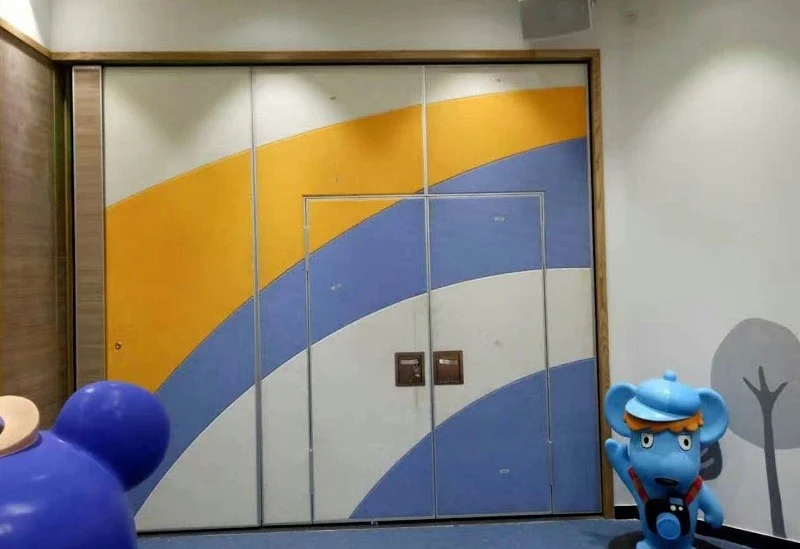
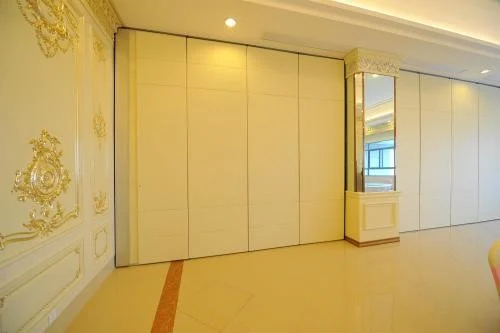
Confirmed finish options include laminate, melamine, fabric, leather, glass and other approved surfaces. Finish choice affects appearance and maintenance discussions, but it does not by itself confirm acoustic, fire or durability performance.
Pass-door requirements and project documentation can be discussed with the supplier. If a booking pattern requires frequent access through a divided space, raise pass-door needs early so they can be reviewed alongside the layout.
Stakeholder coordination points
- Facility managers: booking gaps and cleaning windows.
- Contractors: route continuity and parking position.
- Architects and designers: finish and layout intent.
- Owners: operational priorities and changeover expectations.
- Distributors: documentation and project-specific questions.
Use the movable walls product page and the resources page to align terminology before meetings. For project-specific questions, contact the team.
Review and Update the Rota Regularly
Booking patterns change. A rota built for one season may not fit the next. Schedule a review after major events or when room usage shifts. Update the route assumptions, parking notes and open questions at the same time.
Keep a simple version history so that teams know which rota is current. A rota that is not maintained becomes a source of confusion rather than coordination.
Frequently Asked Questions
What is a partition changeover rota?
It is an operational schedule that links booking patterns to the movement of movable wall panels, including route and parking considerations. It is a planning document, not a performance guarantee.
Can booking data alone determine the rota?
No.
Do movable partitions need a floor track?
EBUNGE movable partition panels are top-hung and move without a continuous floor running track or floor hardware along the partition line. Every proposed movement path still requires a continuous connected overhead route and project-specific support review.
How should acoustic ratings be used in a rota?
Confirm project-specific acoustic requirements with matching documentation.
What finish options can be discussed?
Confirmed finish options include laminate, melamine, fabric, leather, glass and other approved surfaces. Finish selection should be reviewed against project requirements.
When should pass-doors be raised?
Raise pass-door requirements early, especially when booking patterns require frequent access through a divided space. Pass-door requirements and project documentation can be discussed with the supplier.
Conclusion
A partition changeover rota facility booking patterns framework helps teams turn booking demand into a clear operational plan without overstating what the data proves. Start with booking records, map routes from the layout, document evidence boundaries, and confirm project-specific support, acoustic and dimensional requirements before finalising the schedule.
For project-specific guidance, contact EBUNGE to discuss your layout, booking patterns and documentation needs.