
Quick answer: corridor narrows circulation review
Review focus: corridor narrows circulation review.
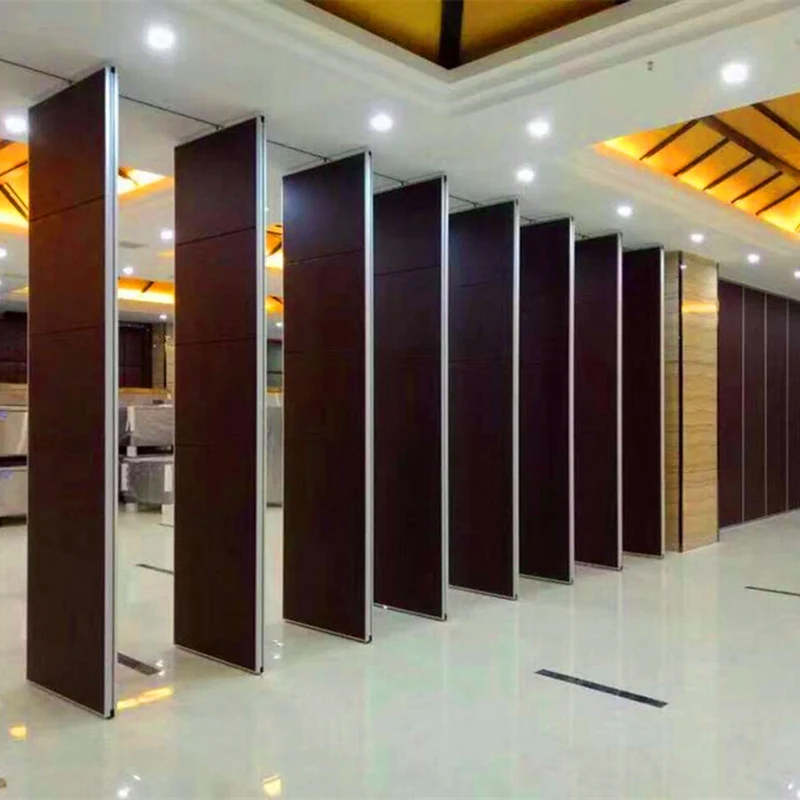
A stacking pocket corridor narrows circulation review belongs early in layout planning, not after finishes are chosen. When movable panels park beside a corridor, the pocket becomes part of the everyday route. EBUNGE movable wall panels are individually movable, suspended from a top track, cross the opening without a floor track, and park at a planned stacking position. That maintained product context is the starting point; it is not a substitute for project-specific support, acoustic and dimensional confirmation.
Why the Pocket Location Changes the Circulation Question
Project review term: corridor narrows circulation review.
A stacking pocket is not only a storage decision. It changes how people read the corridor, how doors and adjacent rooms connect, and how the open and closed states of the partition are used. The review should compare those states side by side rather than treating the pocket as a fixed object.
Straight, turning and stacking routes are reviewed from the layout. That means the drawing set must show the full movement path, including the overhead route that connects the opening to the parking position. The exact route, junction arrangement, continuous overhead path and parking position must be confirmed from the coordinated project drawings.
What the Drawing Set Should Show
Coordination scope: corridor narrows circulation review.
Before circulation can be judged, the drawings need enough information to make the route visible. A plan that shows only the closed partition line will hide the very condition being reviewed.
Core plan information
- Open and closed positions of the movable partition.
- The planned stacking position and its relationship to the corridor edge.
- The overhead route from the opening to the parking position.
- Adjacent doors, lifts, stairs, service cupboards and fixed furniture.
These items are coordination inputs, not performance claims. They help the project team see where the pocket and the corridor interact, and where further project-specific confirmation is needed.
Separating Maintained Facts from Project-Specific Evidence
Checklist focus: corridor narrows circulation review.
It is easy to slide from a visible drawing into an assumed conclusion. The suitability of each route and parking arrangement depends on the approved layout, circulation, ceiling interfaces and operating sequence. A pocket outline does not prove that every route will work in practice.
Evidence note: use maintained product facts for general product behaviour, and require matching project evidence for dimensions, support, acoustics, fire, durability, maintenance and commercial outcomes. Do not infer hidden performance from a shape, finish, photograph or drawing.
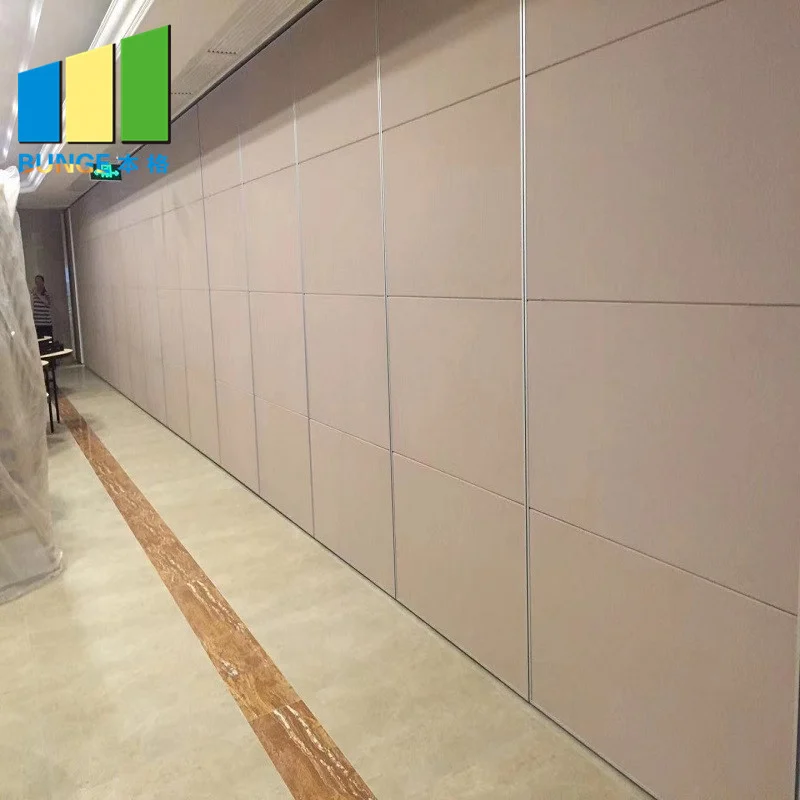
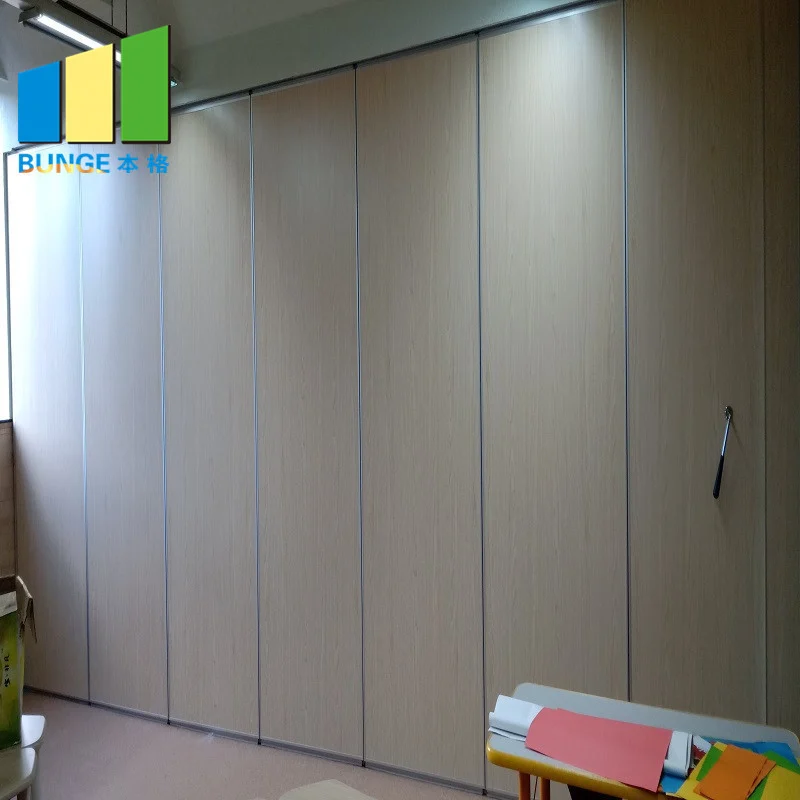
Confirmed finish options include laminate, melamine, fabric, leather, glass and other approved surfaces.
A Step-by-Step Circulation Review Process
Use a repeatable sequence so the pocket does not get reviewed only at the end of coordination.
- Mark the open and closed partition lines on the plan.
- Mark the planned stacking position and the corridor edge beside it.
- Trace the straight, turning and stacking routes from the opening to the parking position.
- Check that the overhead route is continuous and connected for every proposed movement path.
- Overlay adjacent doors, circulation nodes and fixed elements that could conflict.
- Record every item that needs project-specific support, acoustic or dimensional confirmation.
- Re-check the layout after any change to the pocket, corridor or room programme.
This process does not decide the design. It exposes the questions that the project team, supplier and reviewer need to resolve together.
Coordination Questions for the Project Team
Different disciplines see the same pocket differently. A short coordination round can prevent later rework.
Questions worth asking early
- Does the corridor remain usable in both the open and closed partition states?
- Is the stacking position reachable along a continuous connected overhead route?
- Are pass-door requirements and project documentation discussed before the layout is fixed?
- Which acoustic, support and dimensional requirements still need project-specific confirmation?
- Has the owner confirmed how the space will be used across a typical day?
These questions are deliberately open. They keep the review tied to the application reference rather than to a generic assumption about how movable walls behave.
Common Review Gaps at a Corridor Narrows
Most circulation problems at a narrow corridor come from missing information, not from a single wrong decision. The pocket may be drawn without the open partition line, or the route may be shown without the overhead connection. Sometimes the finish is selected before the parking position is coordinated.
If not, the drawing is not yet ready for a circulation review. This is a documentation test, not a performance test.
How to Record the Outcome
The output of the review should be a clear list of confirmed items and open items. Confirmed items can move forward. Open items should name the discipline or party responsible for the next confirmation.
| Review item | Status | Next action |
|---|---|---|
| Open and closed partition lines | To confirm | Update plan |
| Stacking position | To confirm | Coordinate with layout |
| Overhead route continuity | To confirm | Project-specific support review |
| Acoustic requirement | To confirm | Project-specific confirmation |
| Finish selection | To confirm | Review approved surfaces |
This table is a coordination tool. It does not replace engineering, acoustic or dimensional confirmation for the specific project.
FAQ: Stacking Pocket and Corridor Circulation
What is a stacking pocket corridor narrows circulation review?
It is a planning review that examines how a movable partition’s parking position affects movement along a corridor, using the open and closed states, the stacking route and the overhead path as drawing inputs.
Can the review confirm acoustic performance?
No.
Does every project need a stacking pocket?
Parking style is customized to the customer layout and project requirements. A compact stacking arrangement may be possible when the coordinated design permits it, but the layout and route still need review.
What if the corridor is very narrow?
That is exactly when the review matters most. The team should confirm the open and closed states, the parking position and the continuous connected overhead route before fixing the layout.
Which finishes can be considered?
Confirmed finish options include laminate, melamine, fabric, leather, glass and other approved surfaces.
When should the supplier be involved?
Provide the current layout, opening dimensions, ceiling information, intended room use, and relevant project drawings for review. The exact overhead route and support arrangement must be confirmed by the responsible project team from coordinated drawings.
Conclusion and Next Step
A stacking pocket corridor narrows circulation review is strongest when it stays close to maintained product facts and visible drawing evidence. EBUNGE panels are top-hung, move without a continuous floor running track along the partition line, and park at a planned stacking position. The rest depends on the project.
Review the movable walls product page, use the resources for planning context, and contact EBUNGE to discuss pass-door requirements, project documentation and the confirmations your layout still needs.