
Quick answer: track fixing risk weighting tender
Review focus: track fixing risk weighting tender.
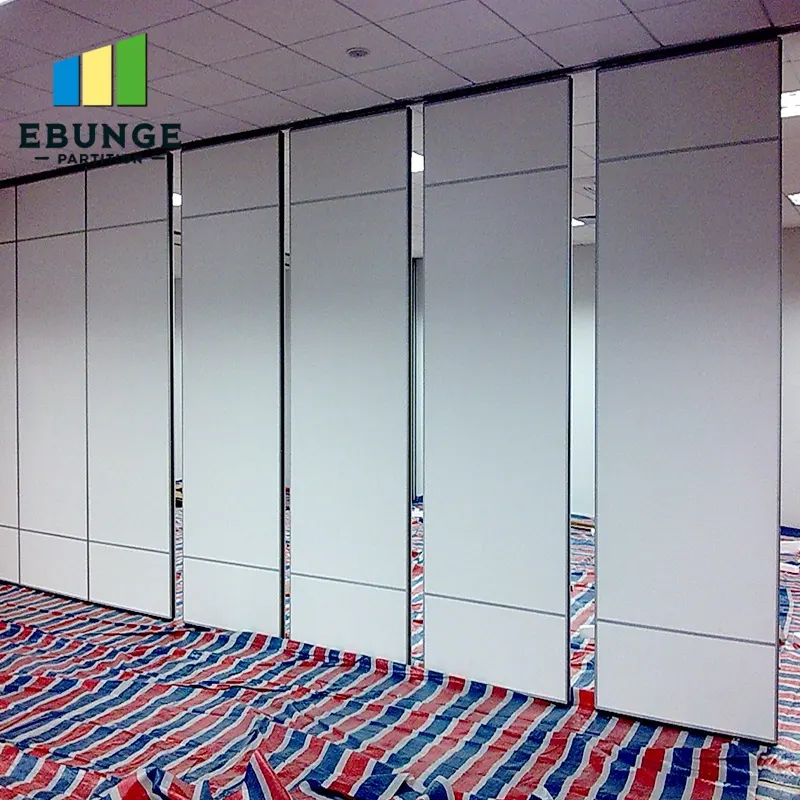
Track fixing risk weighting tender evaluation matrix decisions often determine whether a movable partition package proceeds smoothly or stalls in coordination. Because EBUNGE movable wall panels are individually movable, suspended from a top track, cross the opening without a floor track, and park at a planned stacking position, the overhead support route becomes a central procurement concern. This article offers an evidence-bounded framework for scoring that risk without inventing performance, cost or engineering conclusions.
Why Track Fixing Risk Deserves Its Own Weighting Line
Project review term: track fixing risk weighting tender.
In many tender matrices, movable partitions sit inside a generic fit-out or joinery line. The exact route, junction arrangement, continuous overhead path and parking position must be confirmed from the coordinated project drawings. The suitability of each route and parking arrangement depends on the approved layout, circulation, ceiling interfaces and operating sequence.
Weighting track fixing risk separately does not assume a problem exists. It simply makes the review visible. Evaluators can then compare how each bidder addresses drawing review, coordination responsibilities and project-specific confirmation.
What the Tender Matrix Should Ask Before Scoring
Coordination scope: track fixing risk weighting tender.
A useful matrix begins with questions, not scores. The goal is to separate what is known from what still requires project-specific evidence. The following checklist helps procurement teams structure that inquiry.
- Has the bidder reviewed the proposed straight, turning and stacking routes against the layout?
- Does the submission identify who confirms the overhead support condition and by when?
- Are pass-door requirements and project documentation discussed as part of the scope?
- Does the bid state which finish options are proposed from laminate, melamine, fabric, leather, glass or other approved surfaces?
- Are acoustic concepts such as STC or Rw referenced as project-specific targets rather than fixed promises?
- Is there a clear boundary between bidder assumptions and information the project team must confirm?
These prompts do not produce a pass or fail by themselves. They reveal whether the bid is built on maintained product facts and visible evidence, or on unstated assumptions.
Building a Weighted Scoring Structure
Checklist focus: track fixing risk weighting tender.
Once the questions are agreed, assign weights that reflect project priorities. The matrix should record the rationale for each weight so the evaluation remains defensible.
Suggested Weighting Categories
| Category | What It Covers | Evidence to Request |
|---|---|---|
| Route and layout review | Straight, turning and stacking routes checked against drawings | Marked-up layout or route commentary |
| Support coordination | Who confirms overhead support and when | Named responsibility and confirmation stage |
| Documentation completeness | Pass-door requirements, finish selections and project documentation | Scope notes and finish schedule references |
| Acoustic boundary | STC or Rw discussed as project-specific targets | Stated confirmation requirement, not a fixed claim |
| Assumption transparency | Clear separation of bidder assumptions from project confirmations | Assumption register or clarifications list |
Weights should be set before bids arrive. Adjusting them afterward weakens the audit trail and makes comparison harder to justify.
How to Score Evidence Without Overclaiming
Review focus: track fixing risk weighting tender.
Scoring should reward clarity, not confident-sounding language. A bid that says the support condition will be confirmed after a drawing review may score higher than one that implies the route is already resolved without evidence.
Evidence Note
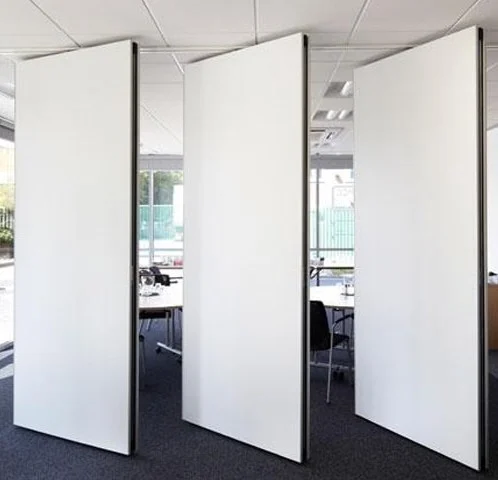
Do not derive hidden acoustic, structural, load, maintenance or commercial performance from a visible shape, finish, photograph or drawing. Comparative and absolute statements require corresponding evidence; otherwise state the exact project-specific confirmation boundary.
This boundary keeps the matrix honest.
Coordinating Procurement and Tender Review
Project review term: track fixing risk weighting tender.
Track fixing risk sits between procurement, design and construction. Without that ownership, a high-scoring bid can still leave the support route unresolved.
Use the movable wall product context to align terminology, and the resource library for general planning references. Neither replaces project-specific drawing review.
Common Weighting Mistakes to Avoid
One frequent mistake is treating track fixing as a purely commercial line item. Another is allowing a low price to outweigh an unresolved support route.
- Do not collapse all installation risk into one generic line.
- Do not score a bid higher because it avoids mentioning confirmation steps.
Each of these mistakes weakens the matrix and shifts risk to later stages.
Documenting the Decision for Audit and Handover
The final matrix should record not only scores but also the evidence reviewed and the confirmations still outstanding. This record supports handover to the installation team and helps avoid reopening settled questions.
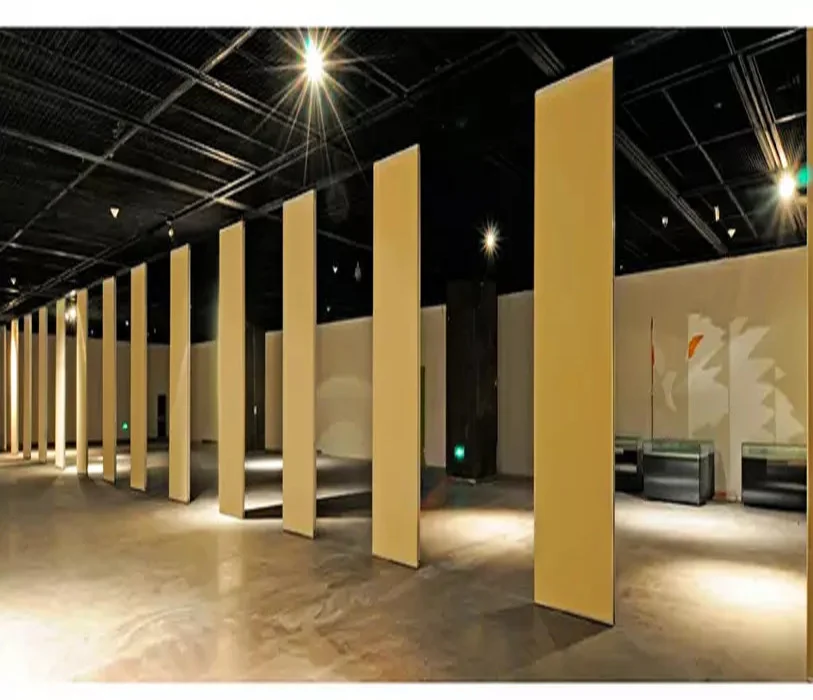
Where a bid depends on project-specific support, acoustic or dimensional requirements, the matrix should state that dependency explicitly. The evaluation can then proceed without implying that unresolved items are already satisfied.
Frequently Asked Questions
What is track fixing risk in a tender evaluation matrix?
It is the risk that the overhead support route, turning paths or stacking position are not sufficiently reviewed before a bid is scored. Because panels are top-hung and cross the opening without a floor track, the overhead route is central to feasibility.
Should track fixing risk be weighted separately from general installation risk?
Separating it makes the review visible. A single generic line can hide whether the bidder has addressed route review, support coordination and documentation. Separate weighting does not assume a problem exists; it ensures the topic is examined.
What evidence should bidders provide for track fixing?
Ask for route commentary against the layout, a named responsibility for overhead support confirmation, and clarity on pass-door requirements and project documentation. Finish selections should also be stated from the approved options.
How should acoustic terms like STC or Rw appear in the matrix?
They should appear as project-specific targets to be confirmed, not as fixed promises.
Can a bid be scored without a completed structural review?
Yes, provided the matrix records the dependency. The bid can be scored on how clearly it identifies the confirmation step, who owns it and when it will occur. The unresolved item should remain visible in the decision record.
How does parking style affect track fixing risk?
Parking style is customized to the customer layout and project requirements and may support compact stacking when the coordinated design permits it. The stacking position and its route should be reviewed as part of the layout assessment.
Conclusion and Next Step
Weighting track fixing risk in a tender evaluation matrix is less about predicting outcomes and more about making assumptions visible. By separating route review, support coordination, documentation and acoustic boundaries, procurement teams can compare bids on evidence rather than confidence. Confirm project-specific support, acoustic and dimensional requirements before finalizing any award.
To discuss pass-door requirements, finish options or project documentation for your next tender, contact the EBUNGE team.