
Quick answer: changeover buffer policy
Review focus: changeover buffer policy.
A changeover buffer policy movable walls room scheduling teams can actually enforce is not a single number copied from another venue. It is a documented rule that connects booking times to the physical work of moving top-hung panels, parking them, and returning the room to a usable state. Panel handling and the operating sequence must be confirmed for the selected layout and project conditions.
Why a Buffer Policy Belongs in the Project Documents
Project review term: changeover buffer policy.
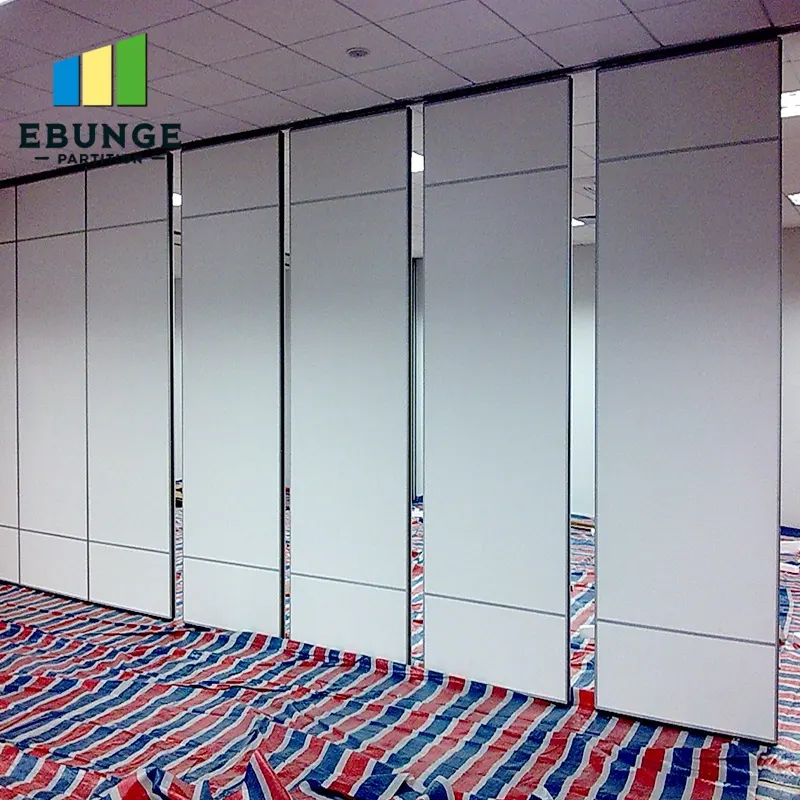
Movable wall panels are individually movable, suspended from a top track, cross the opening without a floor track, and park at a planned stacking position. Those four facts already tell you that changeover involves a route, a parking zone and a sequence. A buffer policy records how much scheduled time that sequence needs in your building, and who is responsible for each step.
Without a written policy, the gap between events becomes a guess. Operations staff absorb the risk, and the next booking may start before the room is ready. The policy does not need to promise a performance outcome; it needs to state the assumptions that were reviewed and the conditions under which the buffer applies.
Inputs You Need Before Choosing Any Buffer
Coordination scope: changeover buffer policy.
Start with the layout. Straight, turning and stacking routes should be reviewed from the project drawings, because a route that turns or crosses a busy circulation area changes the changeover sequence. Confirm the parking position and whether the coordinated design supports compact stacking.
Then list the operational inputs: who moves the panels, what else changes in the room, and whether furniture, AV or catering resets happen in the same window. The buffer must cover the whole changeover, not only panel movement.
A short evidence note
Treat any buffer figure as a project-specific planning assumption, not a product specification. Confirm support, acoustic and dimensional requirements with the project team before publishing the policy to staff or clients.
A Step-by-Step Method for Setting the Buffer
Checklist focus: changeover buffer policy.
- Map the opening and the full movement route from the drawings, including turns and the parking zone.
- List every task in the changeover: panel movement, parking, room reset, and any finish or surface check.
- Assign an owner to each task and note where two tasks cannot happen at the same time.
- Draft a buffer range, then test it against a realistic worst case such as a late finish or a blocked route.
- Record the assumptions, review date and the person who approves changes.
- Publish the policy with the booking rules and review it after the first few live changeovers.
Route and Parking Decisions That Change the Buffer
The route is the part of the policy most often underestimated. The exact route, junction arrangement, continuous overhead path and parking position must be confirmed from the coordinated project drawings. If the route passes through a public corridor or a shared lobby, the buffer may need to account for access control or temporary protection.
Parking also matters. If panels park in a dedicated recess, the changeover may be contained. If they park along a wall used for other purposes, the policy must state who clears that area and when.
Compact comparison: buffer drivers
| Driver | What to confirm | Policy action |
|---|---|---|
| Route shape | Straight, turning or stacking path shown on drawings | Add time for turns and congested sections |
| Parking position | Planned stacking location and access | Define who clears and protects the zone |
| Finish handling | Approved surface type and cleaning guidance | Add a surface check to the reset list |
| Room reset | Furniture, AV and service tasks | Sequence tasks so they do not conflict |
Finish, Seals and Acoustic Expectations in the Policy
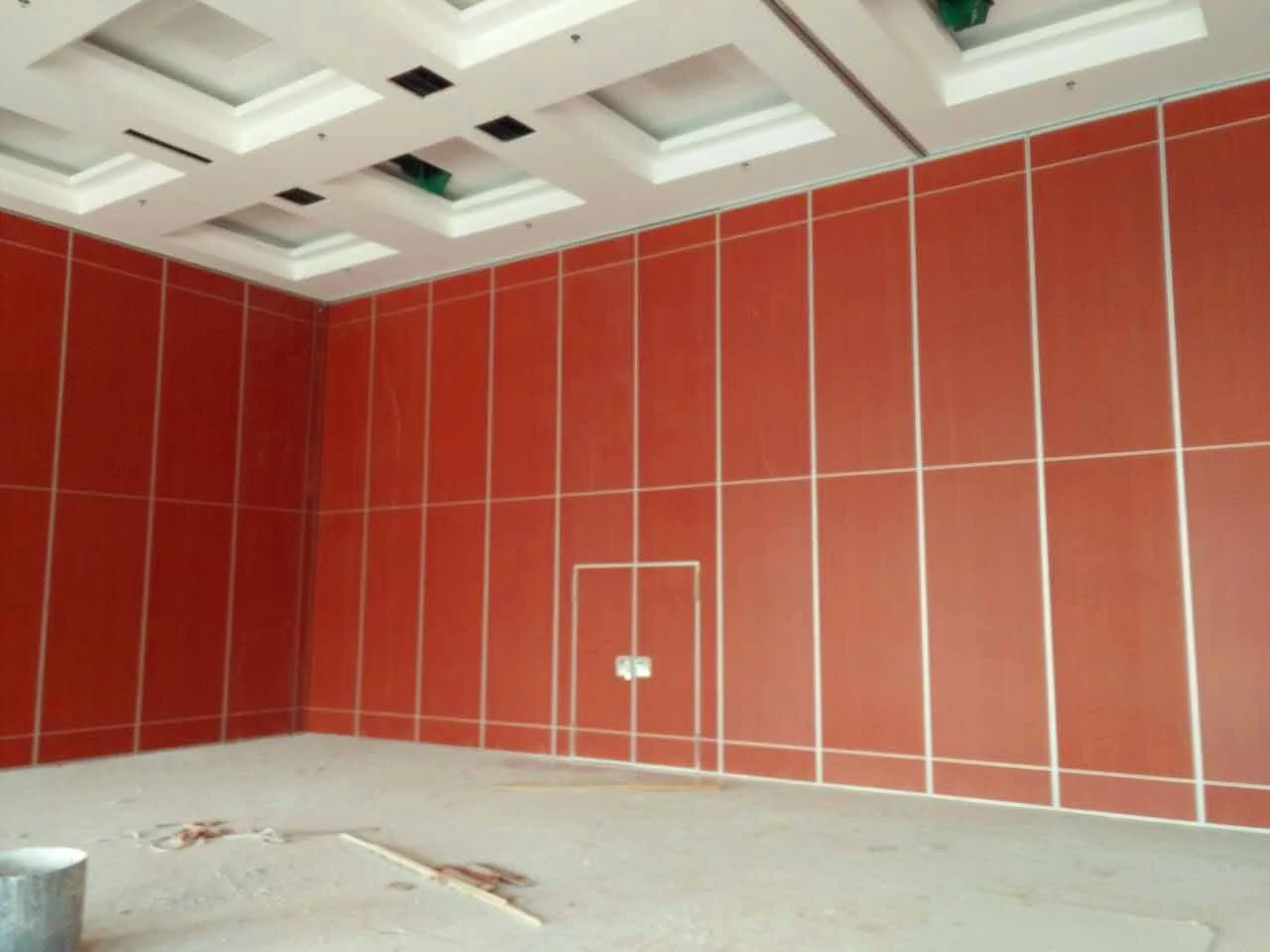
Confirmed finish options include laminate, melamine, fabric, leather, glass and other approved surfaces. The policy should name the approved finish for each room so staff use the correct handling and cleaning approach. Do not treat a finish example as evidence of cleaning compatibility or durability; confirm guidance for the specific surface.
The suitability of each route and parking arrangement depends on the approved layout, circulation, ceiling interfaces and operating sequence. Confirm acoustic requirements for each room with the project team.
Booking Rules, Pass Doors and Documentation
Translate the buffer into booking rules. State the rule in the calendar system so it is visible at the point of booking.
Pass-door requirements and project documentation can be discussed with the supplier so the policy reflects the actual configuration. If a pass door is part of the design, the changeover sequence should include it. Keep a single controlled document with the layout reference, finish schedule and review owner.
Decision checklist for approval
- Are straight, turning and stacking routes reviewed from the current layout?
- Is the parking position confirmed and protected during changeover?
- Are finish types listed per room with handling guidance?
- Are pass-door and documentation requirements recorded?
- Is there a named owner for policy changes and reviews?
- Have support, acoustic and dimensional requirements been confirmed for the project?
Common Mistakes That Weaken a Buffer Policy
One common mistake is copying a buffer from a different building. Another is treating the buffer as only panel movement time while ignoring furniture and AV resets.
Every proposed movement path requires a continuous connected overhead route and project-specific support review. If the route changes, the buffer should be reviewed again.
FAQ
What is a changeover buffer policy for movable wall rooms?
It is a documented rule that defines the scheduled time and tasks between one room use and the next when top-hung movable panels must be moved and parked. It connects booking times to the reviewed layout, route and parking position.
Can I use the same buffer for every room in a building?
Not automatically. Rooms with different route shapes, parking positions, finishes or reset tasks may need different buffers. Review each room against its own drawings and operational sequence.
Does the buffer depend on acoustic performance?
The buffer is an operational planning rule. Acoustic requirements are separate project-specific matters.
Who should approve the buffer policy?
Typically the owner or facility lead, with input from the contractor, designer and supplier as needed. The policy should name one person responsible for reviews and changes.
What documentation should support the policy?
Keep the current layout, route and parking references, the finish schedule per room, the task list with owners, and a review date. Pass-door requirements and project documentation can be discussed with the supplier.
How often should the policy be reviewed?
Review it after the first live changeovers and whenever the layout, route, parking position or room use changes. Confirm support, acoustic and dimensional requirements with the project team at each review.
Conclusion and Next Step
A defensible changeover buffer policy starts with the reviewed layout, names the tasks and owners, and states its assumptions openly. It avoids unsupported performance claims and keeps acoustic, support and dimensional questions with the project team. For product context, see the movable walls range and the planning resources.
To discuss pass-door requirements, project documentation or a layout review for your rooms, contact the EBUNGE team.