
Quick answer: renovation phasing track zone chevron
Review focus: renovation phasing track zone chevron.
A renovation phasing track zone chevron release sequence is a planning approach in which overhead track zones are handed over in a stepped, angled order rather than a single straight sweep. It matters when a project must keep some rooms usable while others are rebuilt, and when the movable partition route crosses several work areas. This guide is for contractors, architects, interior designers, owners and renovation teams who need a drawing-led method without unsupported performance or commercial conclusions.
What the Chevron Release Sequence Actually Controls
Project review term: renovation phasing track zone chevron.
The phrase describes the order in which track zones become available for installation, inspection or handover. A chevron pattern means the release front moves in angled steps, so one zone may be ready while the adjacent zone is still occupied by other trades. The sequence is a coordination tool, not a product setting.
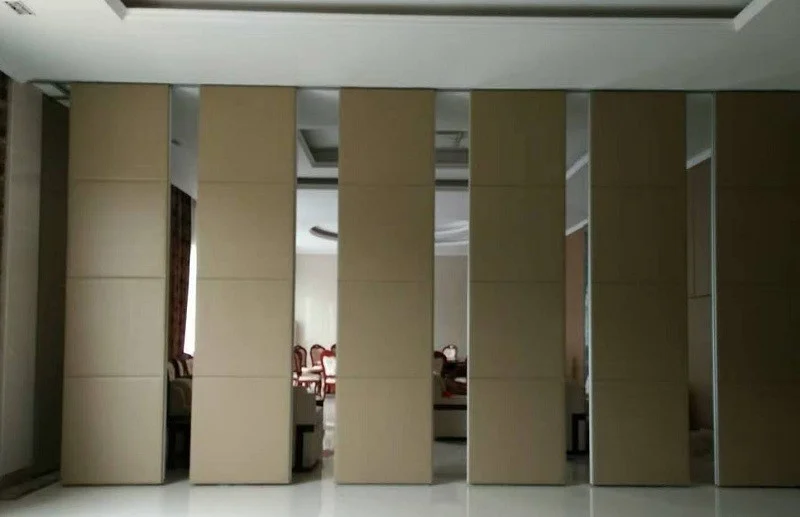
For movable partitions, the maintained product facts are simple: panels are individually movable, suspended from a top track, cross the opening without a floor track, and park at a planned stacking position. Straight, turning and stacking routes are reviewed from the layout. The exact route, junction arrangement, continuous overhead path and parking position must be confirmed from the coordinated project drawings.
Why the Track Zone Order Differs From a Room-by-Room Handover
Coordination scope: renovation phasing track zone chevron.
A room-by-room handover follows the floor plan. A chevron release follows the movement path.
This is where early coordination pays. The project team should mark on the layout which track segments are shared, which are independent, and which stacking positions are planned. Without that drawing review, a phased release can leave a gap that no panel can cross.
Route types to identify before sequencing
- Straight routes: the track runs in one direction and the release front can move linearly.
- Stacking routes: panels park at a planned position, which may sit outside the main work zone.
- Shared segments: two or more rooms rely on the same overhead route.
A Step-by-Step Planning Method for the Release Front
Checklist focus: renovation phasing track zone chevron.
Use a numbered process so the sequence can be checked against drawings rather than memory. The steps below are planning actions, not installation instructions.
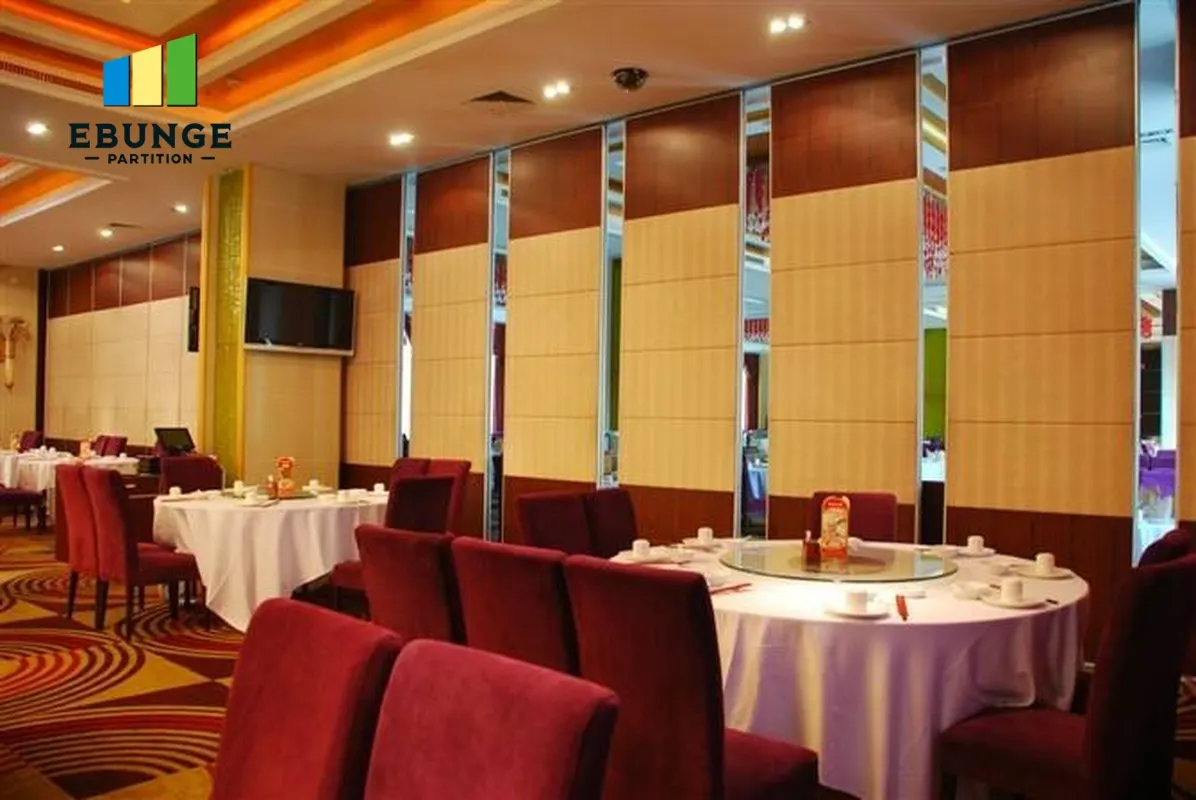
- The suitability of each route and parking arrangement depends on the approved layout, circulation, ceiling interfaces and operating sequence.
- Mark the proposed track route, including straight, turning and stacking sections.
- Identify which zones must remain operational during each phase.
- Confirm stacking positions and access to them with the project team.
- Record pass-door requirements and project documentation needs for each phase.
- Review the sequence with the relevant trades before work starts in the first zone.
Evidence Boundaries You Should State in the Specification
Review focus: renovation phasing track zone chevron.
A specification for a phased track release should separate confirmed product facts from project-specific requirements. Confirmed finish options include laminate, melamine, fabric, leather, glass and other approved surfaces. Pass-door requirements and project documentation can be discussed. Everything else needs its own evidence.
Visible references can support layout discussion but do not verify hidden construction or performance. Confirm project-specific support, acoustic and dimensional requirements with the responsible parties.
Evidence note: what a drawing can and cannot prove
A layout can show route geometry, stacking positions and release order. It cannot prove structural capacity, acoustic performance, fire behaviour or application reference outcomes. Those items require matching project-specific evidence.
Coordination Checklist for the Chevron Release Meeting
Use this checklist to keep the meeting focused on decisions rather than assumptions.
| Item | Question to resolve | Owner |
|---|---|---|
| Route continuity | Is the overhead route connected across every phase? | Design lead |
| Release front | Which zone opens first, and in what angled order? | Contractor |
| Stacking position | Where will panels park, and is access protected? | Project team |
| Pass doors | Are pass-door requirements defined for each phase? | Architect |
| Documentation | Which drawings and approvals are needed per phase? | Owner representative |
Common Phasing Mistakes and How to Avoid Them
One common mistake is treating the track zone as a single handover item.
A third mistake is leaving stacking positions until late. Parking style is customized to the customer layout and project requirements and may support compact stacking when the coordinated design permits it. That coordination should happen before the release sequence is fixed.
Questions to ask before releasing a zone
- Does the released zone preserve a continuous connected overhead route?
- Are the straight, turning and stacking sections clearly marked?
- Has the project team confirmed support and dimensional requirements?
- Are pass-door and documentation needs recorded for the next phase?
How to Document the Sequence for Overseas Project Teams
Overseas teams often work across time zones and drawing revisions. A clear sequence document should include the phase plan, the route drawing, the stacking position plan and a list of open items. It should also state which items are confirmed and which remain subject to project-specific review.
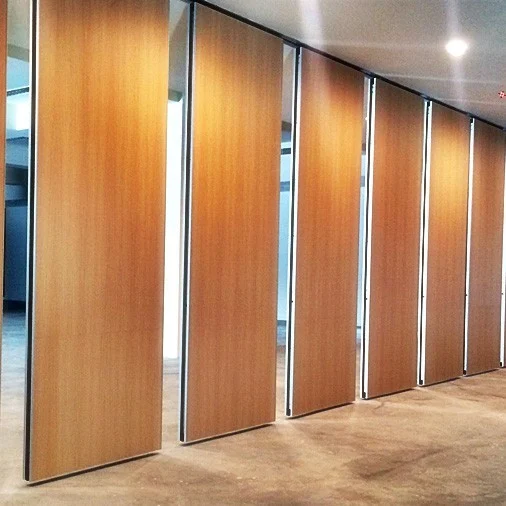
Use the movable walls product page for maintained product context, and the resources page for general planning material.
FAQ: Phased Track Zone Release
What is a chevron release sequence in renovation phasing?
It is a stepped, angled order for handing over track zones. Instead of releasing the whole route at once, the project releases segments in a pattern that keeps the overhead route connected while some areas remain in use.
Can movable partitions cross a gap during a phased release?
No. Every proposed movement path requires a continuous connected overhead route and project-specific support review.
Which finish options can be considered for phased projects?
Confirmed finish options include laminate, melamine, fabric, leather, glass and other approved surfaces.
How should STC or Rw be handled in the specification?
Confirm project-specific acoustic requirements with the responsible consultant and do not infer performance from a drawing or finish.
What should be confirmed before the first zone is released?
Confirm route continuity, stacking position access, pass-door requirements, documentation needs, and project-specific support and dimensional requirements. Record open items so later phases are not delayed.
Does EBUNGE provide project-specific engineering or acoustic conclusions?
The maintained product facts describe the top-hung, floor-track-free movement concept and customizable parking, not hidden performance.
Conclusion: Plan the Route Before the Release Date
A renovation phasing track zone chevron release sequence works when the route is planned before the handover dates are fixed. Mark straight, turning and stacking sections, protect a continuous connected overhead route, and separate confirmed product facts from project-specific requirements. Keep the sequence document current as drawings change.
To discuss pass-door requirements, project documentation or a phased layout review, contact the EBUNGE team. Bring your current drawings and phase plan so the conversation can stay grounded in the information your project actually has.