
Quick project answer
Review focus: track zone handover sequence between.
Planning a track zone handover sequence between trades is a coordination exercise, not a construction shortcut. On movable partition projects, the overhead route must be continuous and supported before panels can travel. That means the sequence of who installs, who inspects, and who accepts the track zone needs to be agreed on drawings before site work begins. This article gives overseas contractors, architects, interior designers, owners, and renovation teams a framework for that handover. It stays within confirmed product facts and points to the project-specific reviews that must happen before any commitment.
Why the Track Zone Deserves Its Own Handover Gate
Project review term: track zone handover sequence between.
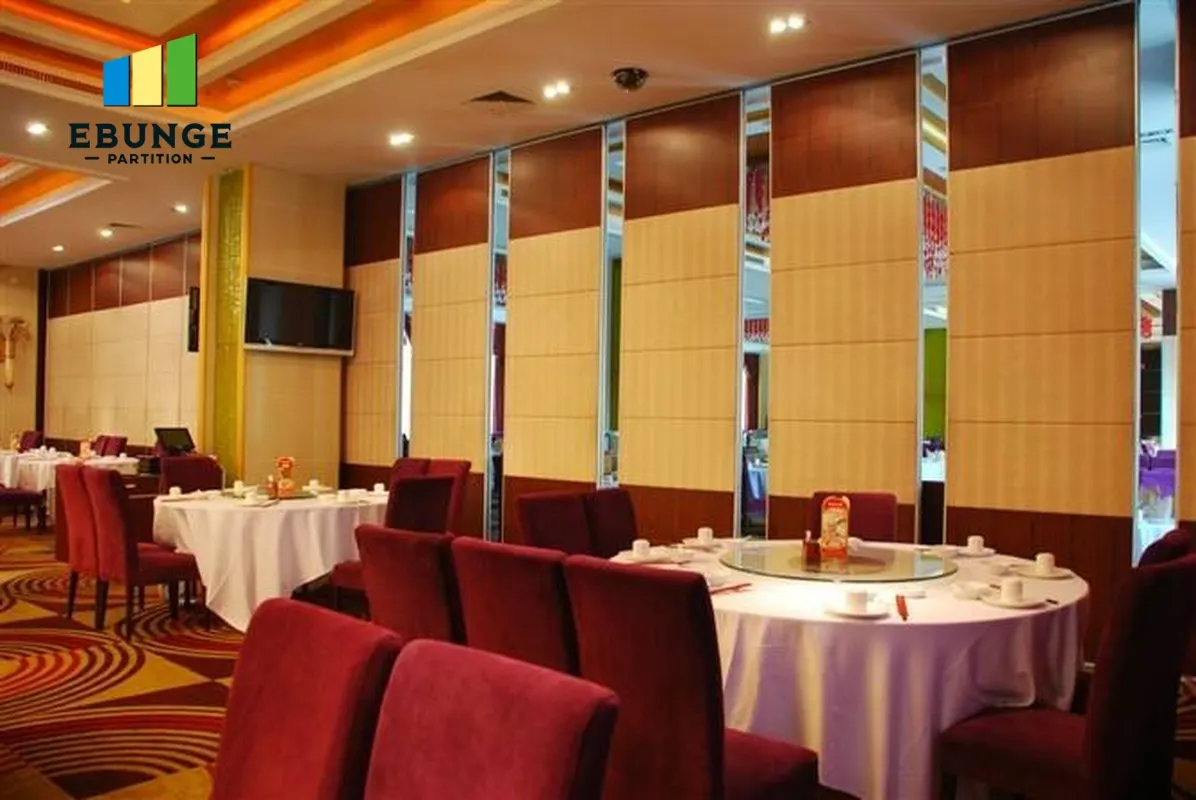
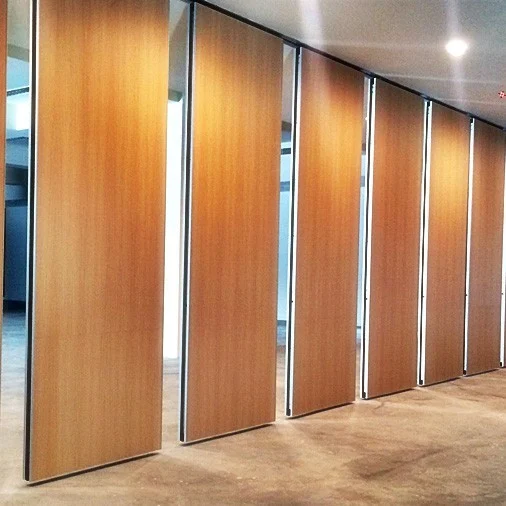
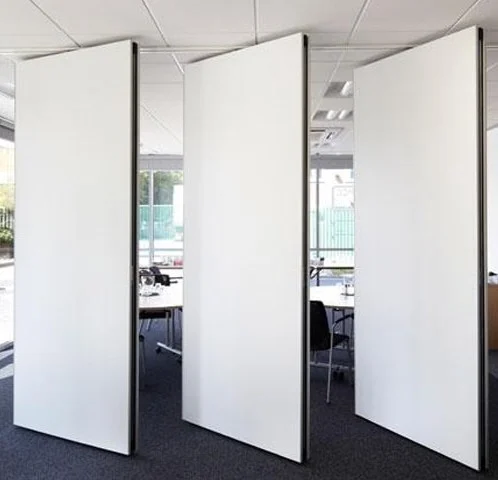
Movable wall panels are individually movable, suspended from a top track, and cross the opening without a floor track. They park at a planned stacking position. The suitability of each route and parking arrangement depends on the approved layout, circulation, ceiling interfaces and operating sequence. If that interface is handed over informally, later trades may work around an unverified condition.
A dedicated handover gate makes the dependency visible. It also separates what is known from what still needs project-specific confirmation. The gate does not replace engineering review; it organizes it.
What the Track Zone Handover Sequence Between Trades Must Cover
Coordination scope: track zone handover sequence between.
The sequence should define the order in which the overhead route is prepared, reviewed, and accepted. Straight, turning, and stacking routes are reviewed from the layout, so the sequence must follow those routes rather than a generic room plan.
Route continuity and support review
Every proposed movement path requires a continuous connected overhead route and project-specific support review. The handover sequence should name who confirms that continuity and who records the support condition. Do not infer support capacity from a drawing symbol or a finish sample.
Parking position coordination
Parking style is customized to the customer layout and project requirements and may support compact stacking when the coordinated design permits it. The handover sequence should identify when the parking position is fixed and which trade is responsible for keeping that zone clear.
A Step-by-Step Handover Sequence Framework
Checklist focus: track zone handover sequence between.
- Drawing review: Confirm the straight, turning, and stacking routes against the current layout. Record any unresolved route questions.
- The exact route, junction arrangement, continuous overhead path and parking position must be confirmed from the coordinated project drawings.
- Route continuity check: Verify that the connected overhead route matches the reviewed layout.
- Parking zone readiness: Confirm the planned stacking position is coordinated and unobstructed.
- Documentation handover: Transfer drawings, approvals, and open items to the receiving trade.
- Acceptance record: Sign off the track zone condition and note any remaining project-specific confirmations.
Evidence Boundaries for Track Zone Coordination
Track zone planning often attracts assumptions that the available evidence does not support. The table below separates what can be discussed from what requires matching project evidence.
| Topic | Can be discussed generically | Requires project-specific confirmation |
|---|---|---|
| Route type | Straight, turning, and stacking routes are reviewed from the layout | Actual route geometry and support points |
| Panel movement | Panels are top-hung and cross the opening without a floor track | Clearance, stacking position, and interface conditions |
| Acoustic concept | STC and Rw are rating concepts, not a direct count of decibels | Project acoustic requirement and matching test evidence |
| Finish | Laminate, melamine, fabric, leather, glass, and other approved surfaces are confirmed options | Cleaning compatibility and project specification |
Evidence note: a visible finish, drawing, or photograph does not prove acoustic, fire, durability, load, or commercial performance. Those claims require matching evidence for the specific project.
Roles and Responsibilities Across Trades
Clear role ownership reduces the chance that the track zone is treated as someone else’s scope. The sequence should name a single coordinator for the handover gate and a receiving trade representative.
Design team
Architects and interior designers confirm the layout intent and flag any route changes that affect the overhead zone. They should state which dimensions and support requirements remain open.
Contractor and installation team
The contractor maintains the site sequence and protects the reviewed route. Installation teams need the approved layout before positioning any track zone element.
Owner and facility representative
The owner or facility representative confirms operational expectations, including pass-door requirements and project documentation. These can be discussed with the supplier, but they remain project-specific.
Common Coordination Gaps to Avoid
Most handover problems come from unstated assumptions rather than missing hardware. Watch for these gaps:
- Treating the track zone as a ceiling trade responsibility alone.
- Approving a route change without updating the layout review.
- Assuming a parking position without confirming the coordinated design.
- Using a finish sample as evidence of performance.
- Closing the overhead zone before support review is recorded.
Each gap can be closed with a simple written confirmation. The goal is not more paperwork; it is a traceable sequence that later trades can trust.
Documentation to Exchange at Handover
Project documentation can be discussed with the supplier and should be listed in the handover sequence. Typical items include the reviewed layout, route drawings, support review records, and open-item logs. Pass-door requirements should also be captured if they affect the track zone or stacking position.
Keep the documentation set aligned with the current revision. A superseded drawing in the handover pack can undo a well-planned sequence.
Frequently Asked Questions
What is a track zone handover sequence between trades?
It is the agreed order in which the overhead track zone is prepared, reviewed, and accepted by the trades involved. It follows the straight, turning, and stacking routes reviewed from the layout.
Do movable partitions need a floor track?
No. EBUNGE movable partition panels are top-hung and move without a continuous floor running track or floor hardware along the partition line. The overhead route still requires project-specific support review.
Can the handover sequence be standardized across projects?
A framework can be reused, but the actual sequence depends on the layout, route geometry, support conditions, and trade responsibilities. Confirm these for each project.
How should acoustic requirements be handled in the handover?
The project acoustic requirement and any matching test evidence should be confirmed separately before claims are made.
What finish options can be coordinated during planning?
Confirmed finish options include laminate, melamine, fabric, leather, glass, and other approved surfaces. Cleaning compatibility and specification suitability remain project-specific.
When should pass-door requirements be raised?
Raise pass-door requirements early, because they can affect the layout, route, and stacking position. They can be discussed with the supplier as part of project documentation.
Conclusion and Next Steps
A track zone handover sequence between trades works when it is tied to reviewed drawings, named responsibilities, and honest evidence boundaries. Start with the layout, confirm the overhead route, record support review, and hand over documentation before the zone is closed in. The exact overhead route and support arrangement must be confirmed by the responsible project team from coordinated drawings.
For product context, review the movable walls range and the planning resources. To discuss pass-door requirements, project documentation, or a specific handover sequence, contact the EBUNGE team.