
Quick project answer
Review focus: room booking data.
Estimating annual labor for flexible rooms is a recurring challenge for facility teams. A reliable partition reconfiguration hours budget room booking data method starts with the booking calendar, not with guesswork. This guide explains how to translate room booking patterns into a defensible annual hours estimate while keeping every assumption tied to maintained product facts and project-specific review. The goal is a planning range you can defend in a budget meeting, not a promise of exact labor or performance.
Why Room Booking Data Is the Right Starting Point
Project review term: room booking data.
Room booking systems already record how often a space changes use, which rooms are combined, and when peak demand occurs. That makes them a practical input for reconfiguration planning. The data does not tell you how long a change takes, but it tells you how often a change is requested. Frequency is the first half of any hours estimate.
Use at least twelve months of booking history where available. Seasonal patterns, academic terms, event cycles and quarterly reviews can all distort a short sample. If your booking data is incomplete, document the gaps rather than filling them with assumptions.
Define What Counts as a Reconfiguration Event
Coordination scope: room booking data.
Not every booking change requires moving panels. A reconfiguration event is a change in room division or combination that requires the movable partition to be repositioned. A meeting that simply uses an already-open room is not a reconfiguration event.
Event categories to separate
- Combine: two or more rooms become one larger space.
- Divide: a larger space returns to smaller rooms.
- Partial change: one section moves while another stays in place.
- Reset: panels return to a planned parking or stacking position.
Classify each booking change into one category. The suitability of each route and parking arrangement depends on the approved layout, circulation, ceiling interfaces and operating sequence.
Build a Reconfiguration Event Log From Booking Records
Checklist focus: room booking data.
Export booking data and mark every transition that changes the room configuration. A simple event log with date, room group, event type and requested setup is enough to begin. Keep the log in a shared file so operations, events and facilities teams work from the same record.
Numbered process for building the log
- Export twelve months of bookings for each flexible room group.
- Flag bookings where the required room division differs from the previous booking.
- Assign one event category from the list above.
- Record the requested start and end time for each event.
- Note any events that were cancelled or changed at short notice.
- Review the log with the team that operates the partitions.
The log is a planning tool, not a performance record. It shows demand patterns; it does not prove how long any single move will take.
Convert Event Counts Into Annual Hours
Once you have an annual event count, multiply by a time allowance per event. That allowance must come from your own project review, not from a generic figure. The number of panels, the travel distance to the parking position, the route complexity and the building layout all affect the time required.
| Input | Source | Evidence boundary |
|---|---|---|
| Annual event count | Booking event log | Based on recorded bookings only |
| Time per event | Project-specific review | Confirm with layout and route drawings |
| Peak period events | Monthly booking distribution | Do not assume staffing availability |
| Route complexity | Straight, turning or stacking route review | Requires continuous overhead support review |
Present the result as a range with stated assumptions. A range is more honest than a single number when the underlying data has gaps.
Review Routes, Parking and Support With the Project Team
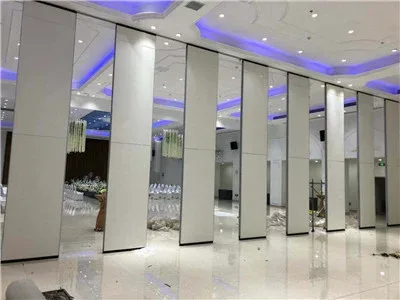
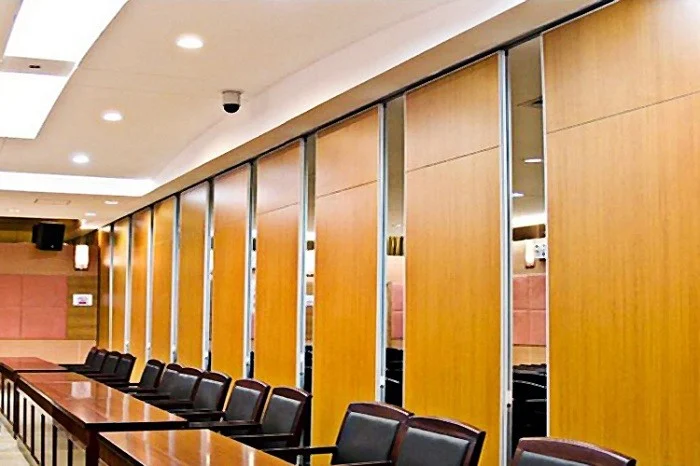
EBUNGE movable wall panels are individually movable, suspended from a top track, cross the opening without a floor track and park at a planned stacking position. Straight, turning and stacking routes are reviewed from the layout. This matters for budgeting because route complexity affects how long a reconfiguration takes.
Every proposed movement path requires a continuous connected overhead route and project-specific support review. The exact route, junction arrangement, continuous overhead path and parking position must be confirmed from the coordinated project drawings. Confirm support, acoustic and dimensional requirements with the project team before finalizing any time allowance.
Evidence note
Time-per-event figures, route feasibility and support requirements are project-specific. They must be confirmed from layout drawings and a project review. This article does not provide measured labor times, acoustic ratings or engineering conclusions.
Account for Peak Demand and Scheduling Conflicts
Annual hours are not spread evenly. Conference seasons, exam periods and event weeks can concentrate reconfiguration demand into short windows. A budget that only uses an annual average may understate peak pressure.
Plot events by month and identify the busiest periods. Then discuss with operations whether those peaks can be smoothed through booking rules or buffer time. Smoothing is a scheduling decision, not a product claim.
Document Assumptions and Review Quarterly
Every hours budget should list its assumptions: the data period, the event categories, the time allowance source and the route review status. When bookings change, update the log and re-run the estimate. A quarterly review keeps the budget aligned with actual demand.
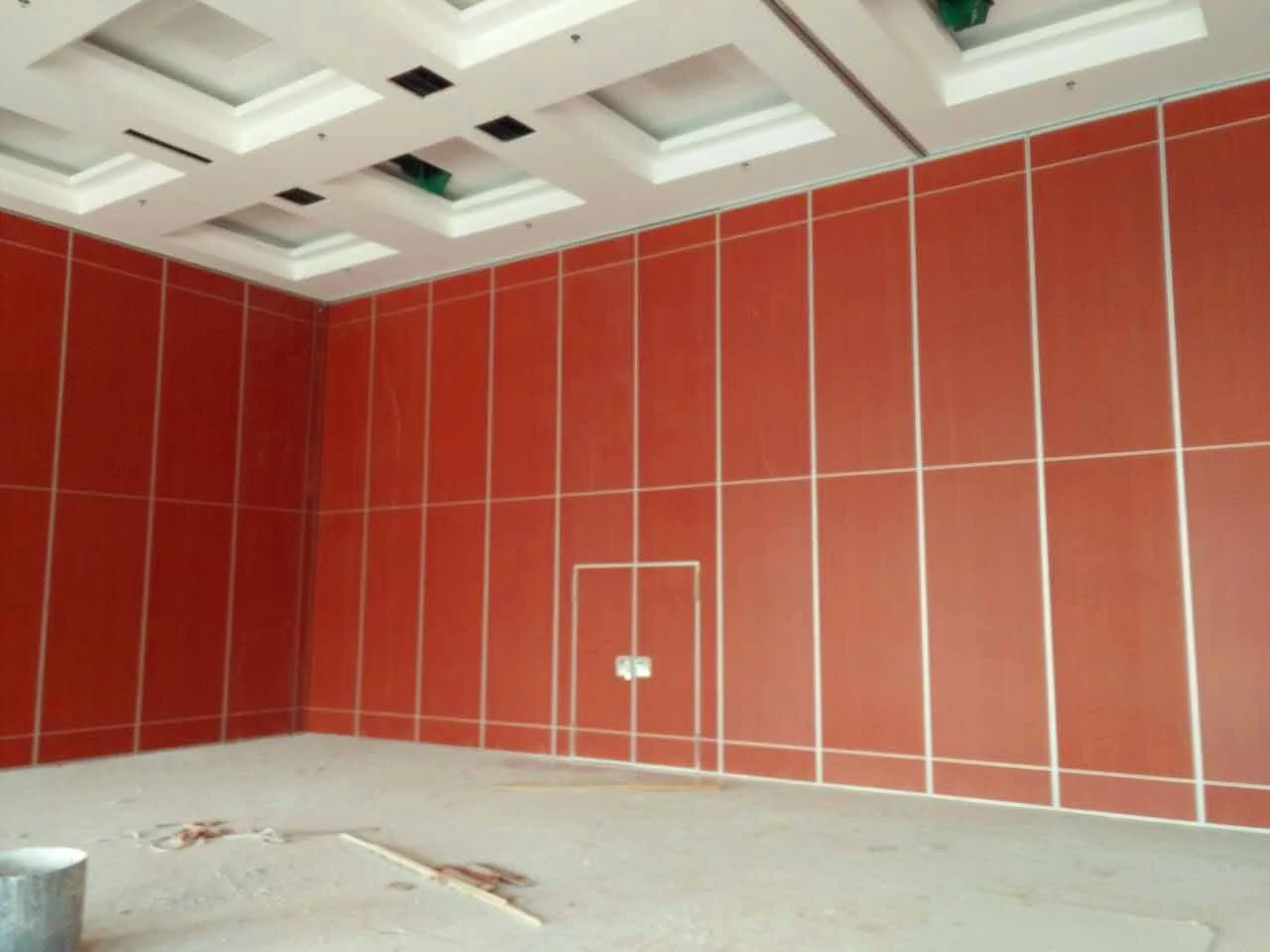
For finish and configuration planning, confirmed finish options include laminate, melamine, fabric, leather, glass and other approved surfaces. Pass-door requirements and project documentation can be discussed with the EBUNGE team. See the movable walls product page and the resources library for maintained product context.
Frequently Asked Questions
What booking data do I need to budget partition reconfiguration hours?
At least twelve months of room booking records, including room group, requested setup and booking times. Flag every booking where the required division differs from the previous booking.
Can I use a standard time per reconfiguration event?
No standard figure applies across projects. Time per event depends on panel count, route complexity, travel distance to the parking position and layout. Confirm it through project-specific review.
How do straight, turning and stacking routes affect the budget?
Route type affects how long a move takes. Straight, turning and stacking routes are reviewed from the layout, and every proposed path requires a continuous connected overhead route and support review.
Do movable partitions need a floor track?
EBUNGE movable wall panels are top-hung and cross the opening without a floor track. The exact overhead route and support arrangement must be confirmed by the responsible project team from coordinated drawings.
How should I present the annual hours estimate?
Present a range with stated assumptions, including the data period, event categories and time allowance source. Note any gaps in booking data rather than filling them with guesses.
When should the estimate be reviewed?
Review quarterly, or whenever booking patterns change significantly. Update the event log and re-run the estimate so the budget stays aligned with demand.
Conclusion
Budgeting annual partition reconfiguration hours from room booking data is a structured planning exercise. Build an event log, classify reconfiguration events, apply a project-specific time allowance and document every assumption. Keep acoustic, support and dimensional questions inside a project review rather than inferring them from a drawing or finish sample.
To discuss pass-door requirements, layout routes or project documentation, contact the EBUNGE team and share your room booking data and layout drawings for a project-specific conversation.