
Quick project answer
Review focus: track fixing method statement.
To interrogate bidder track fixing method statement documents properly, treat the submission as a set of claims that must be matched to your drawings, not as a finished engineering answer. Movable partition panels are individually movable, suspended from a top track, cross the opening without a floor track, and park at a planned stacking position. That single sentence already tells you where the bidder’s method statement must be most precise: the overhead route, the support condition above it, and the parking zone. Everything else in the document should be read against those three anchors.
Why the Method Statement Deserves Separate Scrutiny
Project review term: track fixing method statement.
A method statement is often bundled into a tender pack and reviewed as a formality. For top-hung systems, it is the document that reveals whether the bidder has understood the geometry of your opening. Straight, turning and stacking routes are reviewed from the layout, so a method statement that ignores route geometry is already incomplete.
Procurement teams should separate the commercial offer from the technical narrative. The commercial offer tells you what is being sold. The method statement tells you how the bidder expects the overhead route to be supported, aligned and coordinated with other trades. If the second document is vague, the first document carries more risk than its price suggests.
A Decision Checklist Before You Read the Submission
Coordination scope: track fixing method statement.
Prepare your own reference set first. Reviewing a bidder’s document without your own baseline makes it easy to accept plausible language that does not match your project.
- Current architectural layout showing the opening, turning points and intended parking position.
- Reflected ceiling plan and any overhead structure information available at tender stage.
- Confirmed finish direction, since laminate, melamine, fabric, leather, glass and other approved surfaces may affect coordination.
- Pass-door requirements, if the layout needs them, and how they interact with the panel route.
- Any project documentation you intend to require from the bidder, listed before evaluation begins.
- A named reviewer who can compare the method statement against the drawings rather than against other bidders.
This checklist is not a technical specification. It is a reading aid. Its purpose is to keep the evaluation anchored to your project rather than to the confidence of the prose.
Questions That Expose Whether the Route Was Understood
Checklist focus: track fixing method statement.
Ask the bidder to describe the overhead route in words and to mark it on your layout. A bidder who has studied the drawing can usually trace the path from the opening to the parking position without prompting.
Route and geometry
Where does the track begin and end? How are turning points addressed? Where does the stacking position sit relative to the opening? These questions test comprehension, not performance.
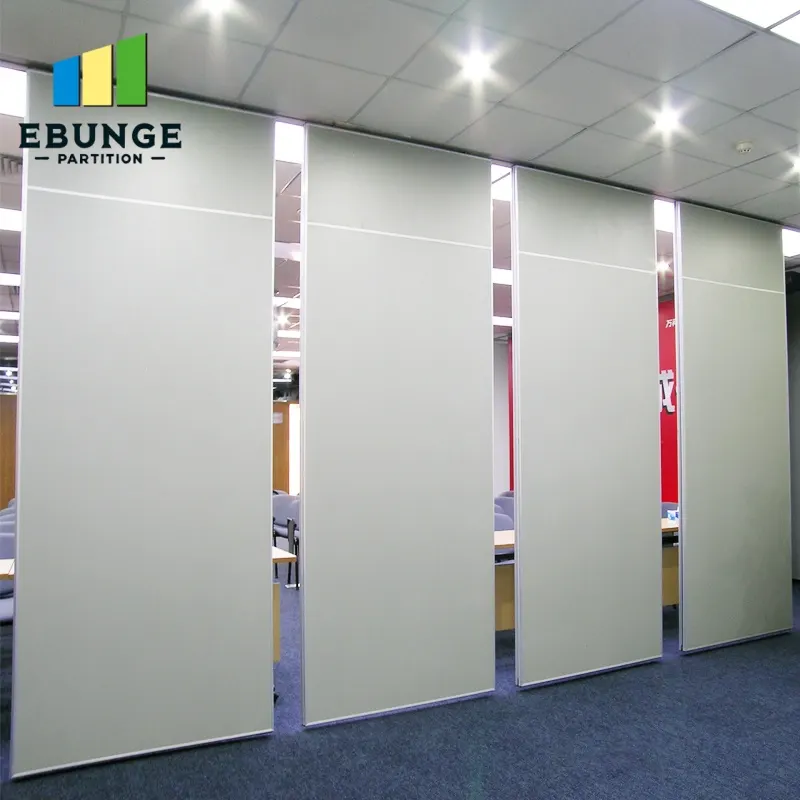
Support interface
The suitability of each route and parking arrangement depends on the approved layout, circulation, ceiling interfaces and operating sequence. A serious answer will identify dependencies rather than assert a universal solution.
Coordination with other trades
Ask how the overhead route interacts with ceiling services, lighting and finishes. The answer should reference your drawings, not a generic sequence.
Reading the Fixing Narrative Without Inventing Engineering
Review focus: track fixing method statement.
You do not need to certify the fixing design to evaluate whether the method statement is complete. You need to see whether the bidder has stated what must be confirmed, by whom, and against which drawing.
Watch for statements that sound definitive but contain no project reference. A method statement that describes a fixing approach without naming the supporting condition it depends on is not more confident; it is less traceable. Equally, a bidder who lists open items is not weaker, provided the open items are the correct ones.
Evidence note: a method statement can only be assessed against the drawings and information available at tender stage. Project-specific support, acoustic and dimensional requirements must be confirmed separately before any fixing approach is treated as final.
Comparing Submissions on a Like-for-Like Basis
Project review term: track fixing method statement.
Use a compact comparison so that narrative quality does not outweigh missing information. The table below is a reading framework, not a scoring formula.
| Review area | What to look for | What remains open |
|---|---|---|
| Route description | Straight, turning and stacking paths traced on your layout | Final coordination with ceiling and services |
| Support interface | Named dependencies and required information | Project-specific structural confirmation |
| Parking position | Stacking location consistent with the layout | Clearance and dimensional confirmation |
| Finish coordination | Reference to approved surface direction | Sample and approval process |
| Documentation | Clear list of what will be submitted | Review and acceptance workflow |
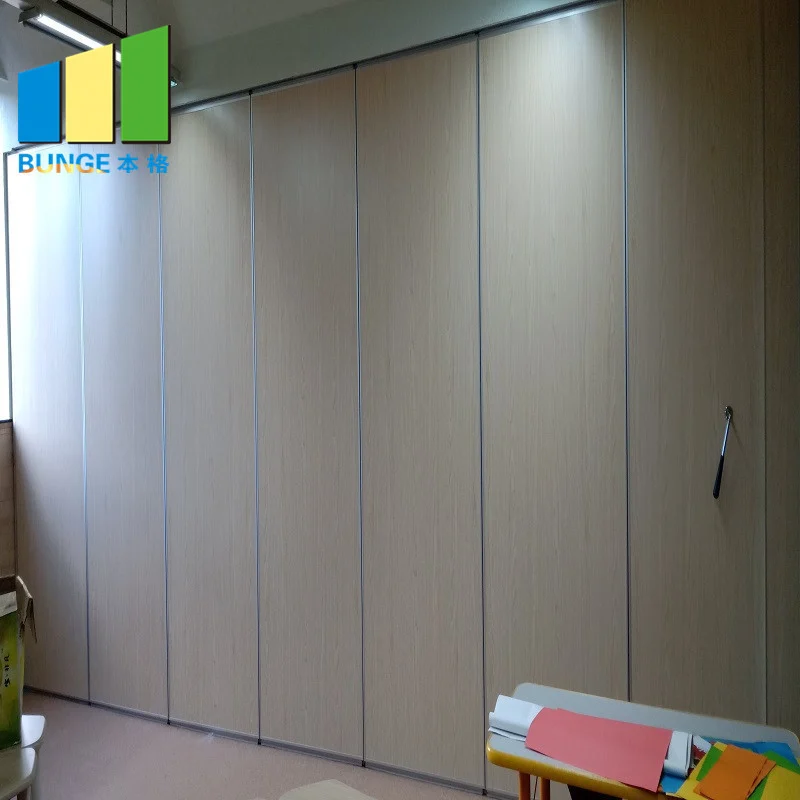
When two bidders describe similar routes, compare the specificity of their dependencies.
Acoustic and Sealing Language: Keep It Conceptual
If acoustic separation matters to your project, ask how the requirement will be confirmed and by what documentation. Do not accept a method statement as evidence of a performance outcome. Confirm project-specific acoustic requirements separately with the relevant specialists.
Red Flags and Reasonable Open Items
Distinguish between gaps that indicate misunderstanding and gaps that reflect genuine tender-stage uncertainty.
- Red flag: a fixing approach described with no reference to the supporting condition.
- The exact route, junction arrangement, continuous overhead path and parking position must be confirmed from the coordinated project drawings.
- Red flag: performance language offered without project-specific confirmation.
- Reasonable open item: a request for confirmed finish direction before detailing interfaces.
- Reasonable open item: a proposed documentation list subject to your review workflow.
Record these distinctions in your tender evaluation notes so that the decision is defensible later.
Turning the Review into a Project Action List
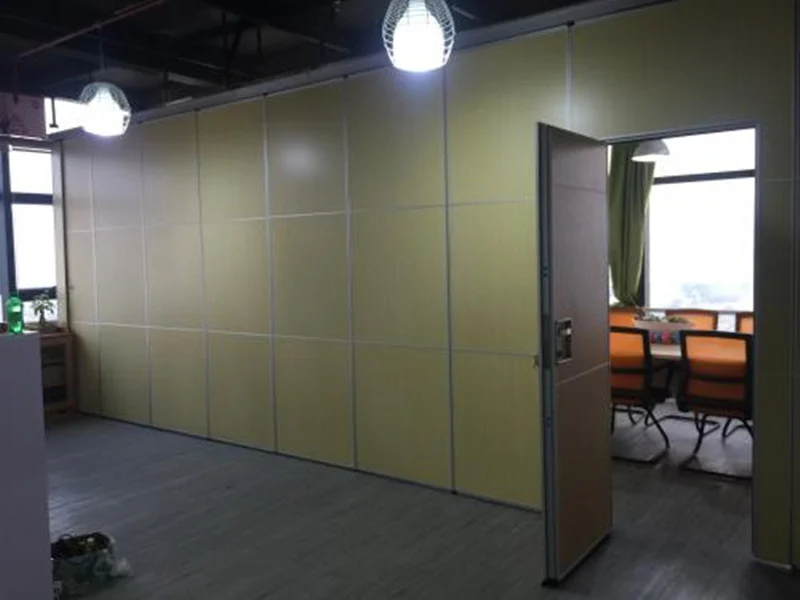
- Issue your layout, ceiling information and finish direction with the tender documents.
- Require the method statement to trace the route on your drawing.
- Ask each bidder to list the information they still need.
- Compare submissions using the same review areas.
- Confirm project-specific support, acoustic and dimensional requirements before acceptance.
- Agree the documentation and review workflow in writing.
This sequence keeps the evaluation tied to evidence rather than presentation. It also gives you a clear record of what was confirmed and what remained open at award.
FAQ: Track Fixing Method Statements in Tender Review
What is a track fixing method statement?
It is a bidder’s written description of how the overhead track is expected to be supported and coordinated. It should reference your layout and identify the information still required before the approach is finalised.
Do movable partitions need a floor track?
EBUNGE movable partition panels are top-hung and move without a continuous floor running track or floor hardware along the partition line.
Can I compare bidders using the same checklist?
Yes. Use the same review areas for every submission, and note where each bidder has identified dependencies rather than assuming they are equivalent.
Should the method statement include acoustic performance?
It may mention acoustic concepts, but it should not be treated as evidence of performance.
What if the bidder lists many open items?
Open items are not automatically a weakness. Check whether they are the correct dependencies for your project.
How do pass doors affect the review?
Pass-door requirements and project documentation can be discussed with the supplier. If your layout includes pass doors, ask how they interact with the panel route and parking position.
Conclusion: Evidence First, Confidence Second
Interrogating a bidder’s track fixing method statement is less about finding the most confident document and more about finding the most traceable one. Anchor your review to the overhead route, the support interface and the parking position. Require the bidder to work from your drawings. Keep acoustic and performance questions in their proper place, and confirm project-specific support, acoustic and dimensional requirements before you accept any approach as final.
For product context, review the movable wall systems and the project resources available to support your tender evaluation. When your drawings are ready, contact EBUNGE to discuss pass-door requirements, documentation and project-specific coordination.