
Quick answer: track zone handover file
Review focus: track zone handover file.
A track zone handover file index before final sign-off is the controlled list that lets a project team trace what was reviewed, what was approved and what remains open. For top-hung movable partitions, the track zone is the overhead route that carries each individually movable panel across the opening and to its planned stacking position. Because panels are suspended from a top track and cross the opening without a floor track, the handover file must describe the overhead route, not a floor line. This article sets out an evidence-bounded indexing framework for contractors, architects, designers, owners and renovation teams. Confirm project-specific support, acoustic and dimensional requirements with the responsible parties before sign-off.
Why the Track Zone Deserves Its Own Index Section
Project review term: track zone handover file.
A general handover file often treats the partition as one line item. That is rarely enough. The track zone connects the opening, the turning or stacking route and the parking position, so several disciplines need to read the same information. If the index does not separate these items, reviewers may approve a finish schedule while the route drawing remains unverified.
An index is not a performance statement. It is a map of documents. Each entry should point to a drawing, schedule, approval or open query, and each entry should state who owns the next action. Where a document does not exist yet, the index should say so rather than imply that a requirement has been satisfied.
Core Documents the Index Should Reference
Coordination scope: track zone handover file.
Start with the documents that define the physical arrangement. The index should name the approved layout drawing, the reflected ceiling or overhead coordination drawing, the elevation or section showing the track zone, and the finish schedule. Where a pass-door is required, the index should reference the agreed pass-door requirement and its related detail.
The suitability of each route and parking arrangement depends on the approved layout, circulation, ceiling interfaces and operating sequence. The index should also include the project documentation set that the team agreed to maintain, such as submittal logs, request-for-information records and meeting minutes that changed the design.
Evidence note: what a drawing can and cannot show
A drawing can show a proposed route, a parking position and a finish location. It cannot, by itself, prove acoustic performance, structural capacity, cleaning compatibility or a completed installation. Those items require their own project-specific confirmation and matching evidence.

Route, Turning and Stacking Entries
Checklist focus: track zone handover file.
Straight, turning and stacking routes should each appear as separate index entries. The exact route, junction arrangement, continuous overhead path and parking position must be confirmed from the coordinated project drawings. Reviewers should be able to open one entry and see the reviewed route, the connected overhead path and the planned parking area.
Every proposed movement path requires a continuous connected overhead route and project-specific support review. If the route changes after approval, the index should record the revision and the reason, so the handover file reflects the final coordinated design rather than an earlier assumption.
Numbered process for building the route index
- List every opening and the intended panel movement for each one.
- Mark each straight, turning and stacking route on the approved layout.
- Cross-check each route against the overhead coordination drawing.
- Record the planned parking position and any agreed stacking arrangement.
- Note any route that still needs support or dimensional confirmation.
- Assign an owner and a review date to every open route item.
Finish, Seal and Interface Entries
Seals and acoustic concepts can be described generically. The index should point to the acoustic requirement stated in the project specification and to the evidence that the responsible party has accepted, rather than restating a rating without its context.
Compact comparison: index entry types

| Entry type | What it should point to | What it must not imply |
|---|---|---|
| Layout | Approved plan and opening locations | That support or acoustics are resolved |
| Route | Straight, turning and stacking paths | That an untracked gap is acceptable |
| Parking | Planned stacking position | That stacking is always compact |
| Finish | Approved surface schedule | That a finish proves performance |
| Open item | Owner, query and review date | That the item is already closed |
Open Items, Revisions and Sign-Off Readiness
A handover file is only useful if it distinguishes closed items from open ones. The index should carry a status column, a revision reference and a named owner for each unresolved question. Where a requirement depends on project-specific support, acoustic or dimensional confirmation, the index should say so plainly instead of leaving a blank that could be read as approval.
Before final sign-off, walk the index against the current drawing set. Confirm that every route entry matches the latest approved layout, that every finish entry matches the approved schedule, and that every open item has an owner and a date. This review does not certify performance; it confirms that the documentation set is complete enough for the responsible parties to make their decisions.
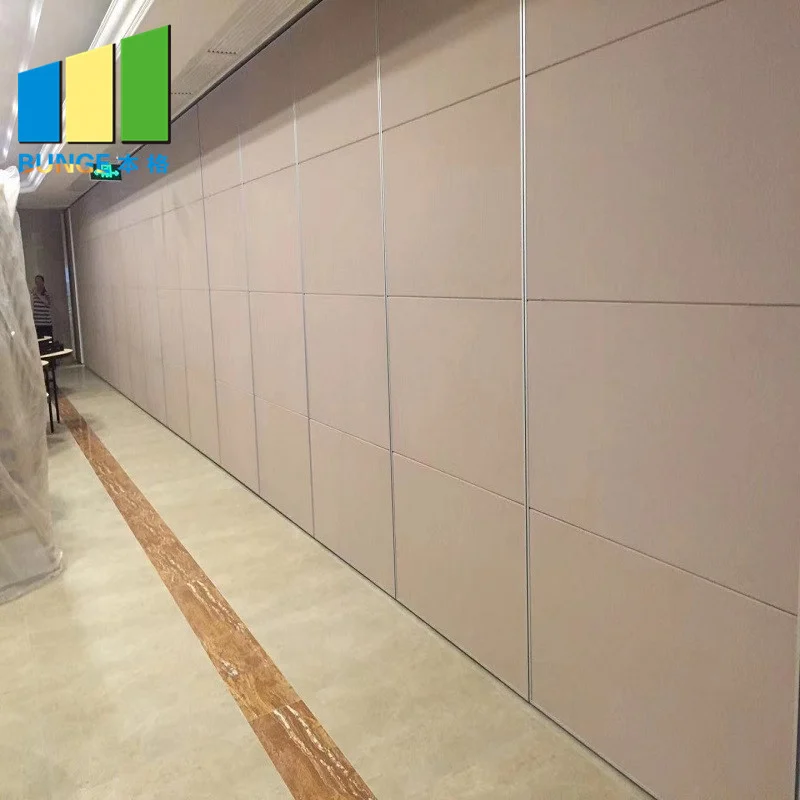
Frequently Asked Questions
What is a track zone handover file index?
It is a controlled list of the drawings, schedules, approvals and open items that relate to the overhead track zone of a movable partition. It helps reviewers trace the approved layout, route and parking position without inferring performance.
Does the index need a separate entry for turning routes?
Yes. Straight, turning and stacking routes should be indexed separately because each may involve different coordination and review. A single generic entry can hide an unresolved route question.
Can a finish schedule prove acoustic performance?
No. A finish schedule records the approved surface.
How should open items be recorded?
Each open item should have a clear description, a named owner, a review date and a reference to the document it affects.
Where can project teams review product context?
Review the movable walls product page and the resources library for maintained public context. The exact overhead route and support arrangement must be confirmed by the responsible project team from coordinated drawings.
When should the index be started?
Start it as soon as the layout and route are first coordinated.
Conclusion and Next Step
A track zone handover file index before final sign-off should make the documentation set readable, traceable and honest about open items. Keep route, parking, finish and interface entries separate, reference the approved drawings, and state clearly where project-specific confirmation is still required.
To discuss pass-door requirements, project documentation or a coordinated layout review, contact the EBUNGE team and share your current drawing set for a project-specific conversation.