
Quick answer: benchmark track fixing preliminaries
Review focus: benchmark track fixing preliminaries.
To benchmark track fixing preliminaries three bidders fairly, you need one common evidence set before you compare anything else. Movable wall panels are individually movable, suspended from a top track, cross the opening without a floor track, and park at a planned stacking position. That single sentence already tells you what every bidder must address: the overhead route, the support condition above it, the parking zone, and the drawings that prove the route is continuous. Without that shared baseline, three bids can look comparable while describing three different scopes.
Why Track Fixing Preliminaries Decide the Comparison
Project review term: benchmark track fixing preliminaries.
Track fixing preliminaries are the early, pre-installation checks that determine whether a suspended partition system can be coordinated with the building structure. They are not the panel finish, the operation, or the final appearance. They are the conditions that must be reviewed before anyone commits to a layout.
When three bidders price the same opening, each may assume a different support condition, a different route, or a different parking position. The result is a comparison of assumptions rather than a comparison of proposals. Benchmarking means forcing those assumptions into the open and checking them against the same drawings.
Build One Shared Evidence Pack First
Coordination scope: benchmark track fixing preliminaries.
Before opening any bid, assemble a single pack and issue it to all three bidders. The suitability of each route and parking arrangement depends on the approved layout, circulation, ceiling interfaces and operating sequence.
Ask each bidder to mark up the same drawing with the proposed overhead route. Straight, turning and stacking routes should be reviewed from the layout, not described in prose. The exact route, junction arrangement, continuous overhead path and parking position must be confirmed from the coordinated project drawings.
Minimum drawing set for a fair comparison
- Plan view showing the opening, adjacent rooms and the intended parking zone.
- Elevation or section showing the overhead condition and any ceiling or soffit interface.
- Marked route drawing from each bidder, using the same base file.
- Written list of assumptions each bidder made where information was missing.
- Confirmation of who reviews support conditions and who approves the final fixing approach.
Score the Preliminaries, Not the Brochure
Checklist focus: benchmark track fixing preliminaries.
Finish options such as laminate, melamine, fabric, leather, glass and other approved surfaces are legitimate parts of a proposal, but they do not answer track fixing questions. Keep the scoring focused on preliminaries so that a strong finish sample does not mask a weak route drawing.
A useful method is to score each bidder on the same five items: route completeness, support review responsibility, parking logic, interface coordination, and documentation clarity. Use a simple scale and record the evidence behind each score. The point is not to rank bidders by presentation quality but to see which proposal can be checked.
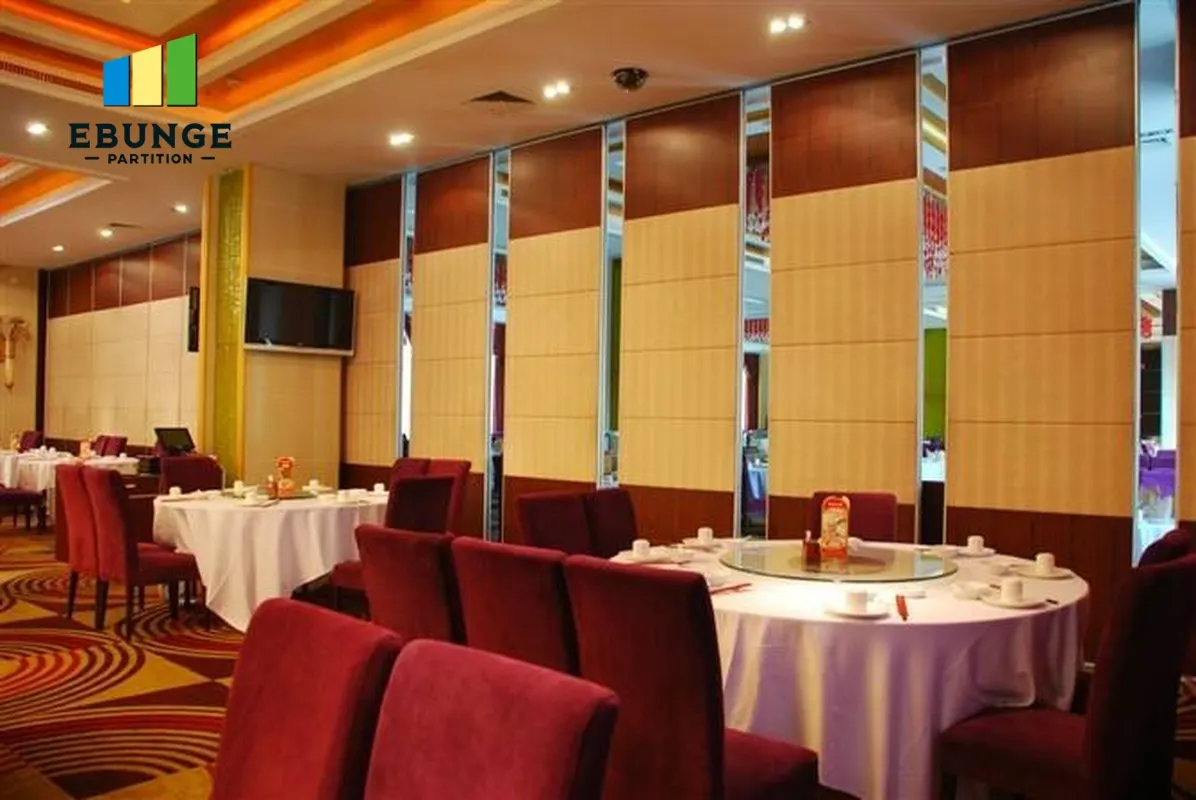
Compact comparison table for three bidders
| Preliminary item | Bidder A evidence | Bidder B evidence | Bidder C evidence |
|---|---|---|---|
| Continuous overhead route marked on shared plan | |||
| Support condition review named and accepted | |||
| Parking position and stacking route shown | |||
| Ceiling, soffit and adjacent interface noted | |||
| Assumptions and exclusions listed in writing |
Interrogate Support and Route Assumptions
Review focus: benchmark track fixing preliminaries.
Support conditions are project-specific. A bidder may describe a fixing approach that suits one structure and not another. Do not accept a generic statement that the track will be supported; ask which drawing, which interface, and which reviewer confirms it.
The same applies to acoustics. If acoustic separation matters to the project, ask how it will be confirmed for the specific assembly, opening and adjacent construction. Confirm project-specific support, acoustic and dimensional requirements with the responsible design team.
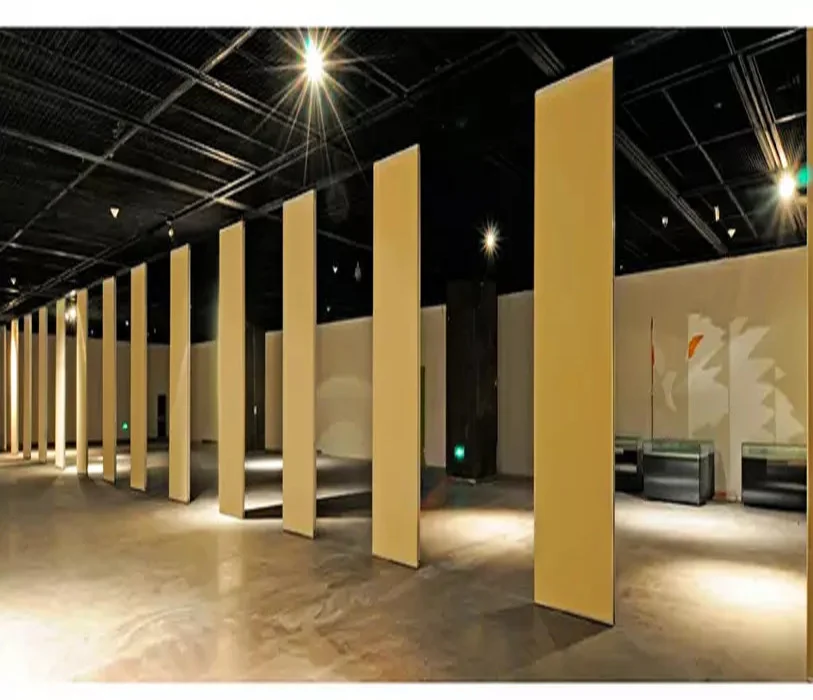
Questions that expose weak preliminaries
- Which drawing shows the complete overhead route, including turns and the stacking zone?
- Who reviews the support condition, and what information do they need from the structural team?
- Where does the parking position sit, and does it conflict with services or adjacent finishes?
- What assumptions were made because the shared pack was incomplete?
- What remains open until project-specific drawings are reviewed?
Normalise Scope and Documentation Across Bids
Project review term: benchmark track fixing preliminaries.
Three bids rarely use identical language. One may include pass-door requirements in the base scope; another may list them separately. One may describe documentation deliverables in detail; another may leave them implied. Normalise these items before comparing anything.
Pass-door requirements and project documentation can be discussed with the supplier, but the discussion should end in a written scope line, not a verbal understanding. If a bidder cannot state what documentation will be issued, treat that as an open item rather than assuming it is included.
Evidence note: what a drawing can and cannot prove
A marked route drawing can show intent and continuity. It cannot, by itself, prove structural capacity, acoustic performance, fire behaviour, durability or compliance. Those require separate project-specific confirmation from the responsible parties.
Run the Three-Bid Review as a Process
Coordination scope: benchmark track fixing preliminaries.
The sequence below keeps the comparison anchored to evidence and prevents the discussion from drifting into presentation quality.
- Issue the shared evidence pack and the same base drawing to all three bidders.
- Require each bidder to return a marked route drawing and a written assumptions list.
- Score the five preliminary items using the comparison table.
- Hold one clarification session per bidder, using the same question set.
- Record open items and assign a reviewer for support, acoustic and dimensional confirmation.
- Reissue the comparison with open items visible, then decide.
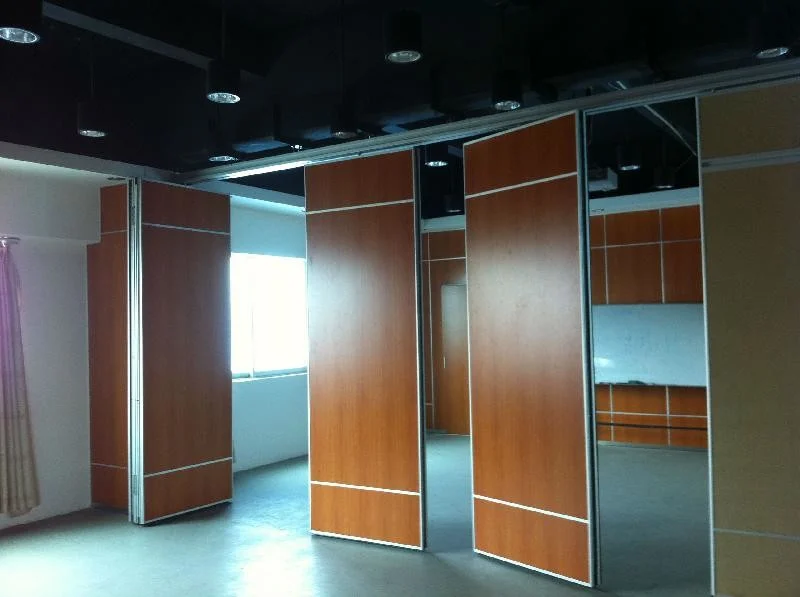
This process does not guarantee that all three bids become equal. It does make the differences visible, which is the actual purpose of benchmarking. You can review related guidance in the EBUNGE resources and examine the movable wall product context before finalising your tender questions.
Frequently Asked Questions
What does benchmarking track fixing preliminaries across three bidders actually mean?
It means comparing the pre-installation track and support assumptions of three proposals against one shared evidence pack, rather than comparing prices or finishes alone. The goal is to see which bidder has addressed the overhead route, support review, parking position and documentation in a checkable way.
Do movable partitions need a floor track?
EBUNGE movable partition panels are top-hung and move without a continuous floor running track or floor hardware along the partition line.
Can I compare acoustic claims between three bidders directly?
Only with care.
What if the shared evidence pack is incomplete?
State the gaps clearly and ask each bidder to list the assumptions they made. An incomplete pack is normal at tender stage; the risk is letting each bidder fill the gaps differently without saying so.
How should parking and stacking be compared?
Ask each bidder to show the parking position and stacking route on the same base drawing. Parking style is customised to the customer layout and project requirements, so the comparison should be against your layout, not a generic description.
When should we involve the supplier?
Early enough to review the route and support questions before the bid is finalised. Pass-door requirements and project documentation can be discussed directly, and project-specific support, acoustic and dimensional requirements should be confirmed with the responsible design team.
Conclusion and Next Step
Benchmarking track fixing preliminaries across three bidders is less about scoring and more about equalising the information. Give every bidder the same drawings, ask for the same marked routes and assumptions, and score the same preliminary items. Where information is missing, record it as an open item instead of accepting an implied answer.
If you are preparing a tender and want to discuss route drawings, pass-door requirements or project documentation, contact EBUNGE to review the project-specific details before you compare final bids.