
Quick answer: track interface query triage before
Review focus: track interface query triage before.
The exact overhead route and support arrangement must be confirmed by the responsible project team from coordinated drawings. The suitability of each route and parking arrangement depends on the approved layout, circulation, ceiling interfaces and operating sequence. If queries are left until after tender, bidders may price assumptions rather than the coordinated design. This article sets out a triage method that keeps every recommendation tied to maintained product facts, visible evidence limits and project-specific drawing review.
Why Track Interface Queries Deserve Early Triage
Project review term: track interface query triage before.
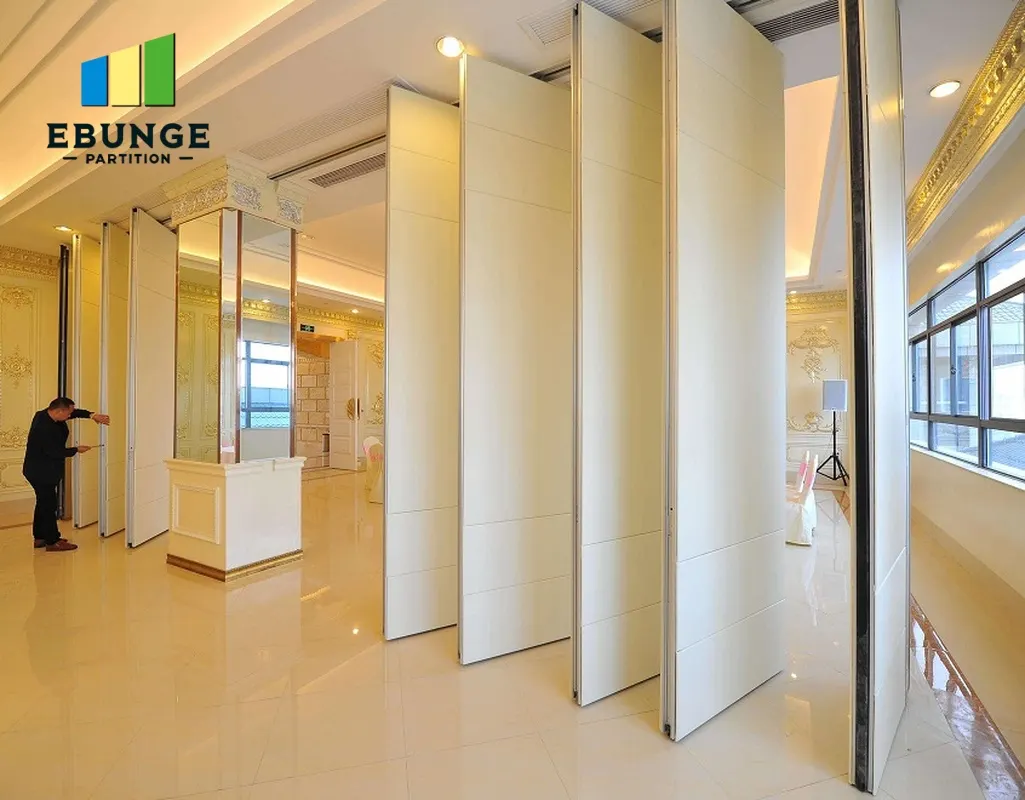
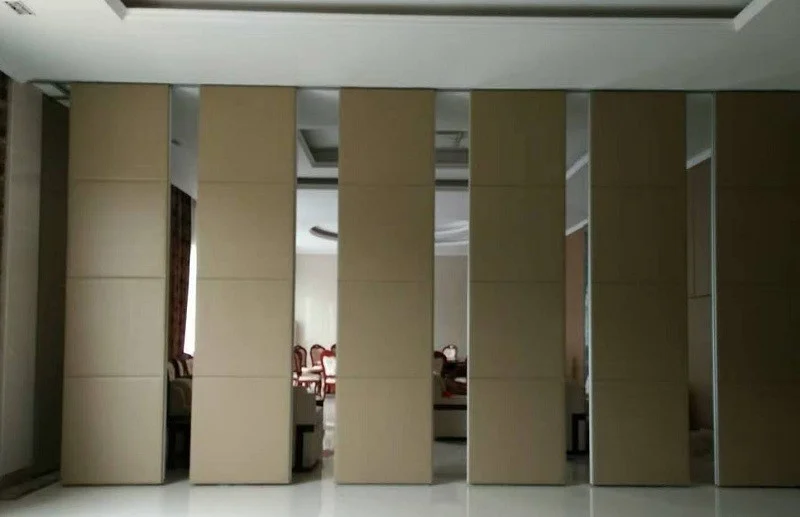
Movable wall panels are individually movable and suspended from a top track. They cross the opening without a floor track and park at a planned stacking position. That simple description hides a coordination load: the track must follow a continuous connected overhead route, and every straight, turning and stacking route must be reviewed from the layout. A query about a track interface is rarely only about the track.
Triage before tender is not about solving every detail. It is about classifying what is known, what must be confirmed and what cannot be inferred from a drawing alone. That classification protects the tender from hidden assumptions and gives bidders a clear basis for their proposals.
A Three-Bucket Triage Method for Track Queries
Coordination scope: track interface query triage before.
Use three buckets to sort every track interface query. The goal is to move each item to a clear owner and a clear evidence requirement.
- Drawing-confirmed: the route, opening width and parking position are shown on coordinated architectural drawings and do not conflict with visible structure or services.
- The exact route, junction arrangement, continuous overhead path and parking position must be confirmed from the coordinated project drawings.
Bucket three is the most important discipline. Visible references can support layout discussion but do not verify hidden construction or performance. A parking layout does not prove that every panel can reach its stack position without obstruction. When a query falls into bucket three, the correct action is to state the confirmation boundary, not to fill the gap with an assumption.
Information to Collect Before the Tender Query Deadline
Checklist focus: track interface query triage before.
Early triage depends on having the right information in one place. The following checklist is not a substitute for project-specific engineering, but it helps architects identify what is missing before bidders ask.
- Coordinated plan showing the full movement path, including straight runs, turning points and the planned stacking position.
- Reflected ceiling plan and ceiling zone information along the track route.
- Opening dimensions, adjacent wall conditions and finish interfaces.
- Pass-door requirements and any access needs through the partition line.
- Acoustic intent stated as a project requirement, not as a product claim.
- Finish direction, including laminate, melamine, fabric, leather, glass or other approved surfaces.
- Documentation expectations for the tender package.
If any item is unavailable, record it as an open query rather than allowing a default assumption to enter the tender.
How to Read Track Routes and Stacking Positions
Review focus: track interface query triage before.
Straight, turning and stacking routes
Each route type has a different interface question. A straight route is mainly about continuous overhead support and alignment with the opening. A stacking route raises questions about where panels park, how they are arranged and whether the parking position conflicts with other building elements. All three must be reviewed from the layout, not from a generic detail.
Continuous overhead route
Every proposed movement path requires a continuous connected overhead route and project-specific support review. If a drawing shows a break in the route, the triage should flag it as a coordination item, not as a minor detail.
Parking position and clearance
Parking style is customized to the customer layout and project requirements and may support compact stacking when the coordinated design permits it. The triage question is whether the chosen parking position is shown, dimensioned and coordinated with adjacent services or finishes.
Evidence Boundaries for Acoustic and Performance Queries
Acoustic queries often arrive as requests for a single number. For tender triage, the useful step is to state the acoustic intent, identify the project-specific requirement and confirm what documentation will be provided.
Evidence note: If a query asks for a performance value, structural capacity, fire rating, maintenance outcome or commercial result that is not supported by maintained project evidence, mark it as not inferable and request project-specific confirmation.
Documentation and Pass-Door Queries in the Tender Package
Pass-door requirements and project documentation can be discussed as part of the coordination process. The triage should identify whether a pass door is needed, where it sits in the partition line and how it interacts with the track route and parking position. Documentation queries should be grouped so bidders receive a consistent package. If a document is not available at tender, state that it will be confirmed during the project-specific review rather than leaving bidders to guess.
Common Triage Mistakes and How to Avoid Them
One common mistake is treating a track drawing as proof of support. Another is allowing a finish selection to stand in for acoustic or durability evidence. A third is leaving the stacking position unresolved because it seems like a later detail. Each of these can create tender assumptions that are difficult to unwind.
A useful countermeasure is a short query log with three columns: query, bucket and required confirmation. This log can travel with the tender package and gives every stakeholder a shared view of what is settled and what remains open.
Frequently Asked Questions
What is an architect track interface query triage before tender?
It is a structured review that sorts track-related queries into drawing-confirmed items, project-specific confirmation items and items that cannot be inferred from available evidence. The purpose is to reduce assumptions before bidders price the work.
Can movable partitions cross an opening without a floor track?
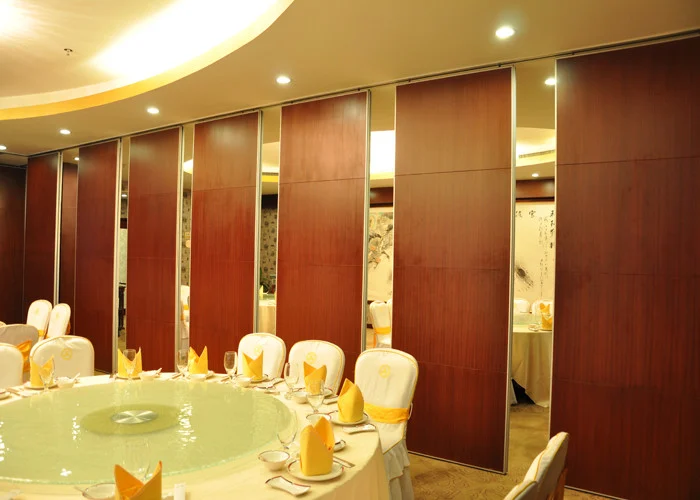
Yes. EBUNGE movable partition panels are top-hung and move without a continuous floor running track or floor hardware along the partition line. The overhead route must still be continuous and supported according to the project design.
How should acoustic requirements be handled in the tender query?
State the acoustic intent and the project-specific requirement.
What finish options can be discussed during triage?
Confirmed finish options include laminate, melamine, fabric, leather, glass and other approved surfaces.
When should pass-door requirements be raised?
Pass-door requirements and project documentation can be discussed during the triage stage. Raising them early helps coordinate the track route, parking position and partition layout before tender.
What should be done if support information is missing?
Mark the item as requiring project-specific confirmation. The project team should confirm support, acoustic and dimensional requirements before finalizing the tender package.
Conclusion: Triage as a Coordination Habit
A track interface query triage before tender is most useful when it becomes a repeatable habit rather than a one-off exercise. By sorting queries into clear buckets, collecting the right layout information and stating evidence boundaries, architects can give bidders a cleaner basis for pricing and reduce the risk of post-tender surprises. Every project still requires confirmation of support, acoustic and dimensional requirements.
To discuss project documentation, pass-door requirements or movable wall coordination for an upcoming tender, contact EBUNGE. You can also review movable wall products and browse project resources for further planning context.