
Quick project answer
Review focus: track zone handover file.
A track zone handover file index final acceptance review is not a single certificate. It is a structured record that lets the project team trace what was reviewed, what remains open and which items require project-specific confirmation. For top-hung movable partitions, the track zone is the overhead route that carries each panel. Because panels move individually without a continuous floor track, the handover file must show how the approved route, parking position and interfaces were documented. This article sets out an evidence-bounded indexing framework for contractors, architects, designers, owners and construction teams.
Why the Track Zone Needs Its Own Index
Project review term: track zone handover file.
A general handover file often groups all partition information together. That can hide the track zone, which is the part of the installation most likely to interact with structure, ceiling services and adjacent finishes. The track zone is also where movement routes are reviewed. Straight, turning and stacking routes are checked from the layout, not assumed from a product photograph.
An index helps reviewers find the relevant drawing, the approved route and the open-item list without searching through unrelated documents. Visible references can support layout discussion but do not verify hidden construction or performance.
Core Documents to Index Before Final Acceptance
Coordination scope: track zone handover file.
Start with the documents that define the agreed scope. The index should reference the current layout drawing, the approved track route and the planned parking position. If the project includes pass-door requirements, those should be indexed as a separate coordination item. Project documentation can be discussed with the supplier, but the file should show what was actually reviewed.
Drawing and route references
Index the drawing number, revision and date for every route drawing. A route that turns or stacks needs a clear reference so the reviewer can confirm the overhead path is continuous and connected. The exact route, junction arrangement, continuous overhead path and parking position must be confirmed from the coordinated project drawings. Every proposed movement path requires a continuous connected overhead route and project-specific support review.
Finish and interface records
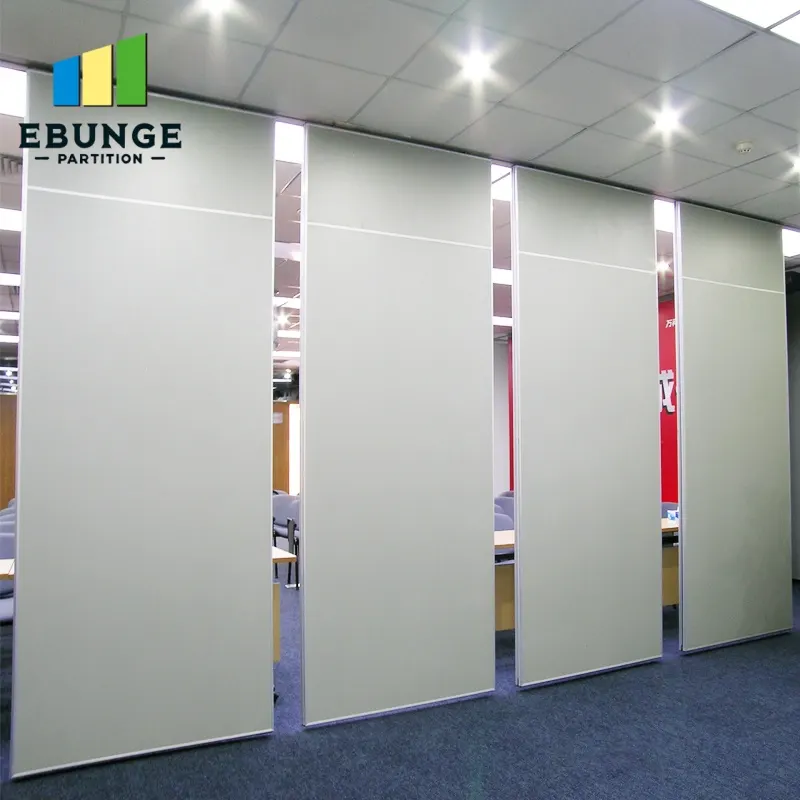
Confirmed finish options include laminate, melamine, fabric, leather, glass and other approved surfaces. The index should record which finish was approved for each panel group and where the approval is filed. It should also note interfaces with adjacent ceilings, walls and services, because these are common sources of final acceptance questions.
Movement Route Evidence and Its Limits
Checklist focus: track zone handover file.
Movement route evidence is often misunderstood. The handover file should separate what is visible on the drawing from what requires separate project-specific confirmation.
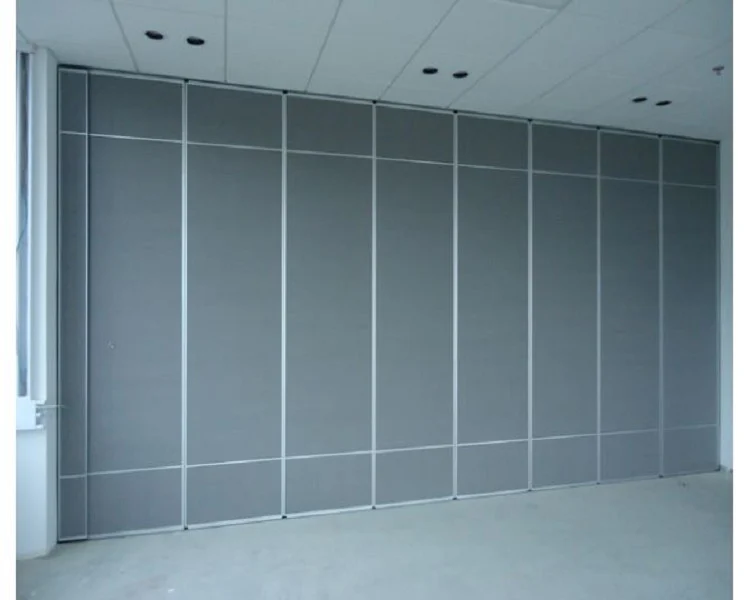
- Straight route: index the drawing that shows the overhead path and the opening it crosses.
- Stacking route: index the planned parking position and any clearance notes reviewed for the project.
This separation matters because a route drawing is not a support calculation. The suitability of each route and parking arrangement depends on the approved layout, circulation, ceiling interfaces and operating sequence. The project team should confirm acoustic requirements with the appropriate specialists.
Acoustic and Seal Documentation Boundaries
If acoustic documentation is part of the project, index it as a separate evidence item and confirm that it matches the specified configuration.
If that evidence is not available, the item should remain open rather than being closed by assumption.
A Practical Indexing Checklist
Use a checklist to keep the index consistent across rooms and phases. The checklist below is a framework, not a substitute for project-specific review.
- Confirm the current layout drawing and revision are indexed.
- Index the approved straight, turning and stacking routes.
- Record the planned parking position and any reviewed clearance notes.
- Index finish approvals for laminate, melamine, fabric, leather, glass or other approved surfaces.
- Index pass-door requirements if they apply to the opening.
- Separate support, acoustic and dimensional confirmations from visible drawing evidence.
- List open items with a responsible party and a review date.
This checklist helps reviewers see the difference between a documented route and a confirmed engineering outcome. It also keeps the file useful after final acceptance, when maintenance or future reconfiguration questions arise.
Common Final Acceptance Gaps
Several gaps appear repeatedly in handover reviews. One is an index that lists documents without linking them to the track zone. Another is a route drawing that is not matched to the approved parking position. A third is a finish approval that is filed separately from the panel schedule.
Open-item tracking
Open items should be indexed with a clear description, the evidence still required and the person responsible for closing them. This prevents a final acceptance meeting from becoming a search for missing information.
Revision control
Revision control is essential. If a route drawing changes, the index should show the superseded version and the current approved version. Without this, reviewers may rely on outdated information.
FAQ: Track Zone Handover File Index Questions
What is a track zone handover file index?
It is a structured list that references the drawings, route approvals, finish records and open items relevant to the overhead track zone. It helps reviewers find the right evidence before final acceptance.

Does the index prove acoustic performance?
No.
Should every movement route be indexed?
Yes. Straight, turning and stacking routes should be indexed from the layout. Each proposed movement path requires a continuous connected overhead route and project-specific support review.
How are finishes recorded in the index?
Record the approved finish for each panel group. Confirmed options include laminate, melamine, fabric, leather, glass and other approved surfaces. The index should point to the approval record, not restate it as a performance claim.
What if pass doors are required?
Pass-door requirements should be indexed as a separate coordination item. They can be discussed with the supplier, but the file should show what was reviewed for the project.
Can the index be used for future renovations?
It can be a useful reference, but it does not replace a new project-specific review. Support, acoustic and dimensional requirements should be confirmed again for any future change.
Conclusion and Next Steps
A track zone handover file index should make the final acceptance review clearer, not more complicated. Index the current drawings, the approved routes, the planned parking position, finish approvals and open items. Keep visible evidence separate from project-specific confirmations for support, acoustics and dimensions. This approach helps contractors, architects, designers, owners and construction teams close out the installation with a file that can be reviewed and maintained.
To discuss project documentation, pass-door requirements or movable wall configuration for your layout, contact EBUNGE. You can also review the movable wall product range and explore further planning resources before final acceptance.