
Quick answer: bidder track fixing preliminaries without
Review focus: track fixing preliminaries without.
When you need to score bidder track fixing preliminaries without marking guide, the absence of a formal rubric is not a dead end. It is a signal to build your own evidence-bounded framework from the drawings, specifications and product facts you already hold. This article sets out a repeatable method for procurement and tender review teams who must compare submissions fairly, without inventing performance claims or relying on hidden assumptions.
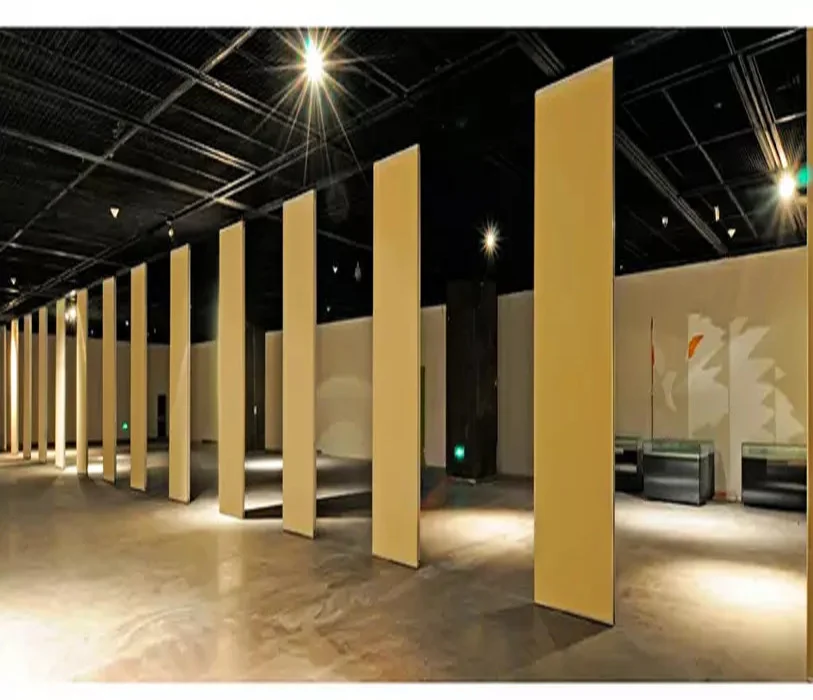
EBUNGE movable wall panels are individually movable, suspended from a top track, cross the opening without a floor track, and park at a planned stacking position. Those maintained facts give you a stable baseline. The exact route, junction arrangement, continuous overhead path and parking position must be confirmed from the coordinated project drawings. Use the framework below to keep scoring transparent and defensible.
Why a Missing Marking Guide Is Not a Scoring Vacuum
Project review term: track fixing preliminaries without.
A marking guide usually tells evaluators where to award points. Without one, teams often default to intuition or to the most polished narrative. Both are risky. The suitability of each route and parking arrangement depends on the approved layout, circulation, ceiling interfaces and operating sequence.
It means you need a consistent lens. Every bidder should be scored against the same evidence categories, and every score should be traceable to something a reviewer can point to. If a claim cannot be traced, it should not earn points — it should trigger a clarification request.
Build a Scoring Spine Before You Open Any Bid
Coordination scope: track fixing preliminaries without.
Before reading submissions, agree on the categories that matter for track fixing preliminaries. A useful spine separates what is visible from what must be confirmed. Visible items include drawing completeness, route logic and interface notes. The exact overhead route and support arrangement must be confirmed by the responsible project team from coordinated drawings.
Keep the spine short. Five to seven categories are usually enough. Each category should have a clear evidence source and a defined confirmation boundary.
Category 1: Drawing and Route Evidence
Ask whether the submission shows the overhead route from the opening to the parking position. Straight, turning and stacking routes should be reviewed from the layout. A bidder who shows only the closed position has not demonstrated route thinking. A bidder who shows the full path — even schematically — gives evaluators something concrete to assess.
Category 2: Support and Interface Notes

Track fixing depends on the supporting structure above. Do not award points for assumed capacity. Award points for clear identification of the interface and a stated path to confirmation.
Category 3: Parking and Stacking Logic
Parking style is customized to the customer layout and project requirements and may support compact stacking when the coordinated design permits it. Score how clearly the bidder describes the planned stacking position and how it relates to adjacent rooms, corridors or fixed elements.
Category 4: Finish and Surface Coordination
Confirmed finish options include laminate, melamine, fabric, leather, glass and other approved surfaces.
Category 5: Documentation and Clarification Readiness
Pass-door requirements and project documentation can be discussed. Score whether the bidder identifies what information they need from the project team and what they will provide in return. A bidder who flags open items is often more reliable than one who claims everything is resolved.
A Compact Scoring Table You Can Adapt
Checklist focus: track fixing preliminaries without.
The table below is a starting point, not a mandated rubric. Adjust weights to suit your project and record the rationale for each score.
| Scoring category | Evidence to look for | Confirmation boundary |
|---|---|---|
| Route evidence | Overhead path from opening to parking position | Project-specific layout review |
| Support interface | Track-to-structure interface noted | Structural confirmation required |
| Parking logic | Planned stacking position described | Coordinated design confirmation |
| Finish coordination | Approved surface options listed | Design intent confirmation |
| Documentation readiness | Open items and pass-door needs flagged | Project documentation discussion |
How to Score Without Inventing Performance
Review focus: track fixing preliminaries without.
If a bidder mentions acoustic intent, score the clarity of the coordination path, not an unverified rating.
Panel handling and the operating sequence must be confirmed for the selected layout and project conditions. The absence of such claims is not a weakness. It is often a sign that the bidder understands the evidence boundary.
Use Clarification Requests as a Scoring Tool
When a submission is ambiguous, issue a clarification request rather than guessing. The response can then be scored on its specificity.
Separate Compliance from Quality
Compliance asks whether the bidder addressed a requirement. Quality asks how well they addressed it. Without a marking guide, it is easy to blend the two. Keep them separate: first confirm the item is present, then assess the depth of evidence behind it.
Common Traps When No Marking Guide Exists
One trap is rewarding length. A long narrative can feel thorough while containing no verifiable route or interface detail. Another trap is penalising brevity. A concise submission that clearly flags open items may be stronger than a verbose one that hides assumptions.
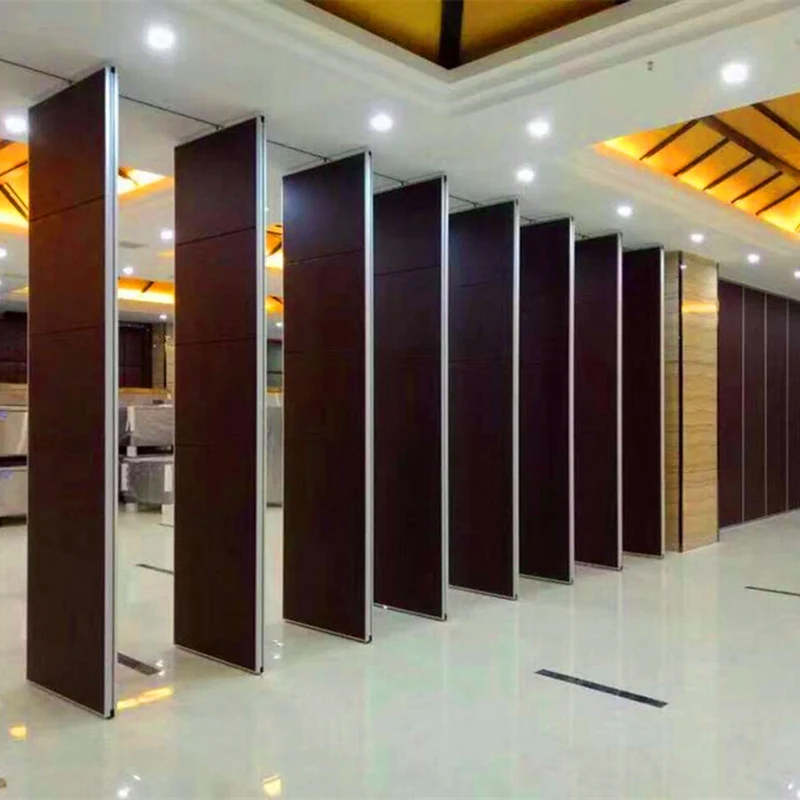
Do not derive hidden performance from a visible shape, finish or photograph. If the evidence is not in the submission or the project documents, it does not earn points.
FAQ: Scoring Track Fixing Preliminaries
What if the tender has no marking guide at all?
Build your own evidence categories before reading bids. Agree on what counts as visible evidence and what requires project-specific confirmation. Score consistently across all bidders and record the rationale for each score.
Can I score acoustic performance from the submission?
Only if the project documents provide a confirmed basis. Without project-specific acoustic requirements and matching evidence, score the coordination path rather than an unverified rating.
How do I evaluate track fixing without structural drawings?
Do not award points for assumed capacity.
Should parking and stacking be scored separately?
Yes, if the layout includes a planned stacking position. Parking style is customized to the customer layout and project requirements and may support compact stacking when the coordinated design permits it. Score how clearly the bidder describes that position and its coordination.
What documentation should I ask bidders to provide?
Ask for the drawings, schedules and clarification notes that show the overhead route, support interface, parking logic and finish coordination. Pass-door requirements and project documentation can be discussed with the project team to align expectations.
How do I keep scoring fair across bidders?
Use the same categories, the same evidence standard and the same clarification process for every submission. Document why each score was given. If a claim cannot be traced to visible evidence or a confirmed project fact, it should not earn points.
Conclusion and Next Step
Scoring bidder track fixing preliminaries without a marking guide is possible when the evaluation is built on visible evidence, maintained product facts and clearly stated confirmation boundaries. Start with a short scoring spine, separate compliance from quality, and use clarification requests to resolve ambiguity rather than guessing.
For maintained product context, review the movable walls product page. For broader planning resources, see the resources section.