
Quick answer: track fixing crew
Review focus: track fixing crew.
When ceiling zones close out of order, the track fixing crew sequencing ceiling zone closure order becomes a coordination problem rather than a simple trade sequence. Movable wall panels are individually movable, suspended from a top track, cross the opening without a floor track and park at a planned stacking position. That means the overhead route must be continuous and supported before panels can travel. If ceiling zones close in a different order than the layout assumed, the project team needs a clear method for reviewing what is ready, what is blocked and what must be confirmed from project-specific drawings.
This article offers an evidence-bounded framework for contractors, architects, interior designers, owners and construction teams. The suitability of each route and parking arrangement depends on the approved layout, circulation, ceiling interfaces and operating sequence. Every recommendation should be checked against the approved layout, support conditions and project documentation.
Why Ceiling Zone Closure Order Affects Track Fixing
Track fixing is not an isolated activity. The top track follows the straight, turning and stacking routes shown on the layout. If a ceiling zone closes before the route is reviewed, access for fixing may be limited, and later changes can become more disruptive.
In many projects, ceiling zones are closed by different trades on different dates. A zone may be closed for inspection, fire-stopping or finish reasons before the movable wall route is fully coordinated. The project team should treat each closed zone as a constraint, not as an automatic approval to proceed.
What the layout must show
The layout should identify the straight, turning and stacking routes. It should also show where panels park and how they cross the opening. If the layout does not show these routes clearly, the track fixing crew cannot confirm that the proposed movement path is continuous and supported.
What closure order changes
When zones close out of order, the crew may need to work in a sequence that differs from the original plan. That is a planning issue, not a product limitation. The team should map which zones are open, which are closed and which routes remain accessible.
A Coordination Framework for Out-of-Order Closure
Use a simple framework to decide when the track fixing crew can enter a zone. The framework should be based on visible readiness and confirmed project information, not on assumptions about hidden conditions.
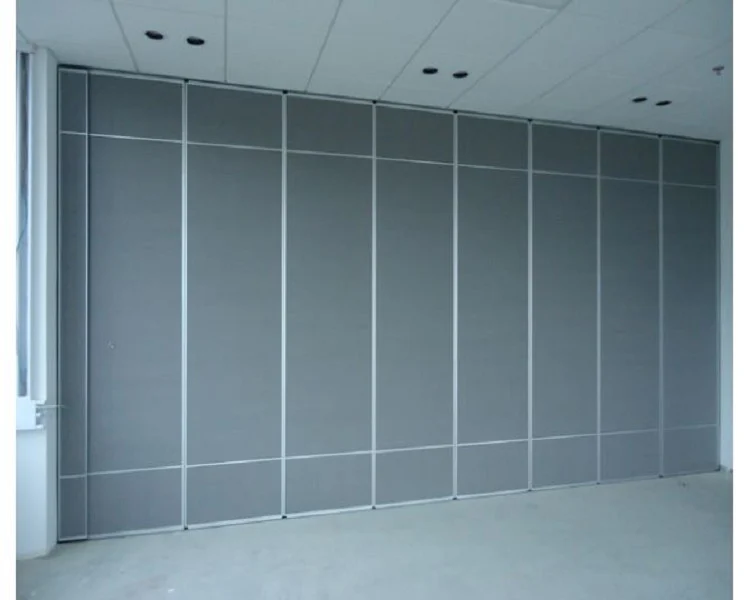
- Confirm the route. Check that the straight, turning and stacking routes are shown on the approved layout and that the overhead path is continuous.
- Confirm support review. Verify that the project-specific support requirements for the track have been reviewed by the responsible party.
- Confirm access. Check that the zone is accessible for the crew and that closure does not block the route.
- Confirm interfaces. Check how the track connects to adjacent zones and whether any transition details require coordination.
- Record the decision. Note which zones are ready, which are blocked and what must be confirmed before the next crew entry.
This sequence keeps the crew focused on confirmed work. Panel handling and the operating sequence must be confirmed for the selected layout and project conditions.
Decision checklist before crew entry
- Approved layout shows straight, turning and stacking routes.
- Overhead route is continuous across the opening and into the parking position.
- Support conditions have been reviewed for the specific project.
- Ceiling zone closure does not prevent access to the track line.
- Interfaces with adjacent zones are identified.
- Any pass-door requirements have been discussed and documented.
- Project documentation is available for the crew.
Sequencing Crews When Zones Close Early
If a ceiling zone closes early, the track fixing crew may need to work from an adjacent open zone or wait until the route can be reviewed. The project team should decide whether partial fixing is appropriate. Partial fixing can create a discontinuity if the next zone cannot be connected later.
Where zones close out of order, the team should prioritize routes that serve multiple zones. A main route may need to be fixed before secondary routes, because it affects how panels travel and park. The stacking position is part of this route.
Working with other trades
Ceiling closures often involve other trades. The track fixing crew should not be asked to work around unconfirmed ceiling conditions. A short coordination meeting before closure can identify which zones are ready and which need further review.
Documenting the sequence
Keep a simple record of zone status, crew entry dates and outstanding confirmations. This record helps the project team avoid rework and gives the owner a clear view of what remains. It also supports the final handover documentation.
Evidence Boundaries and Project-Specific Confirmation
Those items require project-specific review.
Similarly, the finish options for movable wall panels include laminate, melamine, fabric, leather, glass and other approved surfaces. Finish selection does not by itself confirm acoustic, fire or durability performance. Those claims require matching evidence. The project team should confirm finish compatibility with the approved specification and the project documentation.
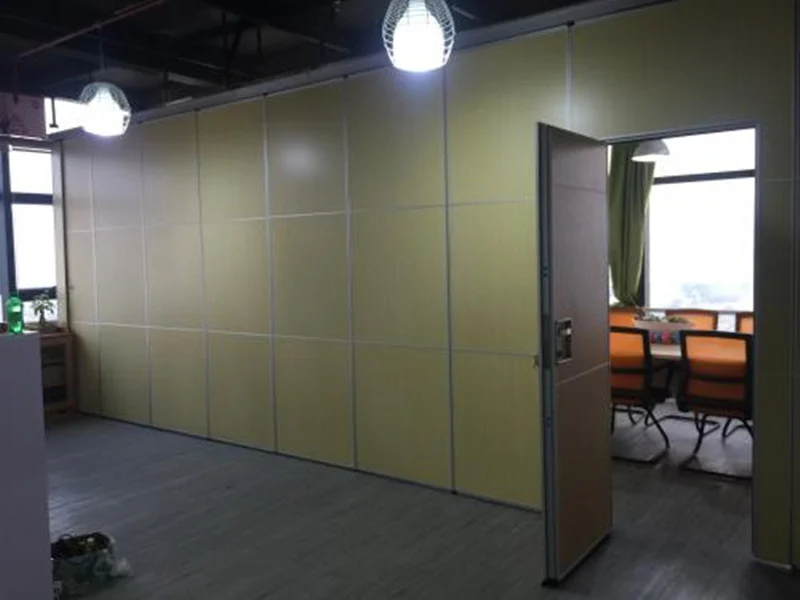
Visible references can support layout discussion but do not verify hidden construction or performance. Confirm each project-specific requirement with the responsible engineer, acoustic consultant or supplier documentation.
Reviewing the Layout Before Closure
The layout is the primary coordination tool. It should show how panels move, where they park and how the track connects across zones. If the layout is incomplete, the track fixing crew cannot verify the route. The project team should review the layout before ceiling zones close, especially when closure order is uncertain.
For complex projects, a drawing review meeting can help. The meeting should include the contractor, the movable wall supplier and the trades responsible for ceiling closure. The goal is to confirm that the overhead route is continuous and that the support conditions have been reviewed. Any pass-door requirements should also be discussed at this stage.
Questions to ask before fixing track
- Is the overhead route continuous across all zones?
- Has the support condition been reviewed for each zone?
- Does the closure order block access to any part of the route?
- Are the stacking positions still reachable?
- Are pass-door requirements documented?
- Is the project documentation available to the crew?
Frequently Asked Questions
What is track fixing crew sequencing ceiling zone closure order?
It is the planned order in which track fixing crews enter ceiling zones when those zones close at different times. The sequence should follow the approved layout and the confirmed overhead route, not simply the order in which ceilings are closed.
Can track be fixed after a ceiling zone is closed?
It depends on access and the project-specific design. If the closed zone prevents access to the track line or the route cannot be reviewed, fixing may need to wait. The project team should confirm access and support conditions before proceeding.
What should the layout show for track fixing?
The layout should show straight, turning and stacking routes, the parking position and how panels cross the opening. It should also identify interfaces with adjacent zones. If these items are missing, the crew cannot confirm the route.
Does finish selection affect track fixing sequence?
Finish selection does not change the need for a continuous overhead route.
How should acoustic requirements be handled?
Acoustic requirements should be confirmed with the responsible acoustic consultant and supported by project-specific evidence.
When should the project team review the sequence?
The review should happen before ceiling zones close, or as soon as the closure order becomes uncertain. Early review helps the team identify blocked routes and confirm what must be documented before crew entry.
Conclusion and Next Steps
Sequencing track fixing crews when ceiling zones close out of order requires a disciplined approach: confirm the route, review support conditions, check access and document decisions. The movable wall panels are top-hung and move without a floor track, so the overhead route is the critical path.
Use the checklists in this article to structure your next coordination meeting. Keep the focus on approved drawings, visible readiness and project-specific confirmation. For product information, visit the movable walls product page. For general planning resources, see our resources section. To discuss your project requirements, contact our team.