
Quick project answer
Review focus: bidder track fixing preliminaries.
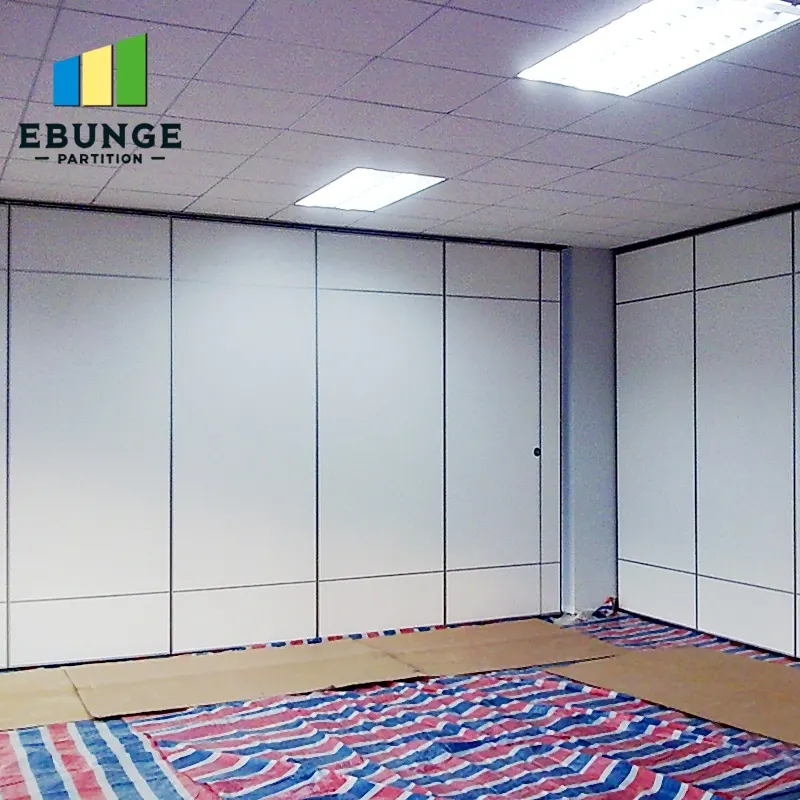
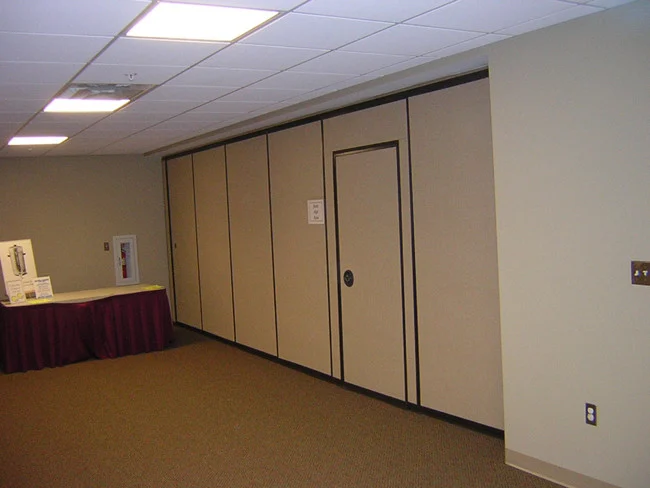
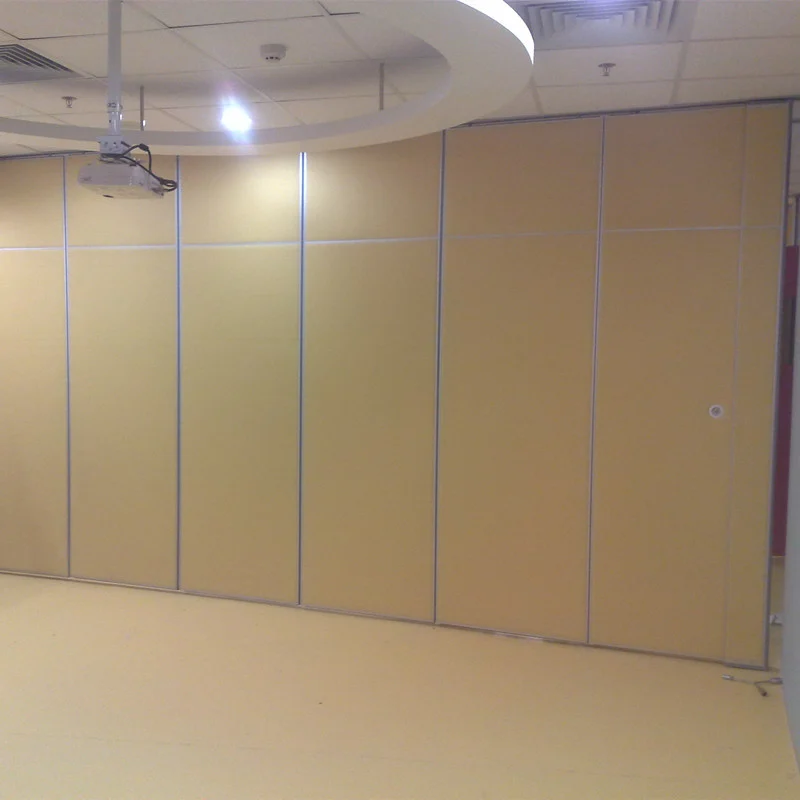
The exact overhead route and support arrangement must be confirmed by the responsible project team from coordinated drawings. For top-hung movable partitions, panels are individually movable, suspended from a top track, cross the opening without a floor track, and park at a planned stacking position. The reconciliation task is not to invent engineering conclusions, but to make the scope boundary visible before bids are compared.
This article offers an evidence-bounded framework for contractors, architects, interior designers, owners and procurement teams. It focuses on drawing review, scope language and coordination questions.
Why Track Fixing Preliminaries Drift From the Tender Scope
Project review term: bidder track fixing preliminaries.
Track fixing preliminaries are the temporary and enabling works that allow a top track to be installed and connected. They may include access, protection, setting-out, coordination with adjacent trades and the interface with the supporting structure. The tender scope may describe the partition system, but leave these preliminaries implied rather than stated.
Drift happens when bidders interpret implied scope differently. One bidder may assume the supporting structure is ready and accessible. Neither interpretation is automatically correct. The reconciliation process should identify which items are clearly in scope, which are provisional, and which require project-specific confirmation.
Separate the system from the enabling works
The movable partition system is the panels, top track, trolleys and parking arrangement. Enabling works are the conditions that allow installation. The suitability of each route and parking arrangement depends on the approved layout, circulation, ceiling interfaces and operating sequence.
Use the layout to define the route
Straight, turning and stacking routes are reviewed from the layout. A route that turns or stacks may require a different sequence of track sections and support points. The tender scope should state whether the bidder is expected to review these routes and report any assumptions.
A Drawing Review Checklist for Bidder Submissions
Coordination scope: bidder track fixing preliminaries.
Before comparing bids, review each submission against the same drawing set. This checklist is a coordination tool, not a substitute for project-specific engineering review.
- Does the bidder identify the top track route and any turning or stacking positions shown on the layout?
- Does the bidder state whether the supporting structure is existing, new or provisional?
- Are access and protection requirements listed as inclusions, exclusions or provisional sums?
- Does the bidder note any assumptions about ceiling voids, services or adjacent finishes?
- Are pass-door requirements and project documentation discussed separately from the panel scope?
- Does the bidder confirm that any proposed movement path has a continuous connected overhead route?
Use the same checklist for every bidder. Where an answer is missing, request a written clarification rather than inferring the missing scope.
How to Write Scope Language That Bidders Can Price
Checklist focus: bidder track fixing preliminaries.
Clear scope language reduces the gap between tender intent and bidder interpretation. It does not need to prescribe engineering solutions. It should define responsibilities, interfaces and the evidence expected in the bid.
State inclusions and exclusions explicitly
List what the bidder must include, such as track fixing preliminaries, setting-out, protection and coordination. Ambiguity here is a common source of post-award variation.
Ask for assumptions in writing
Require bidders to submit a short assumptions schedule. This schedule should identify any item they cannot confirm from the tender documents. It should also state what information they need before finalizing their approach.
Reference the layout and documentation
Point bidders to the relevant layout drawings, finish schedules and pass-door requirements. Confirmed finish options include laminate, melamine, fabric, leather, glass and other approved surfaces. The tender should state which finishes are in scope and where samples or approvals are required.
Evidence Boundaries When Comparing Bidders
Review focus: bidder track fixing preliminaries.
Bid comparison often tempts reviewers to treat a bidder’s statement as proof of performance. That is a mistake.
Evidence note: Do not derive hidden acoustic, fire, durability, load, maintenance, certification or commercial performance from a visible shape, finish, photograph or drawing. Comparative, absolute and causal statements require corresponding evidence; otherwise remove them or state the exact project-specific confirmation boundary.
Visible references can support layout discussion but do not verify hidden construction or performance.
Coordination Questions for the Pre-Bid Meeting
Project review term: bidder track fixing preliminaries.
A structured pre-bid meeting can surface track fixing preliminaries before bids are finalized. Use these questions to align all parties.
- Which drawing shows the complete top track route, including turns and stacking positions?
- Who is responsible for confirming the supporting structure and any required interface?
- What access and protection will be available during installation, and who provides it?
- How will pass-door requirements be coordinated with the panel layout?
- What project documentation will be issued to bidders, and when?
- Which items remain provisional until the layout and support route are confirmed?
Record the answers in the tender addendum.
Common Reconciliation Mistakes to Avoid
One mistake is treating the partition system as a standalone purchase. Top-hung panels depend on a continuous connected overhead route and project-specific support review. If the tender scope ignores the route, bidders may price different assumptions.
Another mistake is accepting a bidder’s generic statement as evidence of project suitability. A drawing does not confirm load capacity. Each of these requires matching evidence or a clear confirmation boundary.
A third mistake is leaving pass-door requirements and project documentation until after award. These items affect coordination and should be discussed during tender review. The goal is not to solve every detail early, but to identify what must be confirmed before installation planning proceeds.
FAQ: Bidder Track Fixing Preliminaries and Tender Scope
What does bidder track fixing preliminaries tender scope reconciliation mean?
It means aligning the tender’s description of track fixing and enabling works with what bidders actually price. The process uses drawing review, written assumptions and clarification questions to make the scope boundary visible.
Which project information is required for reconciliation?
At minimum, the layout showing straight, turning and stacking routes, the supporting structure status, access and protection arrangements, finish schedules, pass-door requirements and the project documentation available to bidders.
Can a bidder confirm acoustic performance from the tender drawings?
No. The exact route, junction arrangement, continuous overhead path and parking position must be confirmed from the coordinated project drawings. The tender should ask what documentation a bidder can provide, not treat a drawing as proof.
How should pass-door requirements be handled?
Pass-door requirements and project documentation can be discussed during tender review. They should be listed as a coordination item so bidders price them consistently and any interface with the panel layout is identified.
What if a bidder proposes a different track fixing method?
Ask the bidder to submit assumptions, exclusions and any information they need to confirm. Compare the proposal against the same drawing set and evidence boundaries used for other bidders.
Does a top-hung partition need a floor track?
EBUNGE movable partition panels are top-hung and move without a continuous floor running track or floor hardware along the partition line.
Conclusion: Reconcile Scope Before Comparing Price
Bidder track fixing preliminaries tender scope reconciliation is a review discipline. It separates the movable partition system from enabling works, tests bidder assumptions against the layout, and keeps performance claims within their evidence boundaries. Done well, it reduces post-award surprises without inventing engineering conclusions.
Start with the drawing set, issue a consistent clarification list, and require written assumptions from every bidder. Confirm project-specific support, acoustic and dimensional requirements before finalizing any installation approach. For product context, visit the movable walls product page and the resources page. To discuss pass-door requirements and project documentation, contact EBUNGE.