
Quick project answer
Review focus: track fixing scope gaps.
A bid clarification log track fixing scope gaps is a practical tender review tool. It records questions, answers and unresolved items that affect who supplies, fixes and coordinates the overhead track for a movable partition. The suitability of each route and parking arrangement depends on the approved layout, circulation, ceiling interfaces and operating sequence. That separation is often where scope gaps appear. This article explains how to read the log, what to check in drawings and how to keep project-specific support, acoustic and dimensional requirements open for confirmation.
Why Track Fixing Scope Gaps Appear in Tender Documents
Project review term: track fixing scope gaps.
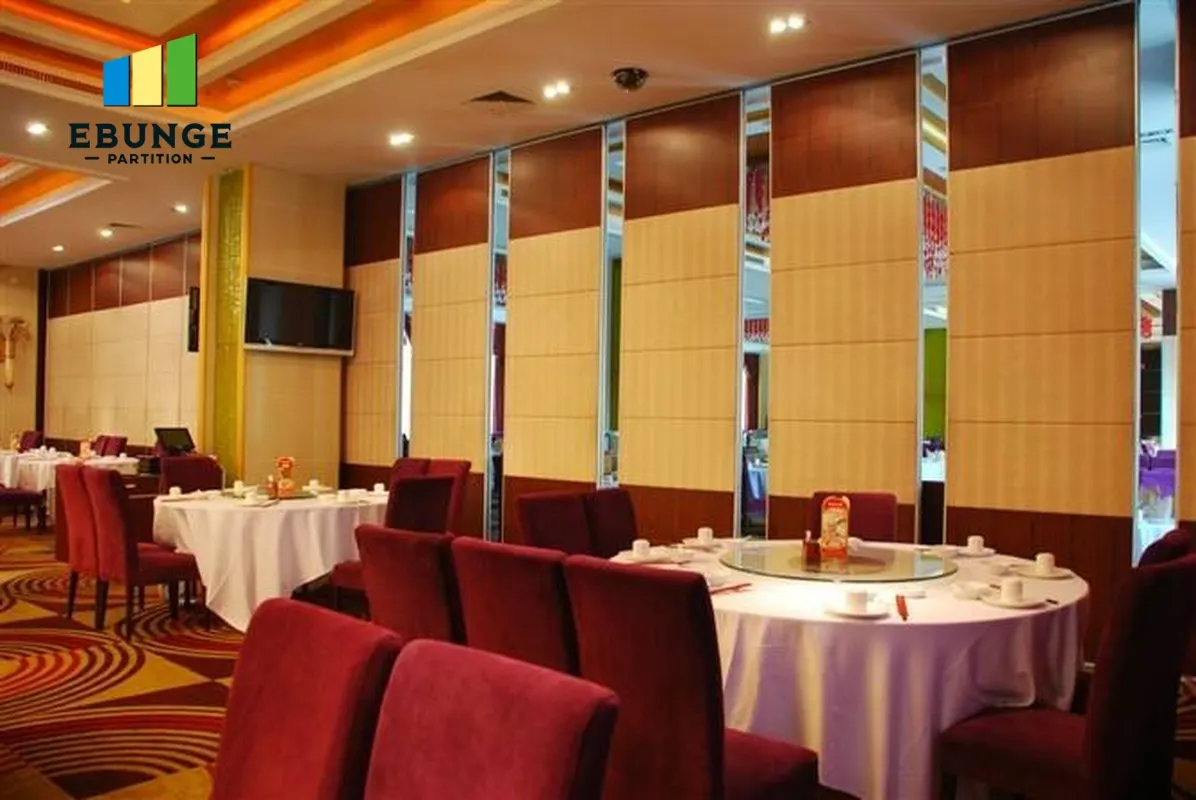
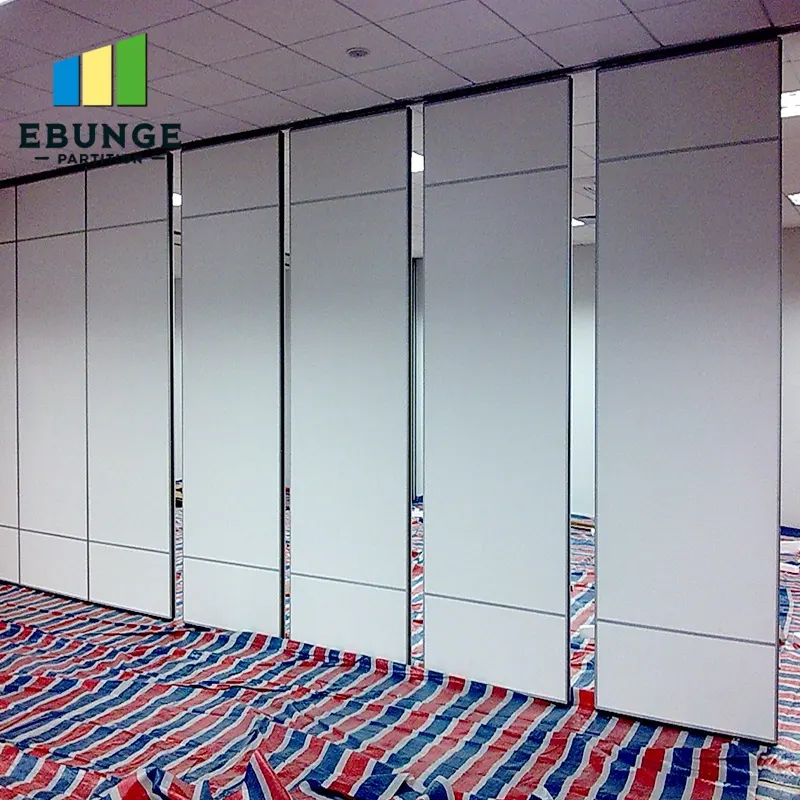
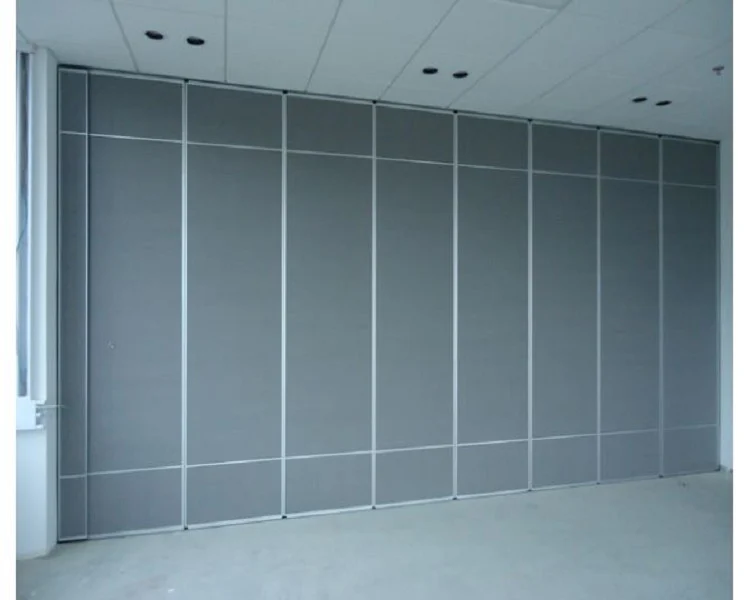
Movable wall panels are individually movable and suspended from a top track. They cross the opening without a floor track and park at a planned stacking position. The exact overhead route and support arrangement must be confirmed by the responsible project team from coordinated drawings. Tender packages sometimes describe the partition but leave the track fixing interface to another trade.
A bid clarification log captures that interface. It only records what has been asked, what has been answered and what remains open. The log is therefore an evidence map, not an engineering approval.
What the Log Should Record Before Award
Coordination scope: track fixing scope gaps.
A useful log separates commercial questions from technical ones. Technical entries should point to a drawing, a specification clause or a stated requirement. If an answer changes the scope, the log should show the date and the responsible party.
Core entries for track fixing review
- Who supplies the top track and who fixes it to the supporting structure?
- Which drawing shows the continuous overhead route for straight, turning and stacking paths?
- Where does the partition package end and the structural or ceiling package begin?
- What project-specific support review is required before fabrication?
- Which finish option is confirmed: laminate, melamine, fabric, leather, glass or another approved surface?
- Are pass-door requirements and project documentation included in the scope?
These entries do not confirm capacity or performance. They identify the information needed for the project team to confirm those matters separately.
Reading the Log for Interface Gaps
Checklist focus: track fixing scope gaps.
Interface gaps often hide in wording such as “by others” or “contractor to verify.” The log should convert those phrases into named responsibilities. If the answer remains unclear, the item should stay open rather than being closed by assumption.
Questions that expose unclear boundaries
- Does the tender show a continuous connected overhead route for every proposed movement path?
- Is the parking position shown on the layout, and does it match the stacking route?
- Has the supporting structure been reviewed for the track fixing by the responsible engineer?
- Are ceiling voids, services or other obstructions coordinated with the track route?
- Has the finish schedule been matched to the approved surface options?
Each question should have a written answer or remain flagged. A closed log with unresolved technical items is a risk signal, not a resolution.
Evidence Boundaries in Procurement and Tender Review
Review focus: track fixing scope gaps.
Procurement teams often want a single number or statement to compare bids. Track fixing scope is not well served by that approach. A bid may appear complete while excluding the support interface. Another may include the track but not the coordination drawings.
A partition’s acoustic behaviour depends on the full assembly, the opening, the seals and the supporting construction. The bid clarification log should record what acoustic documentation is required, not assume a result from a product name.
Evidence note: A clarification answer is not a performance certificate. Confirm project-specific support, acoustic and dimensional requirements with the responsible design professionals before award.
Comparing Bid Responses Without Inventing Performance
A compact comparison can help reviewers see scope differences. The table below uses only categories that can be checked against documents. It does not imply that any bid is technically acceptable.
| Review item | What to look for | Evidence needed |
|---|---|---|
| Track supply | Named in scope or excluded | Specification clause or drawing note |
| Track fixing | Responsible trade identified | Interface drawing or written answer |
| Support review | Required before fabrication | Project-specific structural confirmation |
| Movement route | Straight, turning and stacking paths shown | Coordinated layout drawing |
| Finish | Approved surface option stated | Finish schedule or sample approval |
| Documentation | Pass-door and project documents listed | Document register or clarification answer |
If a cell cannot be supported by a document, it remains open.
How to Close the Log Without Overclaiming
Closing a log means the question has an answer, not that the building is proven. The project team should confirm that the answer is consistent with the drawings and the specification.
Practical close-out sequence
- Re-read each open item against the latest drawing revision.
- Confirm that the responsible party has accepted the scope in writing.
- Check that the movement route remains continuous and connected.
- Verify that finish and pass-door requirements are documented.
- Record any remaining project-specific confirmations as conditions, not assumptions.
This sequence keeps the log honest. It also gives the wider project team a clear view of what still needs evidence.
FAQ: Bid Clarification Log and Track Fixing Scope
What is a bid clarification log in a movable partition tender?
It is a record of questions, answers and open items raised during tendering. For movable partitions, it helps track who supplies and fixes the top track and how the overhead route is coordinated.
Does the log confirm that the track fixing is structurally adequate?
No. The log records information.
Why is a continuous overhead route important?
Panels are suspended from a top track and cross the opening without a floor track. Every proposed movement path needs a continuous connected overhead route and project-specific support review.
Can the log help compare finish options?
It can record which finish option is confirmed, such as laminate, melamine, fabric, leather, glass or another approved surface.
What should remain open until award?
Any item that depends on project-specific support, acoustic or dimensional confirmation should remain open until the responsible party provides matching evidence.
How does EBUNGE support the clarification process?
EBUNGE can discuss pass-door requirements and project documentation. Review the movable walls product page and the resources section for maintained product context, then contact the team with your drawing set.
Conclusion: Use the Log to Expose Gaps, Not to Fill Them
A bid clarification log is most useful when it shows what is still unknown. Track fixing scope gaps often sit between packages, so the log should name responsibilities, reference drawings and keep performance questions open for proper confirmation. Do not treat an answer as a certificate. Confirm project-specific support, acoustic and dimensional requirements before fabrication or award.
For project-specific coordination, contact EBUNGE with your layout, track route and documentation requirements.