
Quick answer: track fixing crew
Review focus: track fixing crew.
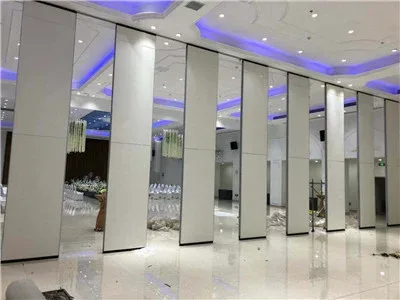
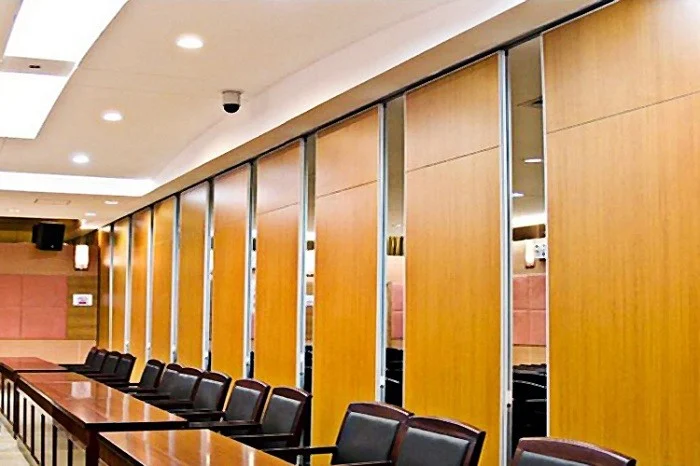
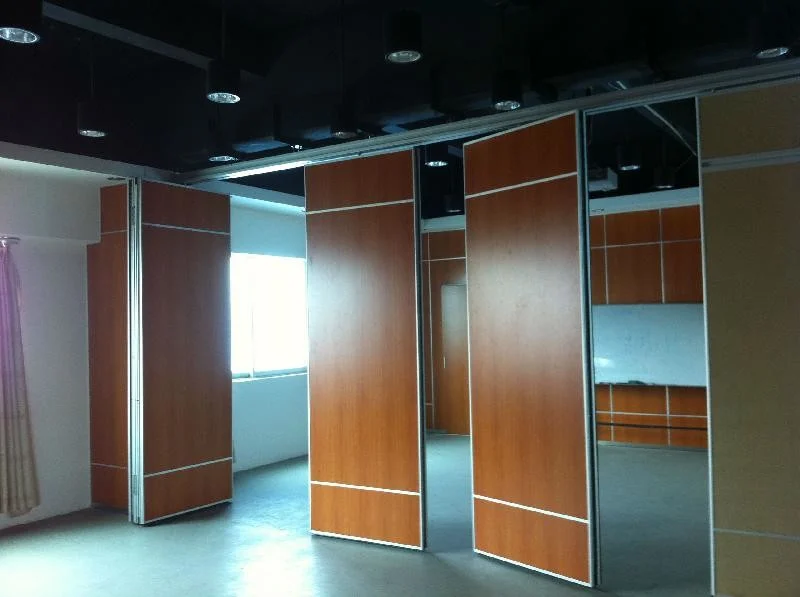
Effective contractor track fixing crew anchor-setting shift planning starts with one rule: the overhead route is the project. EBUNGE movable wall panels are individually movable, suspended from a top track, cross the opening without a floor track, and park at a planned stacking position. That means the anchor-setting shift is not a generic fixing task. The exact overhead route and support arrangement must be confirmed by the responsible project team from coordinated drawings. This guide sets out an evidence-bounded planning sequence for overseas project teams. The suitability of each route and parking arrangement depends on the approved layout, circulation, ceiling interfaces and operating sequence.
Start With the Layout, Not the Hardware
Project review term: track fixing crew.
The exact route, junction arrangement, continuous overhead path and parking position must be confirmed from the coordinated project drawings. Each route must be continuous and connected overhead.
Use the drawing review to answer four questions:
- Where does the track begin and end?
- Where do panels park when the opening is clear?
- Does any turning or stacking route change the support condition?
- Which dimensions still need project-specific confirmation?
If any answer is unclear, pause the anchor-setting shift and resolve it on paper first. The movable walls product page provides maintained product context, but the layout drawing remains the controlling document for each project.
Define the Anchor-Setting Scope Before the Shift
Coordination scope: track fixing crew.
Anchor setting is the interface between the track and the supporting structure. The scope should state what the crew is expected to set, what must be verified before setting, and what must be recorded afterwards. Avoid assuming that a visible ceiling or beam is suitable simply because it looks solid.
What the shift brief should contain
- The current approved layout revision and route drawing.
- The confirmed support locations and any hold points.
- The sequence of anchor positions along the route.
- The inspection and sign-off steps before the next trade proceeds.
- The named person authorised to approve a deviation.
This brief keeps the crew working to a defined scope rather than inferring requirements from a photograph or a previous job. It also gives the site manager a clear basis for accepting or rejecting completed work.
Coordinate the Anchor-Setting Window With Other Trades
Checklist focus: track fixing crew.
Anchor setting rarely happens in isolation. The planning question is not simply when the crew can attend, but whether the overhead zone is ready to receive the track without later disturbance.
Hold a short coordination check before the shift. Where a conflict exists, record it and resolve it before anchor setting begins. This is cheaper than reworking a fixed track.
Use a Decision Checklist for Route Readiness
Review focus: track fixing crew.
The following checklist is a planning aid, not a substitute for engineering review. It helps the crew and the site team agree on readiness before the shift starts.
| Check | Evidence to confirm | Owner |
|---|---|---|
| Layout revision current | Approved drawing reference | Project manager |
| Overhead route continuous | Route drawing showing straight, turning and stacking paths | Design coordinator |
| Support condition reviewed | Project-specific structural confirmation | Responsible engineer |
| Anchor positions agreed | Marked setting-out plan | Site supervisor |
| Hold points defined | Inspection and sign-off record | Quality lead |
| Deviation authority named | Written instruction route | Contractor lead |
Where a row cannot be evidenced, treat it as an open item. Do not fill the gap with an assumption about load, spacing or performance.
Keep Acoustic and Finish Expectations Evidence-Bounded
EBUNGE can discuss seals and acoustic concepts generically, but project-specific acoustic requirements must be confirmed against the actual specification.
Finish choices are similarly project-specific. Confirmed finish options include laminate, melamine, fabric, leather, glass and other approved surfaces. Visible references can support layout discussion but do not verify hidden construction or performance. Those attributes require matching evidence for the specific project.
Document the Shift and Hand Over Cleanly
At the end of the anchor-setting shift, the crew should leave a record that the next trade can use. A useful record includes the layout revision worked to, the anchor positions completed, any deviations and their approval, and the hold points signed off.
Pass-door requirements and project documentation can be discussed with the EBUNGE team where they affect the track route or the stacking position. Raising these points early avoids a late change to the overhead layout. The resources page offers general planning context for project teams.
Frequently Asked Questions
What is the first step in planning an anchor-setting shift?
Review the approved layout drawing and confirm the straight, turning and stacking routes are continuous and connected overhead. Resolve any route gap before the crew mobilises.
Can the crew set anchors from a previous project’s layout?
No. Each project requires its own layout review and project-specific support confirmation. A previous layout is not evidence for a new support condition.
Do movable partitions need a floor track?
EBUNGE movable wall panels are top-hung and cross the opening without a floor track.
How should acoustic performance be specified?
Acoustic requirements should be stated as project-specific criteria and confirmed against the complete assembly.
When should pass-door requirements be raised?
Raise them during layout review, because a pass door can affect the track route, the stacking position and the sequence of anchor setting.
What should be recorded after the shift?
Record the layout revision, completed anchor positions, approved deviations and signed hold points. This gives the next trade a reliable starting point.
Conclusion and Next Step
Keep every recommendation tied to the approved drawing, the maintained product facts and the project-specific confirmations that still apply. Where a requirement is not evidenced, leave it open rather than inferring performance.
To discuss your project’s track route, pass-door requirements or documentation needs, contact the EBUNGE team and share your layout for review.