
Quick project answer
Review focus: room turn logs.
Building a reliable changeover labor forecast room turn logs process starts with what your facility already records: when a room is released, when it is reset, and what configuration the next user expects. For projects using movable partitions, the forecast must also reflect how panels travel, park, and return. This article gives overseas contractors, architects, interior designers, owners, and renovation teams an evidence-bounded framework. It does not promise labor savings, acoustic results, or financial returns. The exact route, junction arrangement, continuous overhead path and parking position must be confirmed from the coordinated project drawings.
Why Room Turn Logs Matter for Changeover Planning
Room turn logs are operational records, not marketing documents. They typically capture release time, reset completion, room type, and next use. When reviewed over weeks or months, they reveal patterns: which rooms turn most often, which changeovers cluster, and where delays recur. For movable partition projects, the log should also note whether a partition was opened, closed, or left in a stacked position.
Do not treat a log as proof of labor need. It is a planning input. Pair it with layout drawings, finish schedules, and a walkthrough of the actual route. If the log lacks partition status, add a simple field before using it for forecasting.
Define the Changeover Scope Before Counting Labor
Changeover scope is the set of tasks required to move a room from one use to the next. For a flexible room with movable partitions, scope may include moving panels along the top track, parking them at the planned stacking position, resetting furniture, and checking the room against the next user’s layout. The scope should be written down, not assumed.
Separate partition movement from other reset tasks
Partition movement is one part of a changeover. Furniture, AV, cleaning, and catering may follow different sequences. Keep them separate in the forecast so you can see which tasks depend on the partition route being clear. This separation also helps when a project team reviews the layout for straight, turning, and stacking routes.
Confirm the route from the layout
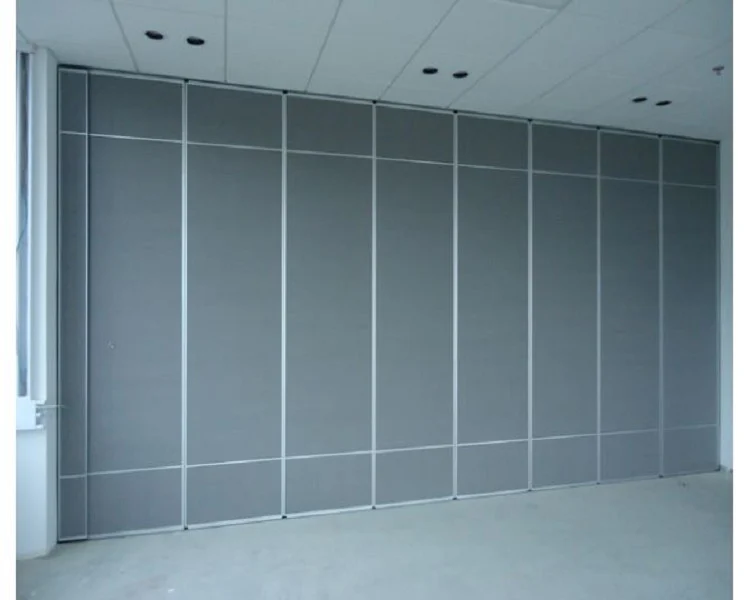
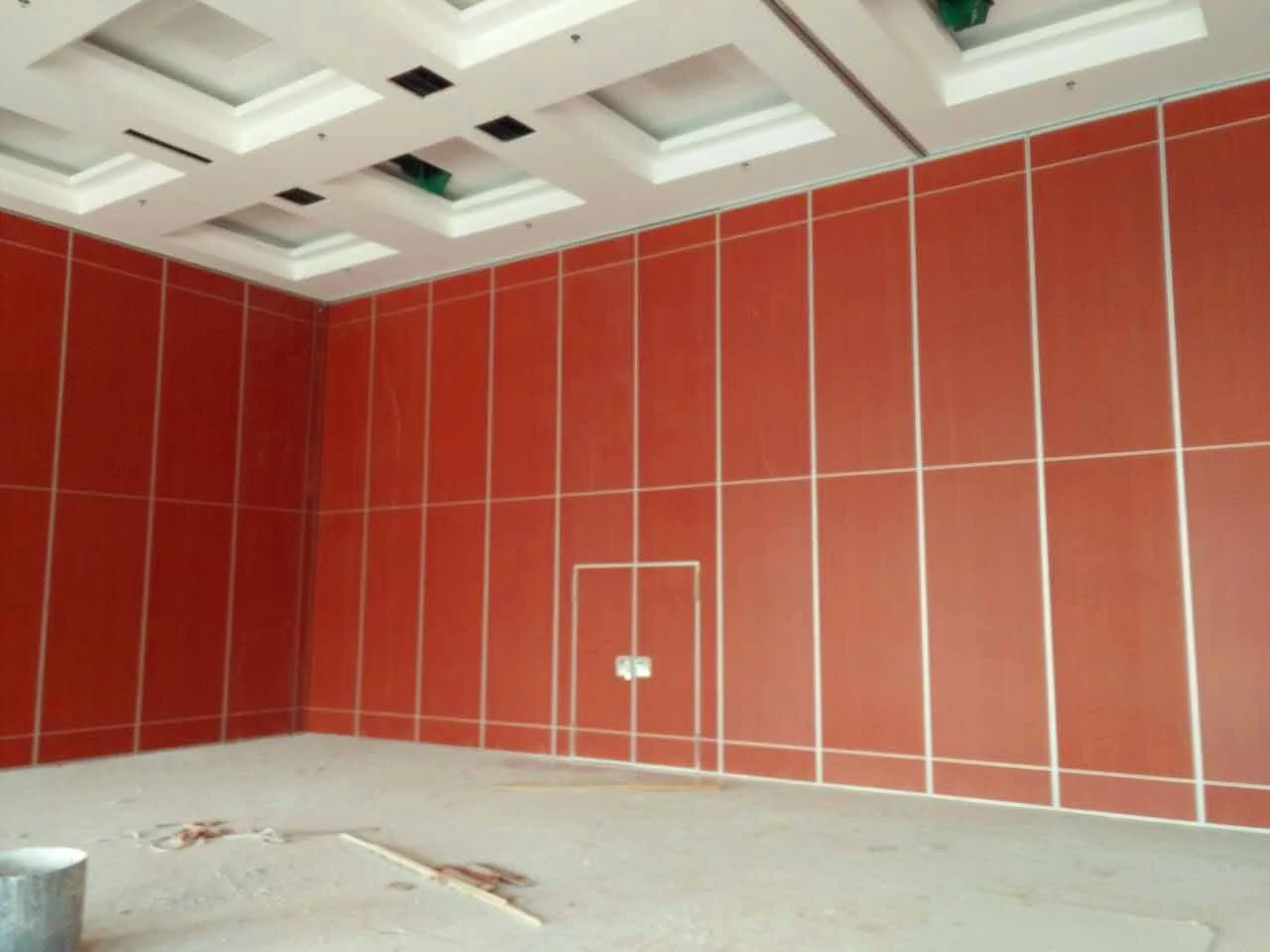
Movable wall panels are individually movable, suspended from a top track, cross the opening without a floor track, and park at a planned stacking position. The route must be continuous and connected overhead. Review straight, turning, and stacking routes from the layout, and confirm support requirements with the project engineer.
Build the Forecast in Six Steps
- Extract turn events. Pull release and reset times from the log for a representative period. Note room name, date, and next use.
- Tag partition status. Add a field for open, closed, or stacked. If the log lacks this, use a short observation period to fill the gap.
- Group by changeover type. Separate simple resets from changeovers that require partition movement across the opening.
- Map the route. Overlay each changeover type on the layout drawing. Mark straight runs, turns, and the parking position.
- List dependent tasks. Identify tasks that cannot start until the partition route is clear, such as floor cleaning or furniture placement.
- Document assumptions. Record what the log does not show, including support conditions, finish protection, and project-specific acoustic requirements.
This sequence keeps the forecast tied to observable events. It does not require you to invent labor counts or performance values.
Use a Compact Evidence Table for Each Room
A simple table helps project teams compare rooms without overstating certainty. The table below is a template; fill it with your own log data and drawing notes.
| Field | What to record | Evidence boundary |
|---|---|---|
| Turn frequency | Number of changeovers per room per period | From log only; do not infer future demand |
| Partition action | Open, close, or stacked | Requires a log field or observation |
| Route type | Straight, turning, or stacking | Confirm from layout drawing |
| Finish surface | Laminate, melamine, fabric, leather, glass, or other approved surface | Do not infer cleaning or durability performance |
| Pass-door need | Whether a pass door is required | Discuss with project team; confirm documentation |
Use the table to flag missing information. A blank cell is a question for the project team, not a reason to guess.
Coordinate With Project Documentation and Drawings
Changeover labor forecasting sits inside a wider facility operations planning coordination process. The forecast should align with the partition layout, finish schedule, and any pass-door requirements. Project documentation can be discussed with the supplier to confirm what is available and what still needs project-specific review.
What to ask the project team
- Which rooms use movable partitions, and what is the planned parking position for each?
- Are straight, turning, and stacking routes shown on the layout?
- Which finishes are approved for each room, and are there protection requirements during changeover?
- Are pass doors required, and how do they affect the changeover sequence?
- What acoustic and dimensional requirements must be confirmed before installation?
These questions keep the forecast grounded in project-specific evidence. They also help avoid treating a generic finish or application example as proof of performance.
Common Pitfalls in Changeover Forecasting
One pitfall is treating the log as a complete record. Logs often miss partition status, route obstructions, or finish protection needs. Visible references can support layout discussion but do not verify hidden construction or performance. Neither can be derived from a drawing alone.
A third pitfall is mixing partition movement with unrelated reset tasks. Keep them separate so the forecast reflects the actual sequence. The suitability of each route and parking arrangement depends on the approved layout, circulation, ceiling interfaces and operating sequence. These are rating concepts; project-specific acoustic requirements must be confirmed with qualified professionals.
FAQ: Changeover Labor Forecast and Room Turn Logs
What is a changeover labor forecast from room turn logs?
It is a planning estimate built from recorded room release and reset events. It helps teams understand changeover patterns, not predict exact labor outcomes.
Can room turn logs alone determine labor needs?
No. Logs are one input.
How do movable partitions affect changeover planning?
Panels are individually movable, top-hung, and cross the opening without a floor track. The route and parking position must be reviewed from the layout, and support requirements confirmed.
What finish information should be included in the forecast?
Record the approved finish for each room, such as laminate, melamine, fabric, leather, glass, or another approved surface. Do not infer cleaning compatibility or durability from the finish name.
How should pass doors be handled in the forecast?
Pass-door requirements should be discussed with the project team and confirmed in project documentation. They may affect the changeover sequence and should be noted per room.
What should be confirmed before using the forecast?
Confirm project-specific support, acoustic, and dimensional requirements. Also verify that every proposed movement path has a continuous connected overhead route.
Conclusion and Next Steps
A changeover labor forecast from room turn logs is only as good as the evidence behind it. Start with the log, tag partition status, map routes from the layout, and document every assumption. Use the evidence table to separate known facts from open questions. For movable partition projects, confirm support, acoustic, and dimensional requirements with the project team before finalizing any forecast.
To review movable wall options for your next project, visit EBUNGE movable walls. For planning resources, see our resources page. To discuss pass-door requirements, finishes, or project documentation, contact our team.