
Quick project answer
Review focus: tender clarification log.
A movable partition tender clarification log is a controlled record of every question, answer, and evidence item exchanged during the bid stage. For overseas contractors, architects, and owners, it prevents verbal assumptions from becoming contract obligations. This guide explains how to structure the log, what to track, and where to stop and request project-specific confirmation. It applies to any flexible-space project where top-hung movable walls are being considered.
Why a Clarification Log Matters for Movable Partition Bids
Project review term: tender clarification log.
Movable partition bids often involve multiple trades, finish options, and layout routes. Without a single log, clarifications can be scattered across emails, drawings, and meeting notes. A structured log keeps the tender comparable and reduces the risk of awarding on incomplete information.
The log is not a substitute for project-specific engineering. It is a coordination tool that records what was asked, what was answered, and what still requires confirmation from the project team or supplier.
What the log should not do
Visible references can support layout discussion but do not verify hidden construction or performance. If a bidder states a performance value, require the supporting evidence and record it as a project-specific submittal, not as a general fact.
Setting Up the Log Before Tender Issue
Coordination scope: tender clarification log.
Start the log when the tender package is issued. Assign one owner, usually the lead consultant or procurement coordinator, to maintain it. Use a simple table with columns for question ID, date, originator, topic, question, answer, evidence reference, and status.
Agree on a response deadline and a rule that only written answers are binding. The suitability of each route and parking arrangement depends on the approved layout, circulation, ceiling interfaces and operating sequence.
Core fields to include
- Question ID: a unique reference for cross-referencing.
- Topic: layout, finish, pass-door, acoustic concept, or documentation.
- Question: the exact wording sent to bidders.
- Answer: the written response received.
- Evidence reference: drawing number, submittal, or confirmation note.
- Status: open, answered, or requiring project-specific review.
Tracking Layout and Route Clarifications
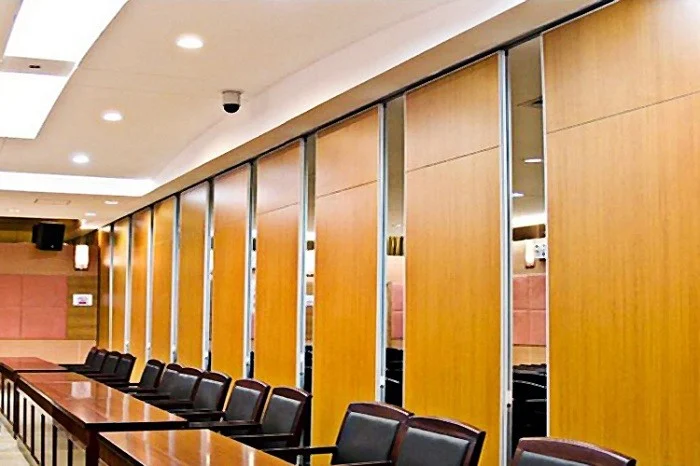
Movable wall panels are individually movable, suspended from a top track, and cross the opening without a floor track. They park at a planned stacking position. Straight, turning, and stacking routes are reviewed from the layout.
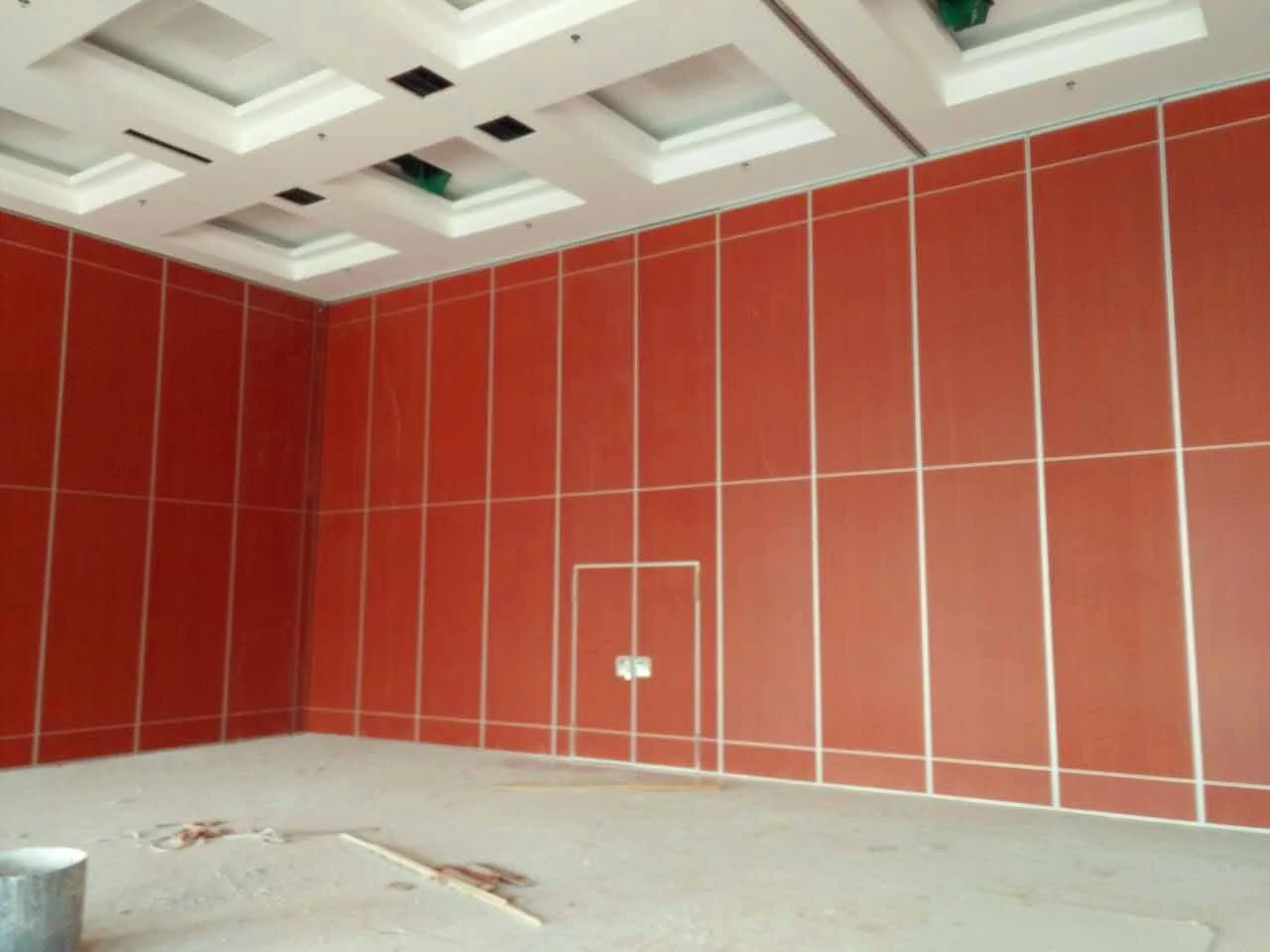
In the log, record every question about route geometry, stacking location, and any interface with adjacent construction. The exact route, junction arrangement, continuous overhead path and parking position must be confirmed from the coordinated project drawings. Every proposed movement path requires a continuous connected overhead route and project-specific support review.
Questions to log for layout
- What is the proposed stacking position and does it conflict with other services?
- Are there turning points or curves in the route, and how are they coordinated?
- What overhead structure is available along the full route?
- Are there any openings or gaps that would interrupt the track path?
Finish, Pass-Door, and Documentation Clarifications
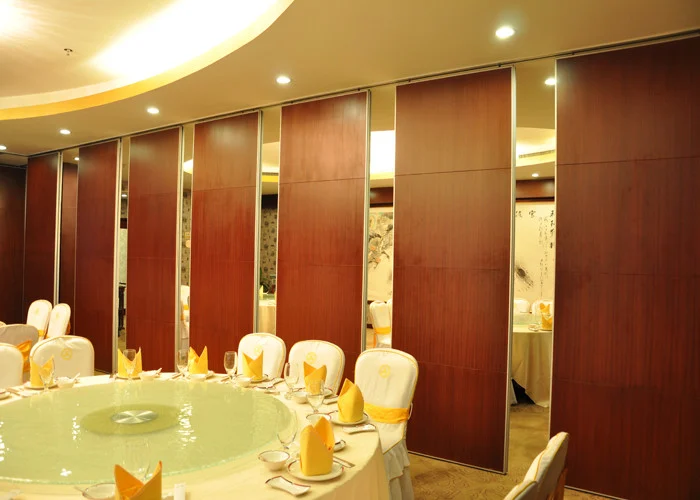
Confirmed finish options include laminate, melamine, fabric, leather, glass, and other approved surfaces. The log should record which finish is proposed for each area and whether any finish requires special handling or coordination.
Pass-door requirements and project documentation can be discussed with the supplier. Record questions about pass-door location, size, and hardware coordination as separate line items.
Evidence note
Any statement about acoustic performance, structural capacity, or durability must be supported by project-specific evidence. STC and Rw are rating concepts; they are not a direct count of decibels. Confirm project-specific acoustic and dimensional requirements with qualified professionals.
Running the Log During the Tender Period
Issue clarifications to all bidders at the same time. Avoid private answers that could give one bidder an advantage. Update the log regularly and circulate a consolidated version at defined intervals.
When a question cannot be answered without project-specific review, mark it clearly and set a date for resolution. This prevents bidders from making assumptions that later become disputes.
Coordination with Procurement and Tender Review
Procurement and Tender Review coordination means aligning the log with the bid evaluation criteria. If a criterion depends on a clarification, record the link. This helps evaluators compare bids on the same basis.
Common Pitfalls and How to Avoid Them
One common pitfall is treating a supplier’s general brochure as project evidence. Another is allowing verbal clarifications to override written ones. A third is failing to close out open items before award.
To avoid these, require written answers, keep evidence references, and review the log before contract signature. If an item remains open, state the confirmation boundary in the contract documents.
Decision checklist before award
- Are all layout and route questions answered or formally deferred?
- Are finish selections recorded with approved surface references?
- Are pass-door and documentation requirements confirmed?
- Are acoustic and dimensional requirements marked for project-specific confirmation?
- Is the log version controlled and shared with all bidders?
FAQ: Movable Partition Tender Clarification Log
What is a movable partition tender clarification log?
It is a written record of questions, answers, and evidence exchanged during the tender stage for movable partition bids. It keeps clarifications traceable and comparable.
Who should maintain the log?
Usually the lead consultant, procurement coordinator, or a nominated project team member. One owner should control updates and distribution.
Can the log include acoustic performance values?
Only if they are supported by project-specific evidence. Confirm project-specific acoustic requirements with qualified professionals.
How should layout route questions be handled?
Record them as separate items. Every proposed movement path requires a continuous connected overhead route and project-specific support review.
What finish information should be logged?
Record the proposed finish option, such as laminate, melamine, fabric, leather, glass, or another approved surface.
When should the log be closed?
Close or formally defer all items before contract award. Any remaining open item should be stated as a confirmation boundary in the contract documents.
Conclusion and Next Steps
A movable partition tender clarification log is a practical tool for keeping bids comparable and decisions traceable. It does not replace project-specific engineering, acoustic, or dimensional confirmation. Use it to record what is known, what is proposed, and what still requires review.
For product information, visit our movable walls page. For broader planning resources, see our resources section. To discuss pass-door requirements, project documentation, or layout coordination, contact our team.