
Quick project answer
Review focus: track fixing assumptions.
A bidder track fixing assumptions priced schedule review is not a line-by-line price check. The exact overhead route and support arrangement must be confirmed by the responsible project team from coordinated drawings. Because EBUNGE movable wall panels are individually movable, suspended from a top track, cross the opening without a floor track and park at a planned stacking position, the fixing assumptions behind the track are central to whether a bid can be built as drawn.
Why Track Fixing Assumptions Deserve Their Own Review
Project review term: track fixing assumptions.
In many priced schedules, the track appears as a single line item. The fixing assumption behind it may sit in a preamble, a drawing note or a qualifications page. The suitability of each route and parking arrangement depends on the approved layout, circulation, ceiling interfaces and operating sequence.
For a top-hung system, the panels hang from the track and travel along it. The floor remains clear along the partition line, which is one reason the system suits flexible rooms. That benefit depends on a continuous connected overhead route and on support that has been reviewed for the application reference conditions.
What the schedule can and cannot tell you
A priced schedule can show whether the bidder has allowed for track, fixing, coordination and interfaces. Those require project-specific review with the relevant design team.
A Decision Checklist for Reading Each Bid
Coordination scope: track fixing assumptions.
Use the same checklist across every bidder so that differences are visible rather than hidden in wording.
- Route described: Does the bidder state the track route, including straight runs, turning sections and the stacking position?
- Support interface named: Is the supporting structure identified, or is the fixing left as a generic allowance?
- Ceiling coordination noted: Does the bid acknowledge adjacent ceilings, services or finishes that the track may cross?
- Parking assumption stated: Is the planned stacking location described and linked to the layout?
- Pass-door scope clear: If a pass-door is required, is it included, excluded or listed for discussion?
- Documentation listed: Does the bidder say which drawings, schedules or approvals will be provided?
- Qualifications visible: Are exclusions and assumptions written where a reviewer can find them?
If a bidder leaves several of these blank, the price may still be valid, but the comparison is incomplete. Ask for the missing assumption in writing before scoring.
Reading the Route: Straight, Turning and Stacking
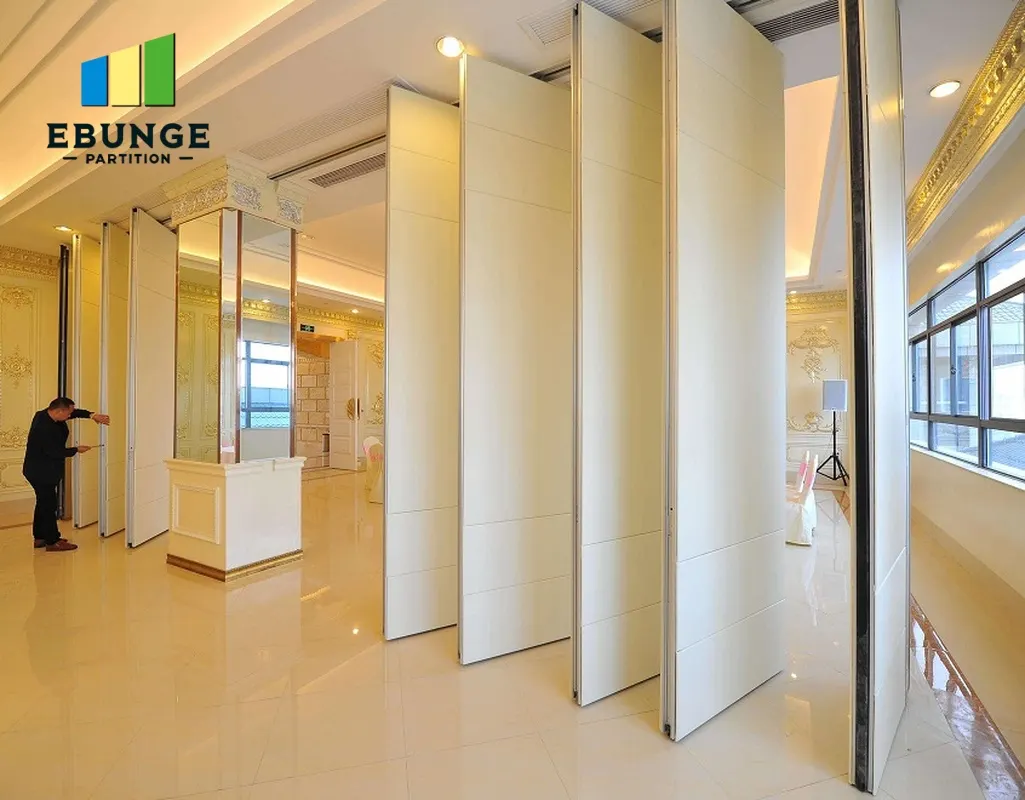
Straight, turning and stacking routes are reviewed from the layout. A bid that assumes only a straight run may not have considered a turn, and a bid that ignores the stacking position may not have coordinated the parking area with the room layout.
The exact route, junction arrangement, continuous overhead path and parking position must be confirmed from the coordinated project drawings. Every proposed movement path requires a continuous connected overhead route, and each route needs project-specific support review. When a bidder’s drawing shows a route that stops short of the parking position, treat that as a question to resolve, not a detail to overlook.
Questions that expose route assumptions
- Where does the track begin and end on the layout?
- Which sections turn, and how is the turn supported?
- Where do panels park when the opening is clear?
- Does the route cross any structural or service zone that needs coordination?
- Is the route shown on the same drawing revision as the priced schedule?
Support and Interface Assumptions in the Priced Schedule
Track fixing assumptions usually point to a support condition. The bidder may assume a concrete soffit, a steel member, a secondary frame or a ceiling zone. Each assumption carries coordination work for the project team.
Reviewers should not convert a bidder’s assumption into a confirmed capacity. Instead, record what the bidder assumed, who is responsible for verifying it, and what information is still missing.
Evidence note
Confirm project-specific support, acoustic and dimensional requirements with the relevant design professionals before accepting any track fixing assumption as final. A priced schedule is a commercial document, not a structural or acoustic verification.
Comparing Bidders Without Overreading the Numbers
When two bids differ, the difference may come from scope, assumptions or qualifications rather than from the product itself. A compact comparison helps the team see where the divergence sits.
| Review point | What to look for | Action if unclear |
|---|---|---|
| Track route | Straight, turning and stacking paths shown | Request a marked-up layout |
| Support interface | Named supporting structure or stated allowance | Ask for the assumption in writing |
| Parking position | Planned stacking location linked to layout | Confirm against room use |
| Pass-door scope | Included, excluded or open for discussion | Clarify before scoring |
| Documentation | Drawings and schedules listed | Agree the deliverable list |
This table is a reading aid, not a scoring formula. It helps the team ask consistent questions across bidders.
Finish, Pass-Door and Documentation Assumptions
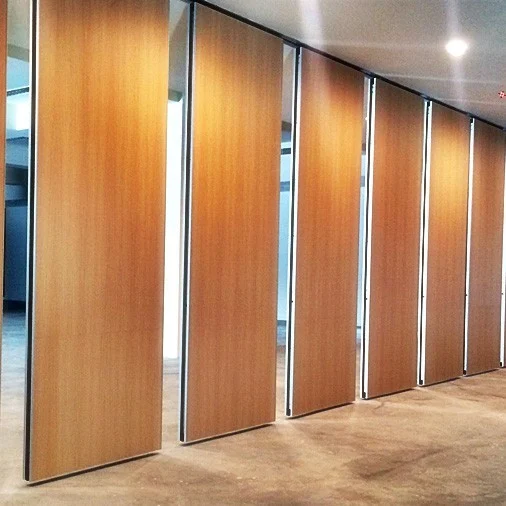
Finish choices can affect coordination even when they do not change the track route. Confirmed finish options include laminate, melamine, fabric, leather, glass and other approved surfaces. A bidder may price a finish without confirming edge details, panel sizes or interface conditions, so those items belong in the review.
Pass-door requirements and project documentation can be discussed with the supplier. If a pass-door is needed, the bid should state whether it is included and how it interacts with the panel layout and the track route.
Documentation to request
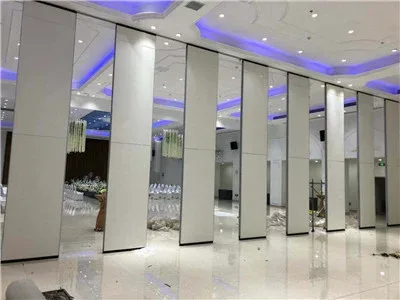
- Layout drawings showing the track route and parking position
- A written list of assumptions and exclusions
- Finish schedule with approved surfaces
- Interface notes for adjacent trades
- Confirmation of who verifies support conditions
Acoustic Concepts Without Overclaiming
FAQ: Bidder Track Fixing Assumptions
What is a track fixing assumption in a priced schedule?
It is the bidder’s stated or implied belief about how the top track will be supported and routed. It may appear as a line item, a drawing note or a qualification.
Can I compare bids if the fixing assumptions differ?
You can compare them, but you should first normalize the assumptions. Ask each bidder to confirm the route, support interface and exclusions in writing.
Does a top-hung partition need a floor track?
EBUNGE movable wall panels are suspended from a top track and cross the opening without a floor track. The overhead route still requires project-specific support review.
How do I check the stacking position in a bid?
Look for a layout that shows where panels park when the opening is clear. If it is missing, request a marked-up drawing before scoring.
What should I do if a bidder assumes a support condition I cannot verify?
Record the assumption, identify who will verify it, and confirm project-specific support requirements before accepting the bid as final.
Can finishes affect the track fixing review?
Finishes such as laminate, melamine, fabric, leather, glass and other approved surfaces may affect coordination details, so include them in the documentation request.
Conclusion and Next Step
Reading bidder track fixing assumptions is a discipline of asking what the bid actually assumes, where the evidence stops and what still needs project-specific confirmation. A clear review protects the tender comparison and reduces surprises during coordination.
To discuss pass-door requirements, project documentation or layout-specific questions, contact the EBUNGE team. You can also review the movable walls product page and the resources section before your next tender review.