
Quick answer: architect track interface query routing
Review focus: architect track interface query routing.
When a project includes movable partitions, the overhead track interface is often the first coordination issue to surface and the last to be resolved. For an architect track interface query routing before tender, the goal is not to answer every technical question early, but to send each question to the right reviewer with the right drawing. This article sets out a practical routing workflow for overseas project teams, based on maintained EBUNGE product facts and clear evidence boundaries.
Why Track Interface Queries Get Delayed
Project review term: architect track interface query routing.
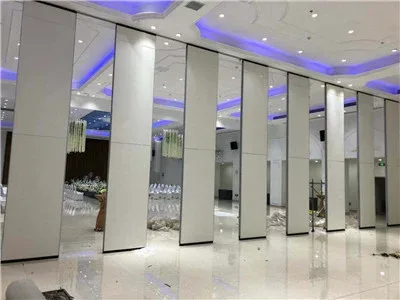
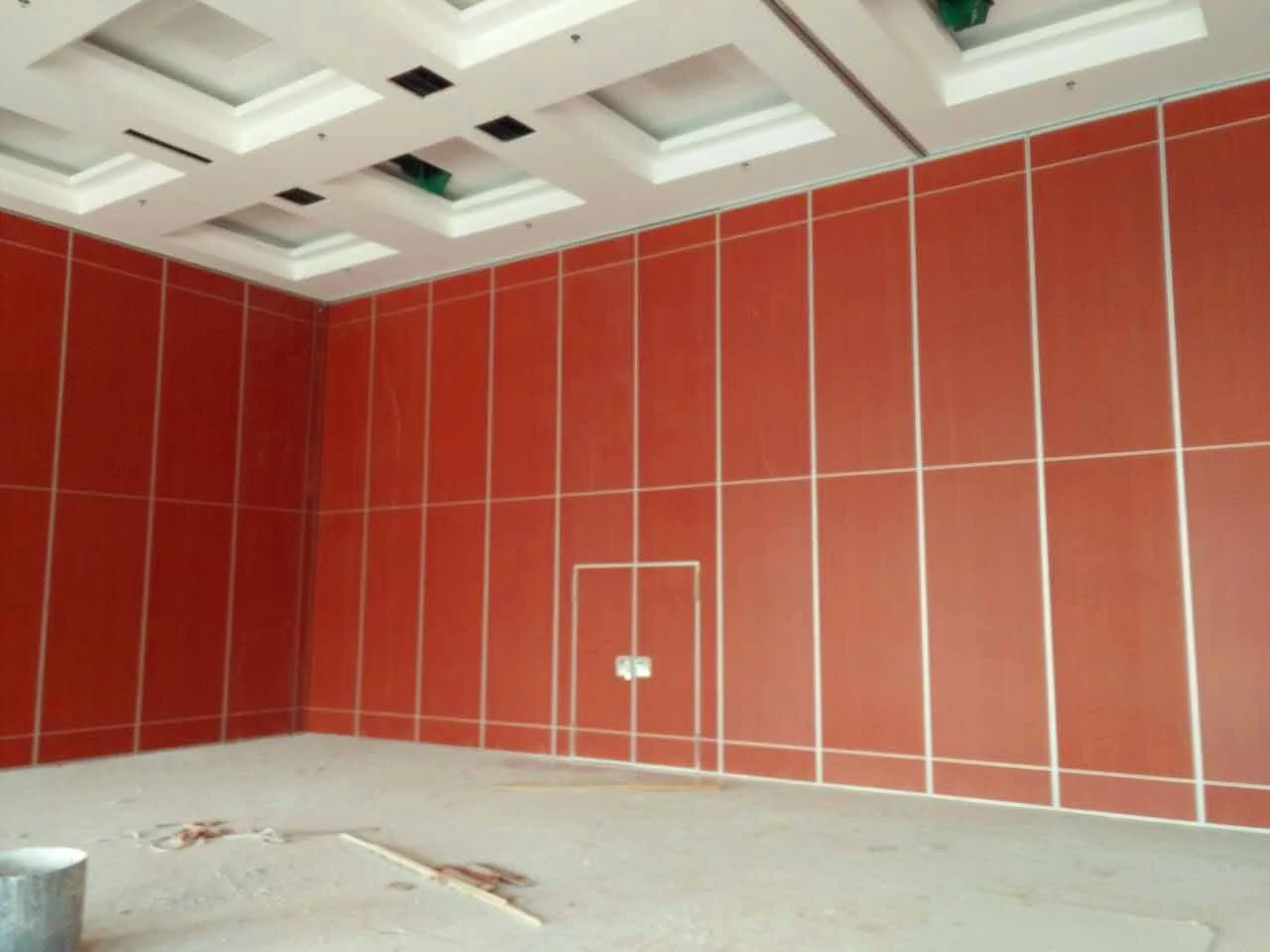
Movable wall panels are individually movable, suspended from a top track, and cross the opening without a floor track. They park at a planned stacking position. The exact route, junction arrangement, continuous overhead path and parking position must be confirmed from the coordinated project drawings.
Queries stall when they are sent to the wrong party. The suitability of each route and parking arrangement depends on the approved layout, circulation, ceiling interfaces and operating sequence. A finish question may sit with the contractor. A route question may sit with the supplier without a marked-up plan. Routing is therefore a discipline, not an administrative step.
Map the Query Types Before Tender
Coordination scope: architect track interface query routing.
Start by sorting every open question into one of four groups.
- Route and geometry: straight, turning and stacking paths shown on the layout.
- Support and interface: how the overhead track relates to the structure above, to be confirmed per project.
- Finish and appearance: laminate, melamine, fabric, leather, glass and other approved surfaces.
- Documentation and access: pass-door requirements, drawings, schedules and approval information.
Each group has a different reviewer. Route and geometry questions usually need the architect and the partition supplier. Finish questions need the architect, the client and the supplier. Documentation questions need the project manager and the supplier.
A Numbered Routing Process for Project Teams
Checklist focus: architect track interface query routing.
The following sequence keeps queries moving without pretending that early answers are final.
- Collect all track-related questions in one register with a unique reference.
- Attach the current floor plan, reflected ceiling plan and elevation to each entry.
- Mark the proposed straight, turning and stacking routes on the plan.
- Assign each entry to a single owner and a required response date.
- Send finish and pass-door entries to the supplier for comment against approved options.
- Log every response as either confirmed, still open, or requiring project-specific evidence.
- Reissue the register with the tender package so bidders price the same assumptions.
This process does not remove uncertainty. It makes uncertainty visible, which is what a tender evaluation needs.
Drawing Checks That Reduce Rework
Plan and ceiling coordination
Check that the overhead route is continuous and connected wherever panels are expected to travel. If the layout shows a gap, the query is a route query, not a product query.
Stacking position review
Parking style is customized to the customer layout and project requirements. Confirm the planned stacking position on the drawing and check that it does not conflict with other services or circulation.
Pass-door and finish schedule
Pass-door requirements and project documentation can be discussed with the supplier. Record them in the same register as the track queries so they are not treated as later variations.
Evidence Boundaries for Specification
An architect track interface query routing before tender specification should separate what is known from what must be confirmed. The table below shows a simple way to classify statements.
| Statement type | Can be stated generically | Needs project-specific confirmation |
|---|---|---|
| Movement principle | Top-hung, no floor track along the partition line | Exact route and stacking position |
| Finish options | Laminate, melamine, fabric, leather, glass and other approved surfaces | Final selection and compatibility |
| Acoustic concept | STC and Rw are rating systems, not a direct count of decibels | Required rating and supporting evidence |
| Support condition | Overhead support must be reviewed | Structural adequacy for the project |
Visible references can support layout discussion but do not verify hidden construction or performance. Comparative or absolute claims require matching evidence.
Who Owns Which Query
Clear ownership shortens the tender clarification period. The architect usually owns route geometry and finish intent. The contractor owns site coordination and interface sequencing. The supplier owns product configuration, approved finish options and documentation support.
Where ownership overlaps, name one accountable reviewer. A query with two owners often has none.
Documentation to Issue With the Tender
Issue the query register, marked-up plans, the finish schedule and any supplier comments received before tender. State clearly which items remain open and which require project-specific confirmation.
This gives bidders a consistent basis and reduces the chance that assumptions are priced differently.
Frequently Asked Questions
What is the first step in routing track interface queries before tender?
Create a single query register and attach the current plan, ceiling plan and elevation to every entry. Sorting questions by route, support, finish and documentation prevents them from being lost in mixed email threads.
Can the architect confirm the overhead support condition?
No.
Do movable partitions need a floor track?
EBUNGE movable partition panels are top-hung and move without a continuous floor running track or floor hardware along the partition line. The overhead route must still be continuous and connected wherever panels travel.
How should acoustic requirements be described before tender?
Confirm the specific rating and supporting evidence for the project before making any performance statement.
Which finish options can be listed in the specification?
Confirmed finish options include laminate, melamine, fabric, leather, glass and other approved surfaces. Final selection and compatibility should be confirmed against the project requirements.
When should pass-door requirements be raised?
Raise them with the track interface queries before tender. Pass-door requirements and project documentation can be discussed with the supplier so they are priced and coordinated with the same assumptions.
Conclusion and Next Step
Routing track interface queries before tender is a coordination habit, not a product decision. Sort the questions, attach the right drawings, assign one owner, and record what still needs project-specific confirmation.
Review the movable wall product range, browse the project resources, or contact EBUNGE to discuss your drawings and query register.