
Quick answer: changeover coverage rota
Review focus: changeover coverage rota.
Changeover coverage rota annual leave planning is the discipline of keeping flexible rooms usable when regular staff are away. For overseas contractors, architects, interior designers, owners and renovation teams, the rota is not just a staffing chart. It connects room layouts, panel movement routes and handover documentation. This article offers an evidence-bounded framework. It does not promise acoustic results, service life or financial returns. Every project still needs its own support, acoustic and dimensional review.
Start With the Room and Route Map, Not the Rota
Project review term: changeover coverage rota.
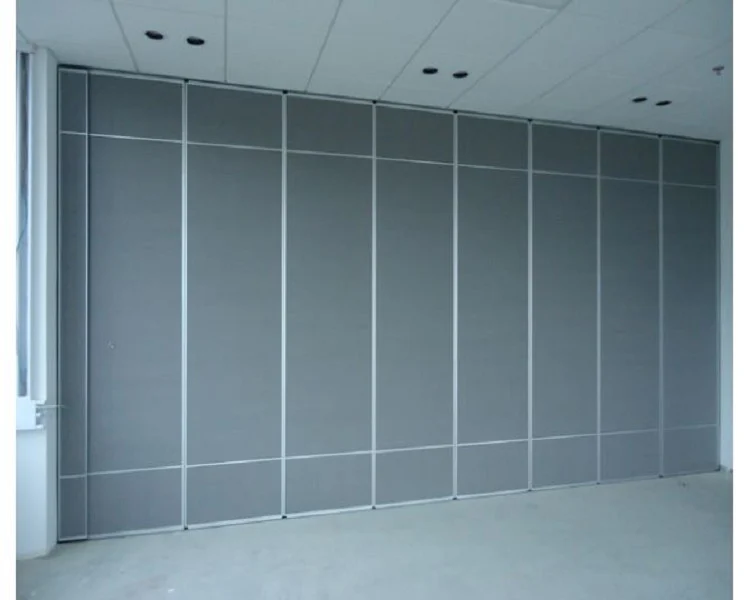
A rota only works if the physical changeover is understood. EBUNGE movable wall panels are individually movable, suspended from a top track, cross the opening without a floor track and park at a planned stacking position. Straight, turning and stacking routes are reviewed from the layout. That means the first planning document is a route map, not a shift calendar.
Walk the proposed path with the drawings. Note where panels travel, where they park and how the opening is cleared. The exact route, junction arrangement, continuous overhead path and parking position must be confirmed from the coordinated project drawings. Every proposed movement path requires a continuous connected overhead route and project-specific support review. If the route is unclear, the rota cannot be reliable.
What the Route Map Should Show
- Opening width and the clear crossing line.
- Parking position and stacking direction.
- Any turning point or change of direction.
- Adjacent doors, finishes or fixed furniture that affect movement.
- Who confirms the final layout and when.
Separate Confirmed Facts From Project Assumptions
Coordination scope: changeover coverage rota.
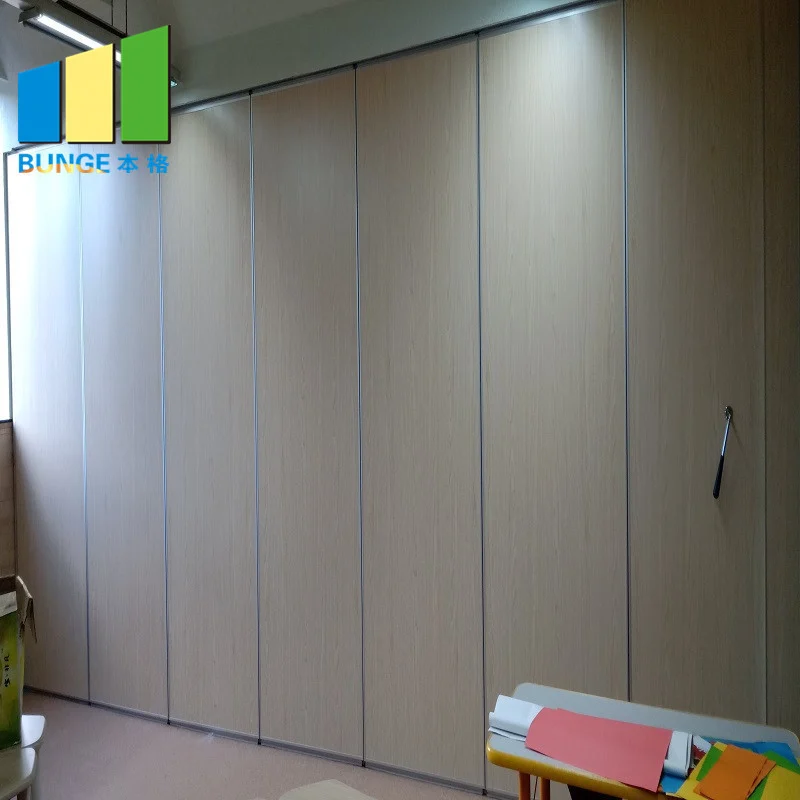
Changeover planning often fails because teams mix maintained product facts with site assumptions. Confirmed finish options include laminate, melamine, fabric, leather, glass and other approved surfaces. Pass-door requirements and project documentation can be discussed. The suitability of each route and parking arrangement depends on the approved layout, circulation, ceiling interfaces and operating sequence.
Write two columns in your planning file: confirmed and to be confirmed. Confirmed items come from maintained product information and signed project documents. To-be-confirmed items include support points, acoustic requirements, dimensional tolerances and any finish suitability for the actual environment. This separation keeps the rota honest.
Evidence Note
Do not derive hidden acoustic, fire, durability, load, maintenance, certification or commercial performance from a visible shape, finish, photograph or drawing. Comparative, absolute and causal statements require corresponding evidence. Otherwise, state the exact project-specific confirmation boundary.
Build the Rota Around Changeover Events
Checklist focus: changeover coverage rota.
A changeover event is any moment a room must move from one configuration to another. List the events that occur during peak annual leave periods. Then identify which events can be covered by trained staff, which require supervisor sign-off and which must be rescheduled. The rota should reflect the event, not just the person.
For each event, record the start condition, the end condition and the route used. If a pass door is part of the layout, note how it affects movement and access. Do not invent operating tools, manpower numbers or operating method. Use only what the project documentation confirms.
Numbered Process for a Resilient Rota
- Map every changeover event for the leave period.
- Assign a primary and backup owner for each event.
- Confirm the route and parking position against the latest drawings.
- Check that finish and pass-door requirements are documented.
- Record the acoustic and dimensional questions that still need project-specific answers.
- Review the rota with the site team before leave begins.
- Update the rota after any layout change.
Use a Compact Comparison to Choose Coverage Options
Different coverage models suit different facilities. The table below compares common approaches without claiming performance or cost outcomes. The exact overhead route and support arrangement must be confirmed by the responsible project team from coordinated drawings.
| Coverage Option | Best Used When | Main Planning Check |
|---|---|---|
| Single trained owner | Changeovers are infrequent and route is simple | Backup availability during leave |
| Paired coverage | Multiple rooms change over on the same day | Handover notes and route consistency |
| Supervisor-led | Layout changes affect several departments | Sign-off before and after each event |
| External coordination | Site team is unavailable for a defined period | Access, documentation and responsibility |
Document Handovers So Leave Does Not Break the Chain
Annual leave creates gaps in informal knowledge. A written handover reduces that risk. Keep a single changeover log with the date, room, configuration, route and any issue found. Attach the relevant drawing revision. If a panel does not park as expected, record it as an open item rather than adjusting the rota silently.
Handover notes should also capture acoustic questions. If acoustic separation matters for a room, ask for project-specific confirmation.
Decision Checklist for Leave Periods
- Are all changeover events listed with dates and times?
- Does each event have a named owner and backup?
- Is the route map current and approved?
- Are finish and pass-door requirements documented?
- Are open acoustic and dimensional questions visible?
- Is there a clear escalation contact?
Coordinate With the Wider Facility Operations Plan
Changeover coverage does not sit alone. It interacts with cleaning, events, maintenance and room booking. Facility Operations Planning coordination means sharing the rota with everyone who affects room readiness. If a room is booked immediately after a changeover, the rota must allow enough time for the documented process. Panel handling and the operating sequence must be confirmed for the selected layout and project conditions.
For movable partition projects, review the layout with the product documentation. The movable walls product page provides maintained context. The resources page supports buyer and project planning. Use these alongside project-specific drawings, not as a substitute for them.
FAQ: Changeover Coverage and Annual Leave
What is changeover coverage rota annual leave planning?
It is the process of scheduling and documenting who covers room changeovers when regular staff are on leave. It links staffing, route maps and project documentation so flexible rooms remain usable.
Do movable partitions need a floor track for changeover?
EBUNGE movable wall panels are top-hung and cross the opening without a continuous floor running track or floor hardware along the partition line. Every proposed movement path still requires a continuous connected overhead route and project-specific support review.
Can the rota guarantee acoustic separation?
No. Confirm acoustic requirements for each project.
Which finish options should be recorded in the rota?
Confirmed finish options include laminate, melamine, fabric, leather, glass and other approved surfaces. Record the approved finish for each room and note any cleaning or handling questions for project-specific confirmation.
How should pass doors be handled during leave?
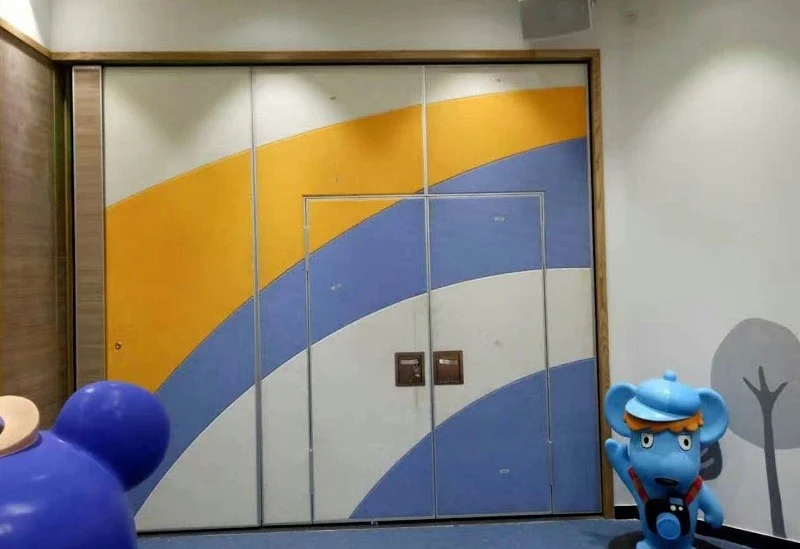
Pass-door requirements and project documentation can be discussed. If a pass door is part of the layout, include it in the route map and handover notes so temporary coverage does not miss access requirements.
What should be confirmed before the leave period starts?
Confirm the route map, parking position, event owners, backup coverage, finish schedule and any open acoustic or dimensional questions. Use the latest approved drawings and keep the rota updated after any change.
Conclusion and Next Step
A changeover coverage rota survives annual leave when it is built on route maps, documented events and clear evidence boundaries. Keep confirmed product facts separate from project-specific assumptions. Review support, acoustic and dimensional requirements with the project team. Then test the rota before leave begins and update it when the layout changes.
To discuss pass-door requirements, project documentation or layout review for your next flexible-space project, contact EBUNGE.