
Quick answer: architect partition interface query standup
Review focus: architect partition interface query standup.
The exact overhead route and support arrangement must be confirmed by the responsible project team from coordinated drawings. The goal is not to solve everything in the meeting. It is to expose interface queries while drawings are still cheap to change.
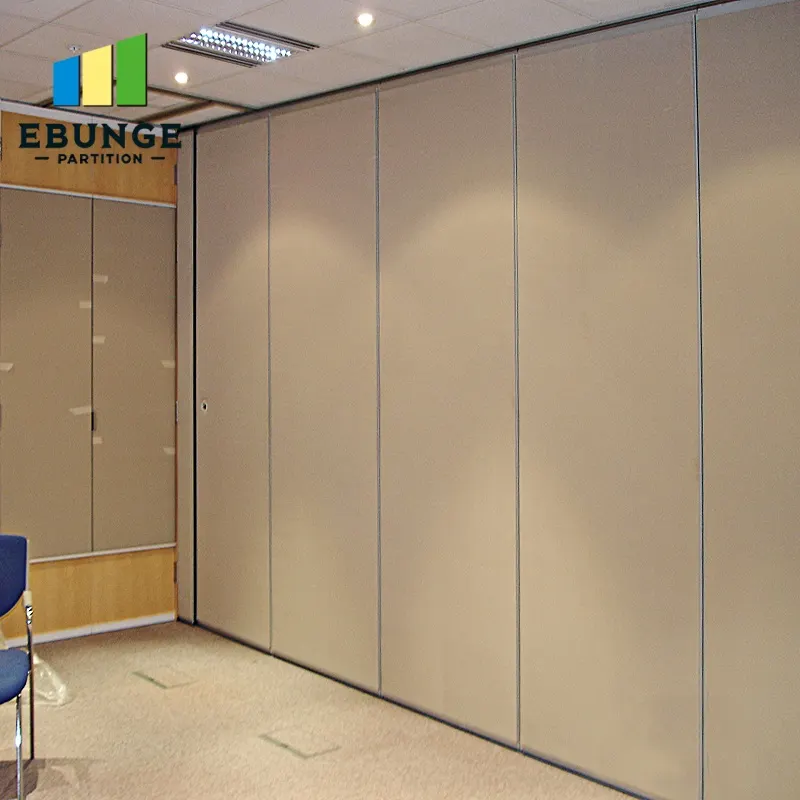
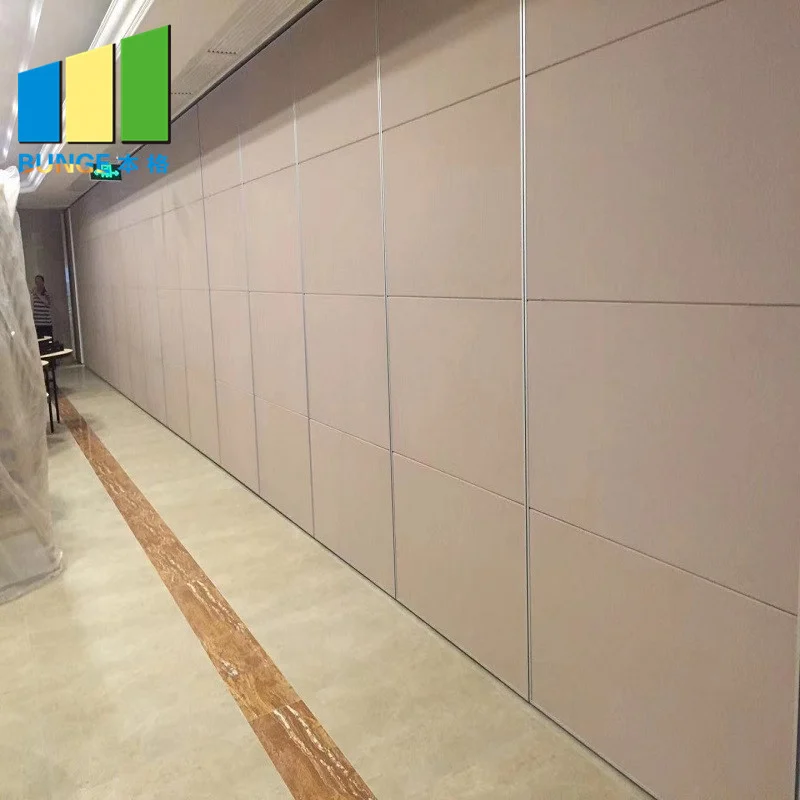
Movable wall panels are individually movable, suspended from a top track, cross the opening without a floor track, and park at a planned stacking position. That single sentence creates most of the coordination agenda. Straight, turning and stacking routes must be reviewed from the layout, and every proposed movement path needs a continuous connected overhead route with project-specific support review.
Why a Standup Beats a Long Coordination Meeting
Project review term: architect partition interface query standup.
Partition interfaces fail quietly. A ceiling detail looks fine, a finish transition looks resolved, and the stacking zone looks empty on plan. The problem appears when someone asks how the panels actually reach the park position or what happens at a corner.
A standup works because it is short, recurring and query-led. Each discipline brings open questions rather than status updates. The architect records the query, the evidence needed, the owner of the answer and the date it must return. That record becomes the audit trail for the next drawing issue.
Keep the scope narrow
Limit the standup to partition interfaces: head condition, track route, turning geometry, stacking zone, finish transitions, pass-door requirements and documentation. The suitability of each route and parking arrangement depends on the approved layout, circulation, ceiling interfaces and operating sequence.
A Six-Step Standup Workflow
Coordination scope: architect partition interface query standup.
- Post the current layout. Use the latest coordinated plan and reflected ceiling plan so everyone reviews the same geometry.
- Walk the route. Trace the straight run, any turning movement and the stacking route from the layout, not from memory.
- List interface queries. Capture each question as a short statement with the drawing or detail it affects.
- Separate confirmed from assumed. Mark what is confirmed by maintained product facts and what still needs project-specific confirmation.
- Assign evidence owners. Name who will confirm support, acoustic, dimensional or finish requirements, and by when.
- Close the loop. Re-check closed queries against the next drawing revision before issuing.
Interface Query Checklist for Drawing Review
Checklist focus: architect partition interface query standup.
Use a checklist so the same categories are reviewed every cycle. It keeps the standup from drifting into general design discussion.
| Interface | Query to raise | Evidence needed |
|---|---|---|
| Head and track | Is the overhead route continuous across the opening and any turn? | Project-specific support and dimensional review |
| Floor line | Is the partition line free of a continuous floor track? | Confirmed product configuration |
| Stacking zone | Where do panels park, and does the layout allow it? | Layout review and customized parking confirmation |
| Finish transition | How does the approved finish meet adjacent surfaces? | Finish sample and project detail review |
| Pass door | Is a pass-door requirement part of the opening strategy? | Project documentation discussion |
| Acoustic intent | What acoustic requirement applies to this opening? | Project-specific acoustic confirmation |
What the Standup Can and Cannot Confirm
Review focus: architect partition interface query standup.
The standup can confirm that a query exists, who owns it and which drawing it affects. It can confirm that a route has been traced on the current layout. It can confirm that a finish option is under consideration.
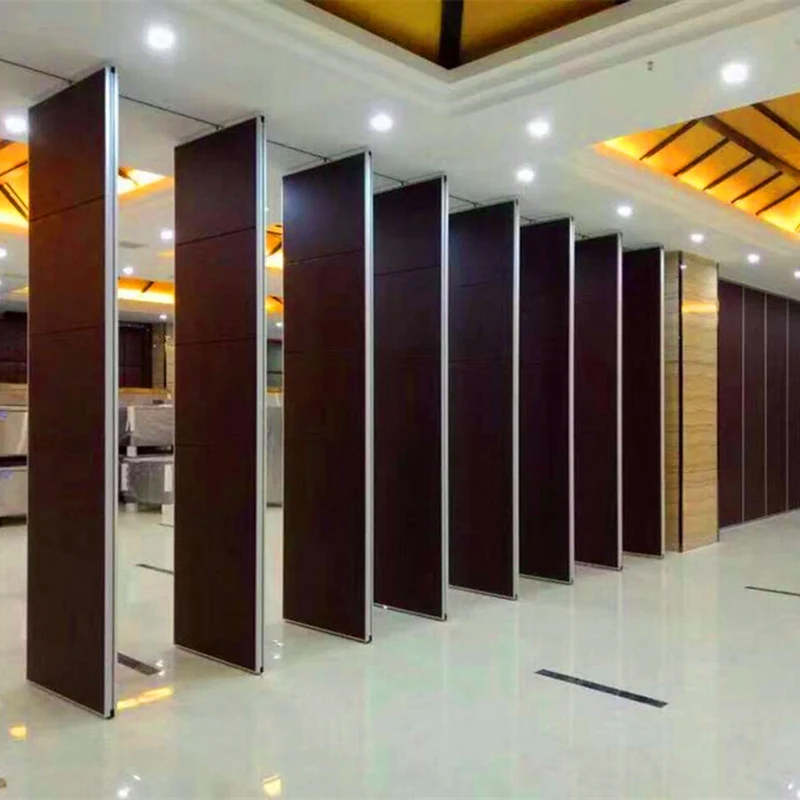
Do not derive hidden performance from a visible shape, finish, photograph or drawing. Comparative, absolute and causal statements need corresponding evidence or an explicit confirmation boundary.
Use an evidence note
Evidence note: Confirmed product facts describe top-hung movement, clear floor crossing and planned parking.
Handling Acoustic Language Without Overclaiming
Project review term: architect partition interface query standup.
Seals, junctions and adjacent construction all influence the result.
In the standup, treat acoustic intent as a query category. Ask what requirement applies, which assembly is being considered and what project-specific evidence will be provided. Avoid promising soundproofing. If the requirement is critical, route it to the appropriate acoustic reviewer.
Running the Standup Across Project Stages
Concept and schematic design
Focus on route logic. Can the opening be crossed, turned and parked according to the layout? Flag any stacking zone that conflicts with other uses.
Design development
Focus on interfaces. Head condition, finish transitions, pass-door requirements and documentation expectations move to the front. Confirm which finish options are being carried forward.
Tender and construction
Focus on closure. Every open query should have an owner and a required date. Confirm that issued drawings reflect closed queries and that project-specific support, acoustic and dimensional requirements are documented.
Common Failure Patterns to Avoid
- The exact route, junction arrangement, continuous overhead path and parking position must be confirmed from the coordinated project drawings.
- Leaving the stacking zone unresolved until after finishes are selected.
- Letting acoustic queries sit without a named reviewer.
- Closing a query verbally without updating the drawing record.
Each pattern has the same root cause: an interface was treated as resolved before the evidence existed. The standup is designed to catch that moment.
Frequently Asked Questions
What is an architect partition interface query standup?
It is a short recurring meeting where the design team reviews open questions about how a movable partition meets structure, finishes, routes and adjacent systems. It is query-led rather than status-led.
Which project information is required before the first standup?
Bring the current coordinated layout, reflected ceiling plan, opening schedule and any known finish or pass-door requirements. Project-specific support, acoustic and dimensional requirements should be listed as queries if not yet confirmed.
Can the standup confirm acoustic performance?
No. The standup can record acoustic intent and assign a reviewer.
How should the team handle stacking and parking questions?
Trace the stacking route on the layout and confirm that the parking position is coordinated with other uses. Parking style is customized to the customer layout and project requirements, so it should be reviewed as a project-specific item.
What should happen when a query cannot be closed?
Keep it open, name the evidence owner and set a date. Do not let an unresolved interface pass into the next drawing issue without a visible note.
Where can the team find maintained product context?
Review the movable walls product page and the resources section for maintained public context. Project-specific configuration still requires confirmation.
Conclusion and Next Step
A partition interface query standup workflow keeps the difficult questions visible while the design is still flexible. Keep the meeting short, keep the queries specific, and keep the evidence boundary clear. Confirm project-specific support, acoustic and dimensional requirements before treating any interface as resolved.
To discuss pass-door requirements, finish options or project documentation, contact the EBUNGE team with your current layout and query list.