
Quick project answer
Review focus: tender query ownership.
When a tender query about track fixing changes the scope, the first question is rarely technical. It is procedural: who owns the answer, and who owns the consequence? The suitability of each route and parking arrangement depends on the approved layout, circulation, ceiling interfaces and operating sequence. This article provides an evidence-bounded framework for assigning that ownership without inventing engineering conclusions.
Why Track Fixing Queries Change Scope
Project review term: tender query ownership.
Movable wall panels are individually movable, suspended from a top track, cross the opening without a floor track, and park at a planned stacking position. That maintained product fact has a direct procurement consequence: the overhead route is part of the system logic, not an accessory. If the route, support condition or parking position is unresolved at tender stage, the answer can shift responsibility between packages.
A query may ask whether the track can follow a straight, turning or stacking route shown on the layout. It may ask who confirms the supporting structure. It may ask whether a pass-door requirement affects the panel sequence. Each question can change the scope boundary if the answer is treated as a design instruction rather than a request for project-specific confirmation.
Who Owns the Query: A Role Map
Coordination scope: tender query ownership.
Ownership is not the same as authorship. The person who writes the query may not be the person who must confirm the answer. A practical role map separates four functions: raising the query, providing project-specific evidence, accepting the scope consequence, and recording the outcome.
Raising and routing
The contractor or tender coordinator usually raises the query because they see the gap between drawings and specification. Routing should follow the subject matter, not hierarchy. The exact route, junction arrangement, continuous overhead path and parking position must be confirmed from the coordinated project drawings.
Confirming and accepting
The architect or owner’s representative typically confirms design intent. The partition supplier can explain maintained product facts and review the layout, but should not be asked to certify another party’s structure.
Evidence Boundaries Before You Answer
Checklist focus: tender query ownership.
An answer that changes scope should be traceable to evidence. Without that trace, the tender record becomes a source of dispute rather than clarity. The following evidence note is a reminder of what can and cannot be concluded from common documents.
Evidence note: A layout drawing can show a proposed straight, turning or stacking route. It does not, by itself, confirm support capacity, acoustic performance, fire performance or installation feasibility. Those require project-specific review by the responsible parties. Do not infer hidden performance from a visible line, finish or photograph.
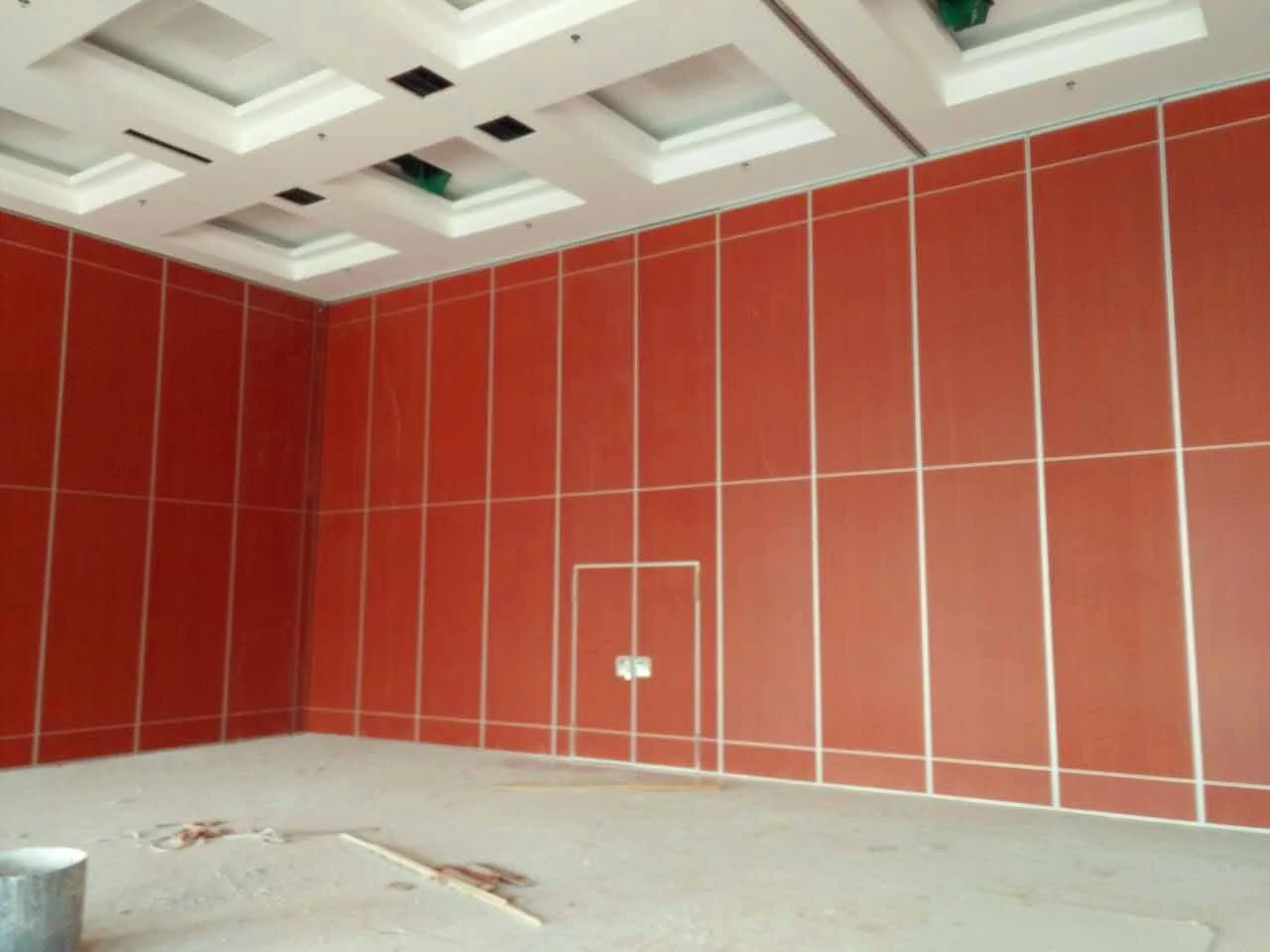
Finish options such as laminate, melamine, fabric, leather, glass and other approved surfaces describe appearance and surface selection.
A Decision Checklist for Scope Ownership
Review focus: tender query ownership.
Use this checklist before the query response is issued. It is designed to keep the answer inside the evidence boundary while still moving the tender forward.
- Is the query about product facts or project conditions? Product facts can be answered from maintained information; project conditions require drawings and responsible-party confirmation.
- Does the answer change the overhead route? If yes, the scope consequence should be recorded with the response.
- Is the supporting structure identified? If not, the query should be routed to the party responsible for that information.
- Is the parking position coordinated? Parking style is customized to the customer layout and project requirements, so it should be reviewed against the actual room.
- Are pass-door requirements clear? Pass-door requirements and project documentation can be discussed, but they should be confirmed against the layout.
- Who accepts the revised scope? Name the accepting party before the response is closed.
Numbered Process: From Query to Recorded Outcome
Project review term: tender query ownership.
A repeatable process reduces the chance that a technical answer becomes an unowned commercial change. The steps below are procedural, not performance claims.
- Log the query with its trigger. Record the drawing, specification clause or site condition that prompted it.
- Classify the subject. Mark it as product fact, layout coordination, support review or commercial scope.
- Route to the evidence holder. Send it to the party who can confirm the project-specific condition.
- Draft the response with boundaries. State what is confirmed, what remains open, and what must be reviewed.
- Identify the scope effect. Note whether the answer changes supply, installation, support or coordination responsibility.
- Obtain acceptance. The party who owns the consequence should accept the revised scope in writing.
- Close and distribute. Issue the final response to all tender recipients so the record is consistent.
Comparison: Query Types and Likely Owners
Coordination scope: tender query ownership.
The table below is a coordination aid. It does not replace project-specific appointments or contractual definitions.
| Query type | Likely evidence holder | Scope risk if unanswered |
|---|---|---|
| Track route geometry | Architect or layout designer | Route may not match the approved room plan |
| Supporting structure | Structural or support reviewer | Support responsibility may be assumed incorrectly |
| Panel finish selection | Design team or owner | Finish approval may be delayed |
| Pass-door requirement | Design team with supplier input | Panel sequence and layout may need revision |
| Parking position | Architect with supplier review | Stacking space may conflict with other trades |
Specification Language That Keeps Ownership Clear
Checklist focus: tender query ownership.
Specification wording can either clarify or obscure ownership. A useful clause states the performance requirement, identifies the responsible party for project-specific confirmation, and avoids implying that a supplier has certified another party’s design. For movable partitions, the specification should reference the top-hung, floor-track-free operating concept and require review of straight, turning and stacking routes from the layout.
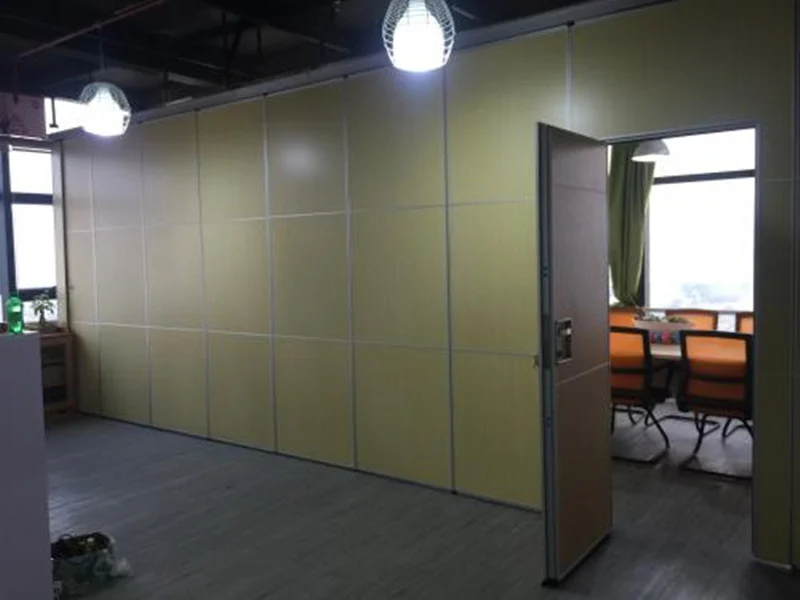
Where acoustic separation is required, the specification should ask for project-specific confirmation rather than a generic promise. Where pass-doors are required, the clause should require coordination with the panel layout and project documentation.
FAQ: Tender Query Ownership and Track Fixing
Who should own a track fixing query when the answer changes scope?
The party who holds the project-specific evidence should own the technical answer, while the party who accepts the scope consequence should own the commercial change. These are often different roles, so both should be named in the tender record.
Can the partition supplier confirm the supporting structure?
The supplier can explain maintained product facts and review the proposed route against the layout.
Does a top-hung system remove the need for support review?
No. Top-hung panels are suspended from a top track and cross the opening without a floor track, but the overhead route still requires a continuous connected path and project-specific support review.
How should acoustic requirements be handled in the query?
Acoustic requirements should be stated as project-specific needs and confirmed with matching evidence.
What if the parking position is not shown on the tender drawings?
Parking style is customized to the customer layout and project requirements. If the position is unresolved, the query should be routed to the design team for coordination before the scope is fixed.
When should a pass-door query be raised?
Pass-door requirements and project documentation can be discussed early, because they may affect panel sequence and layout. Confirm the requirement against the actual room and circulation plan.
Conclusion: Keep the Answer Inside the Evidence
Track fixing queries change scope because they touch the boundary between product facts and project conditions. The safest approach is to assign ownership by evidence, not by assumption. The exact overhead route and support arrangement must be confirmed by the responsible project team from coordinated drawings. When the answer changes the scope, record who accepted the change and distribute the final response to all tender recipients.
For project teams reviewing movable wall options, the movable walls product page provides maintained product context. Additional planning guidance is available in the resources section. To discuss pass-door requirements, project documentation or layout review, contact EBUNGE with your drawings and tender questions.