
Quick project answer
Review focus: bidder track fixing sequence claim.
An operable wall tender bidder track fixing sequence claim review is not a wording exercise. It is a drawing and evidence exercise. Bidders may describe a neat order of work, but the tender team still needs to see how the proposed sequence connects to the actual structure, the approved layout and the movement route. This article gives contractors, architects, interior designers, owners and renovation teams a practical way to compare claims without inventing performance, cost or engineering conclusions.
Why Track Fixing Sequence Claims Deserve Separate Review
Project review term: bidder track fixing sequence claim.
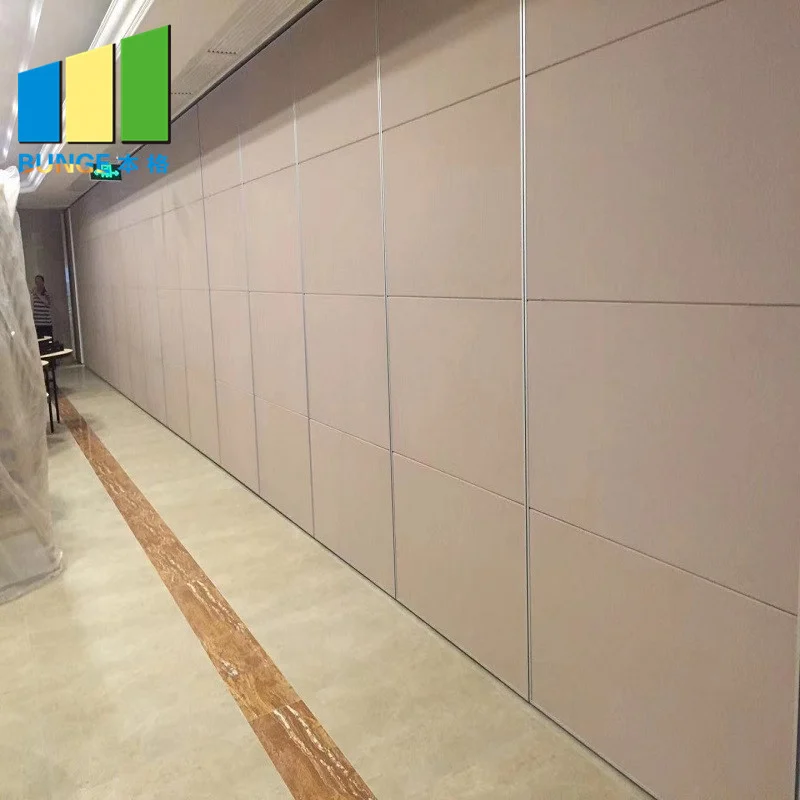
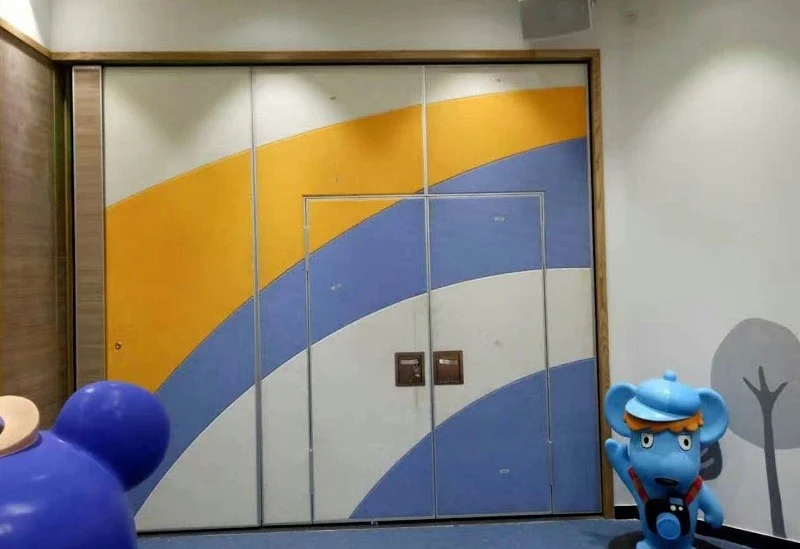
Operable wall panels are individually movable, suspended from a top track, cross the opening without a floor track and park at a planned stacking position. The exact route, junction arrangement, continuous overhead path and parking position must be confirmed from the coordinated project drawings.
A bidder may claim that track installation will follow a logical order. The review question is whether that order is visible in the submitted drawings and method statement. The suitability of each route and parking arrangement depends on the approved layout, circulation, ceiling interfaces and operating sequence.
What a Bidder Track Fixing Sequence Claim Should Show
Coordination scope: bidder track fixing sequence claim.
Ask each bidder to separate the sequence into stages that can be checked against project information. The exact stages depend on the project, but the submission should make the following visible:
- The proposed overhead route, including straight, turning and stacking sections.
- The planned parking position and how it relates to the room layout.
- The interface with adjacent trades, such as ceiling, finishes and services.
This is not a request for a generic installation manual. It is a request for evidence that the bidder has read the project drawings and understands where its sequence depends on others.
Evidence Boundaries in a Track Fixing Sequence Review
Checklist focus: bidder track fixing sequence claim.
Track fixing sequence claims often drift into unsupported territory. None of those conclusions can be drawn from a sequence description alone.
Evidence note: a sequence claim is only as strong as the drawings, interface notes and project-specific confirmations attached to it. Visible neatness is not evidence of structural capacity, acoustic performance or programme certainty.
A Step-by-Step Review Process for Project Teams
Use a consistent process so that bidders are compared on the same basis. The following numbered sequence keeps the review tied to project information.
- Collect the approved layout drawings and confirm the straight, turning and stacking routes.
- Ask each bidder to mark its proposed track fixing sequence on those drawings.
- Check whether the sequence identifies interfaces with structure, ceiling and finishes.
- List every point where the bidder says support is required, and compare it with the project’s own review.
- Confirm how the parking position is coordinated with the room’s other uses.
- Record any acoustic or dimensional requirement that still needs project-specific confirmation.
- Score the submissions against the same evidence checklist, not against the confidence of the wording.
This process does not require the tender team to design the support system. It requires the team to see whether the bidder has addressed the interfaces that the project drawings already show.
Comparing Bidder Claims Without Inventing Performance
A compact comparison table helps reviewers separate what is stated from what is evidenced. The table below is a review aid, not a performance rating.
| Claim area | What to look for | What still needs confirmation |
|---|---|---|
| Track route | Marked straight, turning and stacking sections | Project-specific support and dimensional review |
| Fixing sequence | Stages linked to drawings and trade interfaces | Structural review and programme coordination |
| Parking position | Planned stacking location shown on layout | Coordination with room use and adjacent elements |
| Acoustic expectation | Reference to project requirements | Project-specific acoustic confirmation |
| Finish interface | Finish options such as laminate, melamine, fabric, leather or glass noted where relevant | Approved surface and project-specific detailing |
Where a bidder makes a comparative claim, ask for the corresponding evidence. If the evidence is not available, the claim should be treated as unconfirmed rather than accepted.
Coordinating the Sequence With the Wider Construction Programme
Track fixing does not happen in isolation. The sequence must fit the ceiling and finish programme, and it must respect the point at which the overhead route can be safely supported.
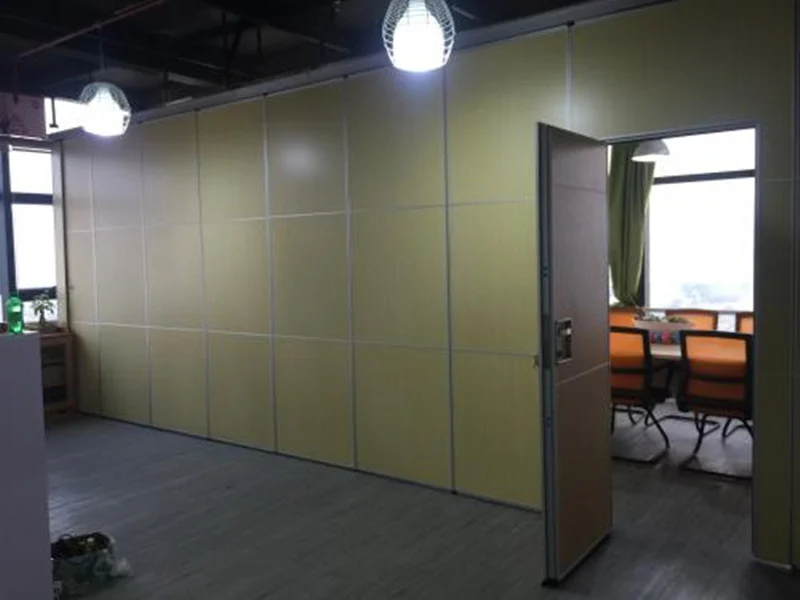
Project teams should also confirm pass-door requirements and project documentation early.
For general product context, see the operable partition product page. For broader planning material, the resources section provides additional reading. Project-specific questions can be raised through the contact page.
Frequently Asked Questions
What is the first thing to check in a bidder track fixing sequence claim?
Check whether the claimed sequence is marked on the project layout drawings.
Can a track fixing sequence claim confirm acoustic performance?
No.
How should parking position be reviewed in the tender?
Ask the bidder to show the planned stacking position on the layout. Then confirm that it suits the room’s other uses and the coordinated design.
What if a bidder says no structural review is needed?
Treat that statement as unconfirmed.
Do finish options affect the track fixing sequence review?
Finish options such as laminate, melamine, fabric, leather and glass are separate from the sequence, but they may affect interface details. Confirm approved surfaces and project-specific detailing separately.
When should pass-door requirements be discussed?
Discuss them during tender review or earlier. Pass-door requirements and project documentation can be discussed with the supplier so that the layout and sequence are coordinated.
Conclusion: Keep the Review Tied to Project Evidence
A disciplined review of bidder track fixing sequence claims protects the project from confident but unsupported statements.
To discuss your project requirements, contact EBUNGE and share the layout information your team is working from.