
Quick project answer
Review focus: bidder track fixing sequence.
The exact route, junction arrangement, continuous overhead path and parking position must be confirmed from the coordinated project drawings. The goal is not to find the cheapest claim, but to test whether the sequence is buildable, coordinated and supported by project-specific evidence. Because operable wall panels are individually movable, suspended from a top track, cross the opening without a floor track and park at a planned stacking position, the track fixing sequence directly affects whether the finished partition can operate as intended. This article provides an evidence-bounded framework for overseas contractors, architects, interior designers, owners and procurement teams reviewing tenders.
Why Track Fixing Sequence Claims Deserve Separate Scrutiny
Project review term: bidder track fixing sequence.
Track fixing sequence is often buried in a method statement or a single line in a bid. Yet the sequence determines when the track is set, how it is aligned, how it connects to the supporting structure and how later trades can work around it. A bidder may describe a logical order without showing how the supporting structure will receive the track or how the overhead route remains continuous across the opening and into the parking area.
For movable partitions, the panels travel along a top track. The route must be continuous and connected. The audit should separate what the bidder has shown from what the bidder has assumed.
What a Bidder Should Show in the Track Fixing Sequence
Coordination scope: bidder track fixing sequence.
A useful submission links the sequence to drawings, not just words. The reviewer should be able to trace the track from the first fixing point to the parking position and understand how the supporting structure is prepared before the track is installed.
Drawing and coordination evidence
Ask for a layout drawing that shows the straight, turning and stacking routes. The suitability of each route and parking arrangement depends on the approved layout, circulation, ceiling interfaces and operating sequence. If the drawing stops at the opening and does not show the parking area, the sequence is incomplete.
Support and interface assumptions
The bidder should state what support is required and who provides it. This is a project-specific engineering matter.
A Practical Audit Checklist for Procurement Teams
Checklist focus: bidder track fixing sequence.
Use the following checklist to compare bidder claims consistently. It is a review tool, not a substitute for project-specific engineering or acoustic design.
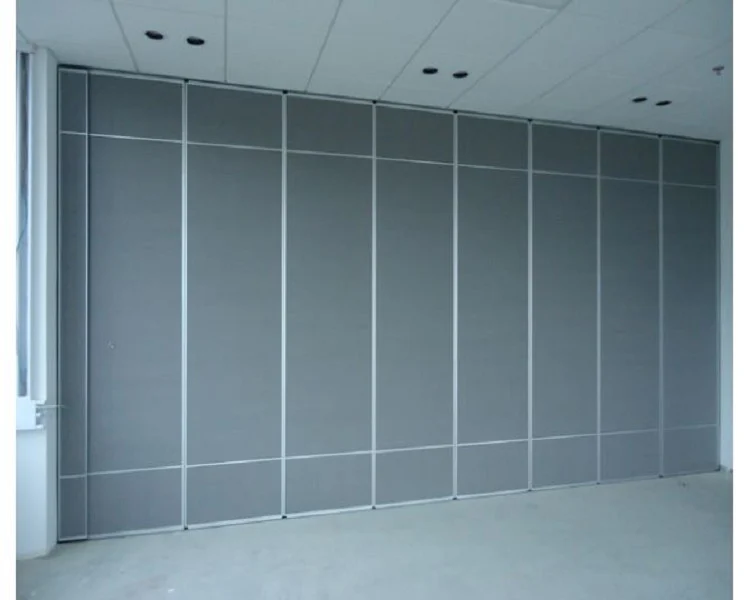
- Sequence completeness: Does the bidder describe the order from support preparation to track alignment to panel hanging and parking?
- Route continuity: Are straight, turning and stacking routes shown as connected overhead paths?
- Interface clarity: Are ceiling, services, structural and finish interfaces identified?
- Evidence boundary: Does the bidder separate confirmed project facts from assumptions?
- Documentation: Are drawings, schedules and pass-door requirements referenced where relevant?
- Coordination: Does the sequence identify when other trades must complete their work?
How to Read Acoustic and Seal Claims in a Tender
Review focus: bidder track fixing sequence.
Seals, junctions and the surrounding construction all influence the outcome.
If those details are missing, treat the claim as unverified and request clarification.
Comparing Bidder Track Fixing Sequence Submissions
Project review term: bidder track fixing sequence.
The table below offers a compact way to compare submissions. It focuses on evidence and coordination rather than price or performance promises.
| Review area | Strong submission | Weak submission |
|---|---|---|
| Route drawing | Shows straight, turning and stacking routes with connected overhead path | Shows only the opening or omits parking area |
| Support statement | Identifies required support and responsible party | Assumes existing structure is adequate |
| Sequence detail | Describes order and trade interfaces | Generic method statement without project links |
| Evidence boundary | Separates confirmed facts from assumptions | Mixes performance claims with unverified data |
Questions to Put to Every Bidder
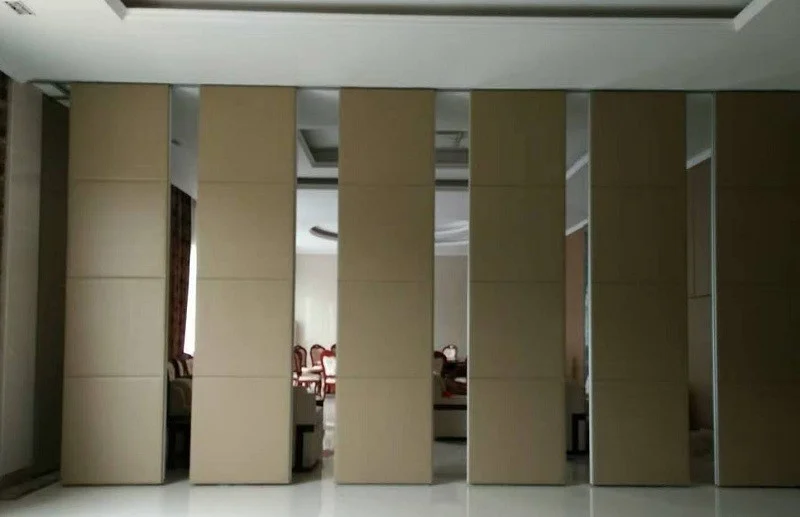
A short written clarification round can reveal whether a bidder understands the project. The exact overhead route and support arrangement must be confirmed by the responsible project team from coordinated drawings. Ask how the sequence accommodates the parking position and whether the parking area has been reviewed in the layout.
Ask which finish options are proposed and whether they affect the sequence or handling. Confirmed finish options include laminate, melamine, fabric, leather, glass and other approved surfaces. Finish choice is a project decision, but the bidder should show that the sequence accounts for the selected panels and any pass-door requirements.
Documentation and Project-Specific Confirmation
No tender review can confirm support, acoustic or dimensional requirements without project drawings and a responsible engineering review. The audit should record what the bidder has provided, what remains open and what must be confirmed before award. This protects the project from discovering a sequence gap during installation.
For general product context, the operable partition product page describes the top-hung, floor-track-free concept. Additional planning guidance is available in the resources section. Project teams with specific tender questions can contact EBUNGE to discuss documentation and pass-door requirements.
Frequently Asked Questions
What is a track fixing sequence audit in an operable wall tender?
It is a review of how each bidder proposes to prepare support, install and align the overhead track, and connect the movement route before panels are hung. The audit checks whether the sequence is complete, coordinated and supported by drawings.
Can a bidder claim acoustic performance without project-specific evidence?
No. A bidder should provide project-specific evidence for the proposed configuration, opening and installation conditions. Otherwise the claim remains unverified.
Why does the parking position matter in the sequence review?
Panels park at a planned stacking position. If the sequence or layout does not show how panels reach that position along a connected overhead route, the proposal is incomplete and should be clarified before award.
Does every operable wall require a floor track?
EBUNGE movable partition panels are top-hung and move without a continuous floor running track or floor hardware along the partition line.
What finish options can be discussed during tender review?
Confirmed finish options include laminate, melamine, fabric, leather, glass and other approved surfaces. The bidder should show that the proposed finish and any pass-door requirements are compatible with the sequence and panel handling.
Who should confirm structural support for the track?
The tender review can identify assumptions, but it cannot replace project-specific engineering verification.
Conclusion: Audit the Sequence, Not Just the Price
A disciplined operable wall tender bidder track fixing sequence audit helps project teams compare submissions on evidence, coordination and buildability. Focus on connected overhead routes, documented support assumptions, clear trade interfaces and project-specific confirmation. Avoid accepting performance promises that are not tied to drawings or verified data. For tender documentation, pass-door requirements and project-specific discussions, contact EBUNGE.