
Quick project answer
Review focus: track fixing sequence.
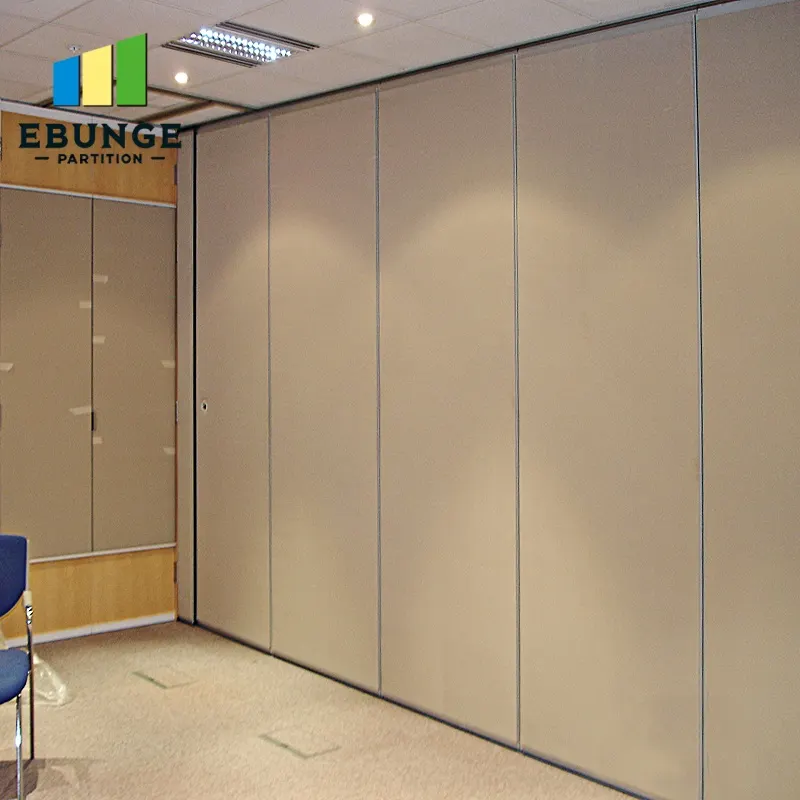
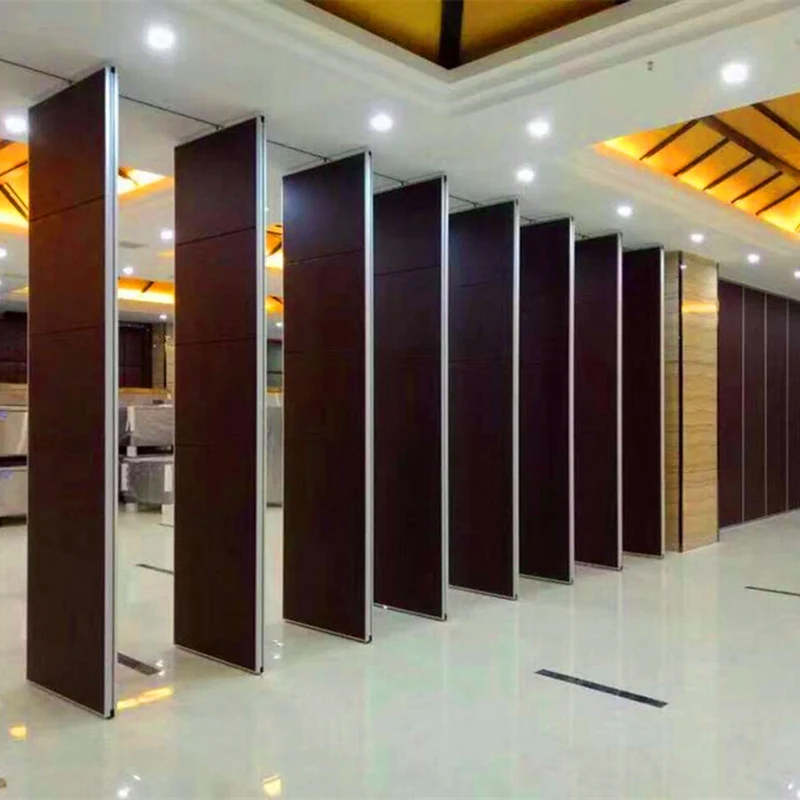
A bidder track fixing sequence tender programme audit asks one disciplined question: does the bidder’s stated order of work match the drawings, the structure and the dates the project can actually control? For movable partitions, the panels are individually movable, suspended from a top track, cross the opening without a floor track and park at a planned stacking position. That makes the overhead route, not the panel face, the first thing to audit.
This framework is for contractors, architects, interior designers, owners, renovation teams, distributors and construction teams comparing submissions. The suitability of each route and parking arrangement depends on the approved layout, circulation, ceiling interfaces and operating sequence. Every project still needs its own drawing review and written confirmation of support, acoustic and dimensional requirements.
Why the Track Fixing Sequence Belongs in the Tender Review
Project review term: track fixing sequence.
Bidders often describe panels and finishes in detail, then treat track fixing as a short line in a method statement. The sequence matters because the track must be continuous and supported along the whole movement path before panels can travel. Straight, turning and stacking routes are reviewed from the layout, so a bidder who has not studied those routes cannot credibly sequence the work.
An audit converts vague assurances into checkable statements. You are not asking for a guarantee. You are asking the bidder to show where the track runs, what it fixes to, when that substrate becomes available and how the programme protects the route until handover.
Start With the Drawing Set, Not the Narrative
Coordination scope: track fixing sequence.
What the bidder should be able to mark up
Ask for the proposed track line drawn over the architectural layout, including every turn and the planned stacking position. The bidder should identify the supporting structure along that line and note any location where the route depends on another trade’s work. The exact route, junction arrangement, continuous overhead path and parking position must be confirmed from the coordinated project drawings.
Evidence limits you should state in the review
A drawing shows intent, not capacity. Those items require project-specific confirmation from the responsible parties. Record the boundary in your review notes so the evaluation does not drift into assumptions.
Evidence note: a bidder’s marked-up route is a coordination document. It is not proof of support capacity, acoustic result or programme certainty until the relevant project-specific checks are confirmed in writing.
A Six-Step Audit Process for the Submission
Checklist focus: track fixing sequence.
- Map the route. Trace the straight, turning and stacking routes on the bidder’s drawing and compare them with the tender layout.
- List the dependencies.
- Place the sequence on the programme. Mark when each dependency is due and when the bidder proposes to fix the track.
- Define hold points. Agree the inspections or confirmations required before track fixing starts and before panels are hung.
- Check the parking position. Confirm the stacking location is coordinated with adjacent trades and does not block required circulation.
- Close the evidence gaps. List every statement that still needs project-specific confirmation and assign an owner.
Comparing Bidder Responses on the Same Basis
Use a compact comparison so submissions are judged on sequence logic rather than presentation style. The table below is a review aid, not a scoring formula.
| Audit item | What to look for | Common gap |
|---|---|---|
| Route drawing | Full track line with turns and stacking position | Only a straight run shown |
| Dependency list | Named preceding works and responsible parties | Generic “after structure” wording |
| Programme logic | Track fixing linked to real dates and hold points | Single duration with no predecessors |
| Parking coordination | Stacking position checked against layout | Position assumed, not drawn |
| Confirmation list | Open items with owners and dates | Assurances without evidence |
Hold Points That Protect the Programme
A hold point is a pause where the next step cannot start until a defined confirmation is recorded. For track fixing, useful hold points include confirmation that the supporting structure is ready, that the route has been checked against the latest layout and that the stacking position remains available. These are coordination controls, not performance claims.
Bidders who resist hold points often intend to fix track early and resolve conflicts later. That approach can force rework if the layout changes. A credible bidder will accept hold points and show how the programme absorbs them.
Questions to Put to Every Bidder
- Can you mark the complete track route, including turns and the stacking position, on our latest layout?
- Which preceding works must be complete before track fixing, and who owns each one?
- Where does your sequence depend on information we have not yet issued?
- How will you protect the installed route from other trades before handover?
- Which statements in your submission still require project-specific confirmation?
Finish options such as laminate, melamine, fabric, leather, glass and other approved surfaces can be discussed alongside the sequence, but finish selection should not be used to distract from route and programme logic. Pass-door requirements and project documentation can also be discussed with the project team.
FAQ: Auditing Track Fixing Sequences
What is a bidder track fixing sequence tender programme audit?
It is a structured review of whether a bidder’s proposed order of track fixing work matches the project drawings, dependencies and programme dates, with open items recorded for confirmation.
Why does the track route matter more than the panel description?
Panels are suspended from a top track and travel along a continuous supported route. If the route, turns or stacking position are unresolved, the panel description cannot make the installation sequence workable.
Can a bidder fix track before the ceiling or services are complete?
That depends on the project. The audit should identify which preceding works affect the track line and agree hold points so fixing does not create avoidable rework.
How should acoustic performance be treated in this audit?
Actual acoustic requirements must be confirmed for the specific project, layout and construction.
What if the bidder’s drawing shows a gap in the track route?
Ask for clarification.
Does a good sequence guarantee programme delivery?
No. Visible references can support layout discussion but do not verify hidden construction or performance. Confirm these project-specific factors before relying on any programme.
Conclusion and Next Step
A bidder track fixing sequence tender programme audit is strongest when it stays close to the drawings and honest about evidence limits. Mark the route, list the dependencies, place hold points and record every item that still needs project-specific confirmation. That discipline helps owners and design teams compare bidders on coordination quality rather than confident wording.
To discuss movable wall layouts, track routes, finish options, pass-door requirements or project documentation, contact EBUNGE. You can also review the movable walls product range and the project resources before your next tender review.