
Quick answer: score bidder track fixing sequence
Review focus: score bidder track fixing sequence.
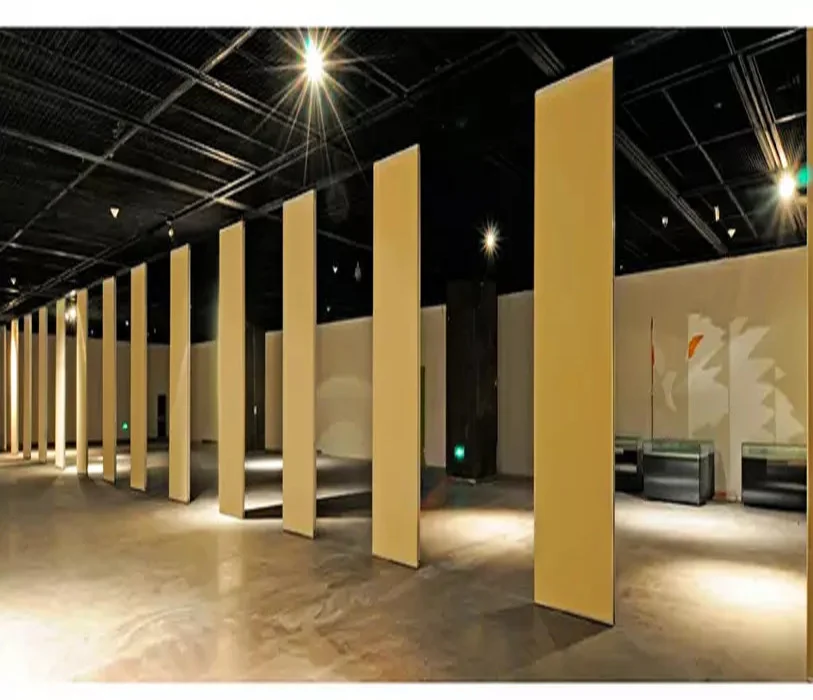
To score bidder track fixing sequence claims tender review fairly, separate what a bidder states from what the drawings and maintained product facts actually show. Movable wall panels are individually movable, suspended from a top track, cross the opening without a floor track, and park at a planned stacking position. That sequence is the backbone of any credible track fixing claim. When a submission describes installation order, support coordination or route logic, reviewers should ask whether the claim is visible in the documents, whether it matches the layout, and whether it depends on project-specific confirmation. This article offers an evidence-bounded scoring framework for contractors, architects, interior designers, owners and procurement teams.
Why Track Fixing Sequence Claims Need a Scoring Method
Project review term: score bidder track fixing sequence.
A track fixing sequence claim is not a single statement. It usually combines a support condition, a movement route, a parking position and an installation order. If reviewers score these as one lump, a polished narrative can hide gaps. A structured method lets you compare bidders on the same visible evidence.
The goal is not to reward the longest description. The exact overhead route and support arrangement must be confirmed by the responsible project team from coordinated drawings. This protects the project from treating an assumption as a confirmed fact.
What Counts as Visible Evidence in a Bid
Coordination scope: score bidder track fixing sequence.
Visible evidence means information a reviewer can inspect in the submitted documents. It does not include inferred performance, hidden engineering, or verbal assurances that are not reflected in the package. For track fixing sequence claims, useful evidence typically includes layout drawings, reflected ceiling information, route diagrams and written sequencing notes.
The exact route, junction arrangement, continuous overhead path and parking position must be confirmed from the coordinated project drawings. The second is stronger because it can be checked against the layout. The first may still be acceptable, but it should be scored as a conditional claim.
Evidence note: what a drawing can and cannot prove
Drawings can show a proposed route, a parking location and a described fixing sequence. They do not, by themselves, prove structural capacity, acoustic performance, fire performance or application reference outcomes. Those items require separate project-specific confirmation.
A Six-Part Scoring Framework for Reviewers
Checklist focus: score bidder track fixing sequence.
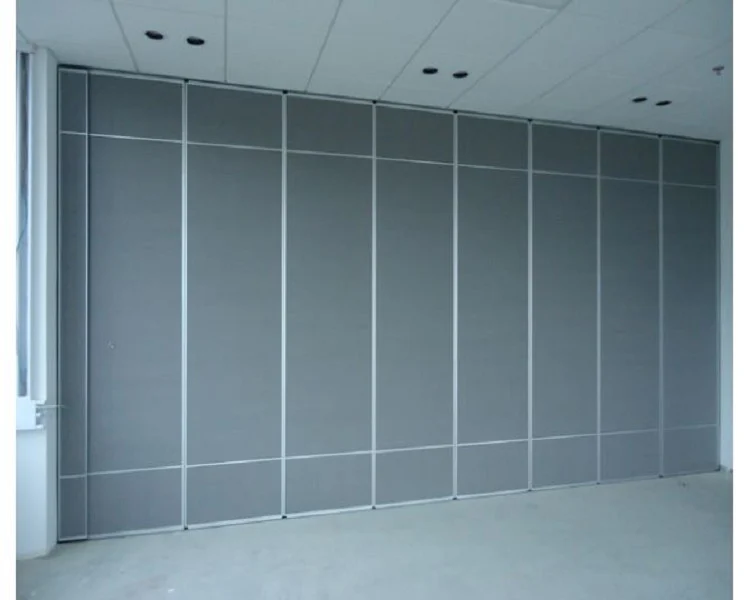
Use the same six criteria for every bidder so the comparison stays consistent. Score each criterion as supported, partially supported or requiring confirmation. Avoid converting these categories into unsupported numerical performance claims.
- Route continuity: Does the bidder show a continuous connected overhead route for straight, turning and stacking movements?
- Support coordination: Does the submission identify where support review is needed and who must confirm it? It should not present assumed support conditions as verified.
- Parking logic: Is the planned stacking position shown and coordinated with the layout? Parking style is customized to the customer layout and project requirements.
- Sequence clarity: Is the installation order described in a way that can be followed on site without inventing missing steps?
- Interface awareness: Does the bidder note interfaces with ceiling, structure, adjacent trades and finish surfaces?
- Documentation completeness: Are drawings, notes and pass-door requirements addressed where relevant?
How to Compare Bidder Claims Without Overreach
Review focus: score bidder track fixing sequence.
Comparison tables help reviewers see where bidders differ. The table below is a review aid, not a performance rating. It focuses on what is visible in the submission and what still needs confirmation.
| Review criterion | Stronger submission signal | Needs clarification |
|---|---|---|
| Route continuity | Shows connected overhead route for straight, turning and stacking paths | Describes movement without a continuous route |
| Support coordination | Flags project-specific support review and responsible party | Assumes support without drawing reference |
| Parking position | Locates stacking area on the layout | Mentions parking without a coordinated position |
| Sequence description | Ordered steps tied to the drawing | Generic narrative with no drawing link |
| Documentation | Notes pass-door requirements and project documentation | Leaves interfaces unaddressed |
Red Flags and Clarification Requests
Some claims should trigger a clarification request rather than a score. The suitability of each route and parking arrangement depends on the approved layout, circulation, ceiling interfaces and operating sequence.
Reviewers should keep finish selection separate from track fixing sequence scoring.
Decision checklist for the review meeting
- Is the track fixing sequence shown on a drawing, or only described in text?
- Does the route remain continuous through straight, turning and stacking sections?
- Is the parking position coordinated with the architectural layout?
- Are support conditions marked for project-specific confirmation?
- Are pass-door requirements and project documentation addressed?
- Are acoustic concepts such as STC or Rw discussed as concepts rather than reduced to a direct count of decibels?
Coordinating Procurement and Tender Review
Technical reviewers check route continuity, support coordination and parking logic. Commercial reviewers check that the bid does not promise outcomes the documents cannot support.
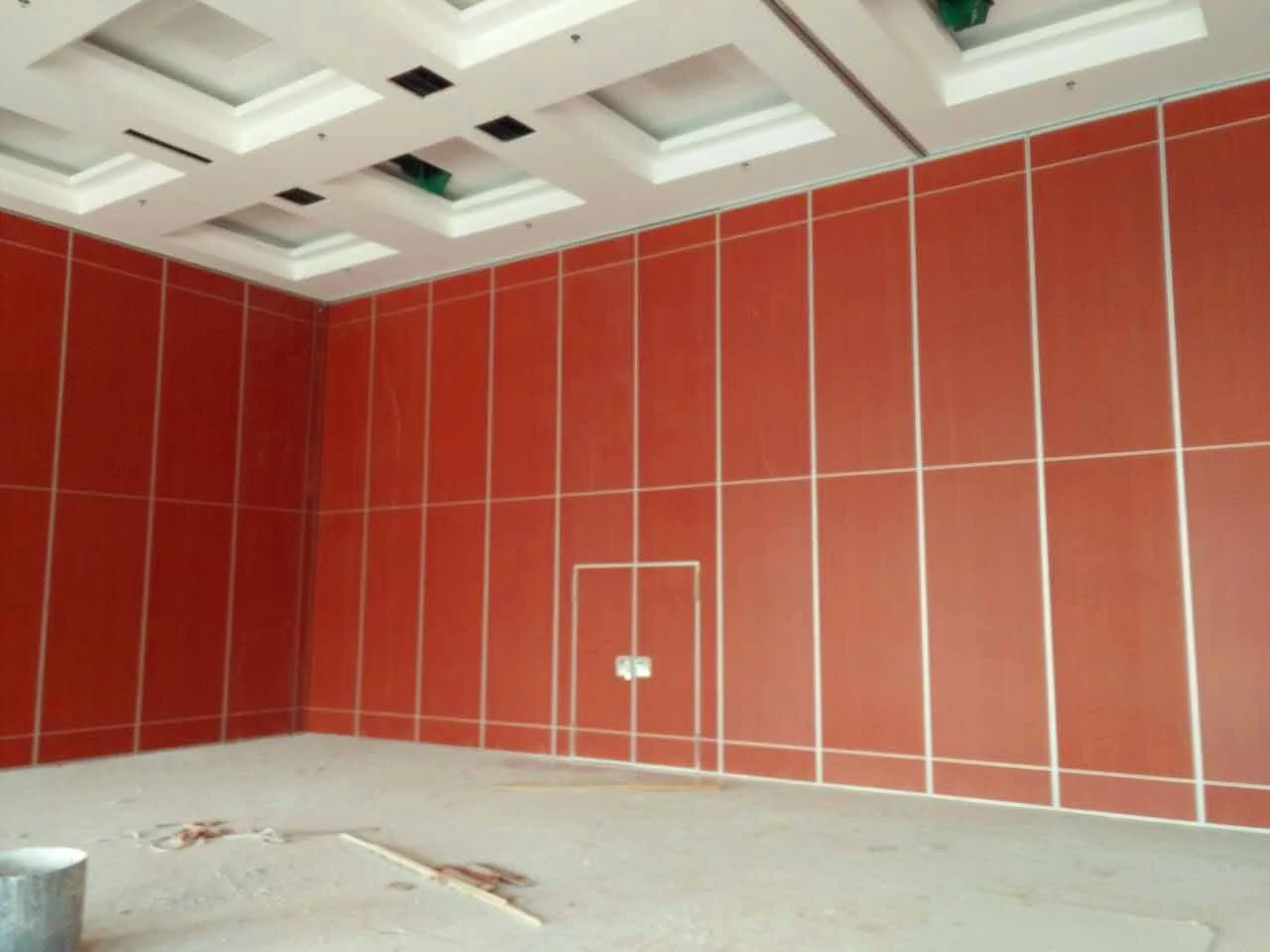
For maintained product context, direct bidders and reviewers to the movable walls product page and the resources section.
FAQ: Scoring Track Fixing Sequence Claims
What does a track fixing sequence claim usually include?
It typically combines a support condition, a movement route, a parking position and an installation order. Reviewers should check each part against the submitted drawings and notes.
Can a bidder prove acoustic performance through a track fixing sequence?
No. Visible references can support layout discussion but do not verify hidden construction or performance.
How should reviewers treat a claim that panels cross an untracked gap?
Flag it. Every proposed movement path requires a continuous connected overhead route and project-specific support review. A gap in the route should be clarified before scoring.
Does a finish name in the bid affect the track fixing score?
Generally no. Finish options such as laminate, melamine, fabric, leather, glass and other approved surfaces are separate from track fixing sequence logic.
What documentation should accompany a track fixing sequence claim?
Useful documents include layout drawings, route diagrams, parking position details and written sequencing notes. Pass-door requirements and project documentation can be discussed with the supplier where relevant.
When should a reviewer request clarification instead of scoring?
Request clarification when a claim depends on assumed support, hidden performance or an incomplete route. Scoring should wait until the missing evidence is provided or the claim is marked as requiring confirmation.
Conclusion: Score the Evidence, Not the Narrative
To score bidder track fixing sequence claims tender review consistently, keep the focus on visible evidence and project-specific confirmation. Use the six-part framework, compare submissions with the same criteria, and separate finish selection from track fixing logic. Confirm project-specific support, acoustic and dimensional requirements before treating any claim as verified.
For project discussions, contact the EBUNGE team through the contact page to review layout, route and documentation requirements for your specific opening.