
Quick answer: track fixing crew
Review focus: track fixing crew.
A contractor track fixing crew pre-start briefing is the last planned conversation before the first anchor is set. It is not a toolbox talk about general safety. It is the moment when the project team confirms that the overhead route, support conditions and parking strategy match the approved drawings. When that briefing is weak, the crew may fix a track that later conflicts with the partition route or the stacking position. This article sets out a practical briefing framework for contractors, architects and site teams working with top-hung movable partitions.
Why the First Anchor Deserves a Formal Briefing
Project review term: track fixing crew.
Top-hung movable partition panels are individually movable, suspended from a top track, cross the opening without a floor track, and park at a planned stacking position. The exact overhead route and support arrangement must be confirmed by the responsible project team from coordinated drawings. The first anchor is therefore a commitment point. Once it is fixed, later changes to the route or support strategy become more disruptive.
A formal briefing gives the crew a single reference point. It also gives the contractor a chance to record what was reviewed and what remains open. The goal is not to repeat the whole specification. The goal is to confirm the few decisions that affect the first fixing position.
What the Crew Needs Before Any Fixing Starts
Coordination scope: track fixing crew.
The briefing should begin with the current approved drawing set. Confirm that the crew is working from the same revision as the site team. The exact route, junction arrangement, continuous overhead path and parking position must be confirmed from the coordinated project drawings.
Each route must be reviewed as a continuous connected overhead path. If the drawing shows a break, the briefing should stop there and the design team should resolve it before fixing begins.
A short pre-start checklist
- Approved drawing revision number and date confirmed.
- Straight, turning and stacking routes reviewed as one connected path.
- Parking position and stacking arrangement checked against the layout.
- Support structure and fixing method confirmed by the responsible engineer.
- Open items listed with a named person responsible for each.
- Contact route for site queries agreed before the crew starts.
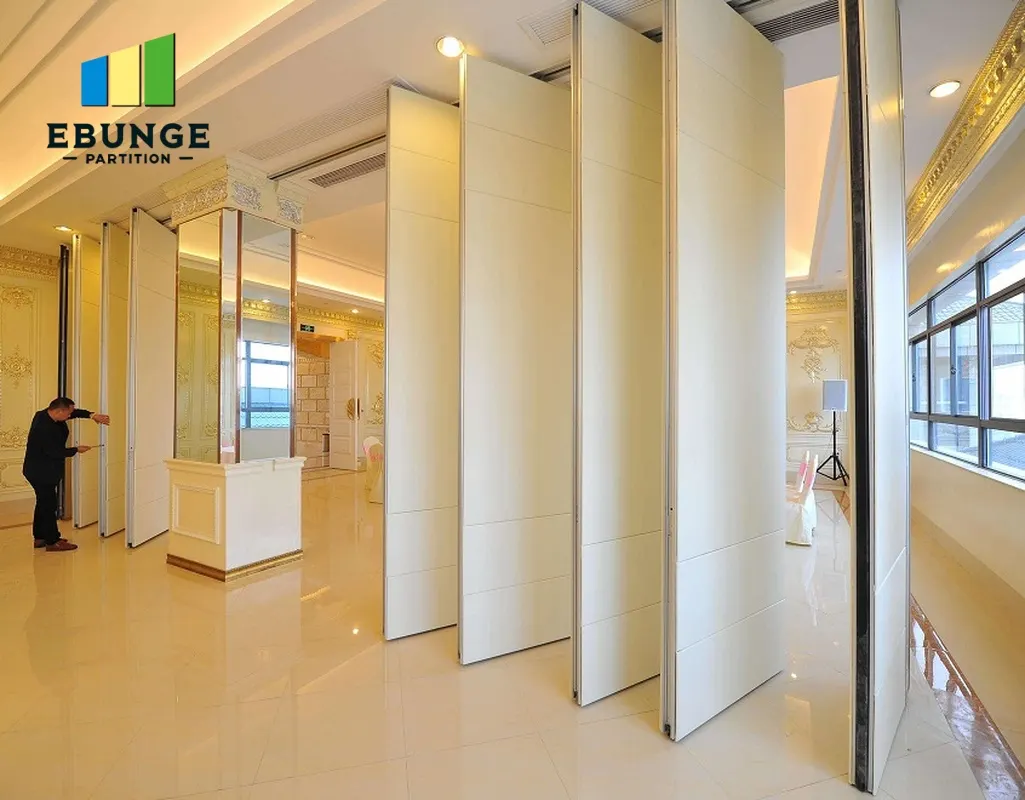
Route Review: Straight, Turning and Stacking
Checklist focus: track fixing crew.
The straight route is usually the easiest to see on a plan, but it still needs confirmation. The crew should understand where the track begins, where it ends, and how the panels cross the opening.
The stacking route is often the least discussed and the most important. Parking style is customized to the customer layout and project requirements. It may support compact stacking when the coordinated design permits it. The crew should know the planned parking position and how the panels are expected to arrive there.
Questions to resolve before fixing
- Does the approved drawing show a continuous overhead route for every movement path?
- Has the support structure been reviewed for the track position shown?
- Is the parking position clear of other services and finishes?
- Are pass-door requirements confirmed if the layout includes them?
- Are finish selections and panel dimensions coordinated with the track setting-out?
Support and Fixing: Keep the Boundary Visible
Review focus: track fixing crew.
The briefing should not turn the crew into designers. The crew fixes the track to the support condition that the project engineer has approved. The contractor’s role is to confirm that the approved support information is available and that the fixing positions match the drawing.
If the support condition on site differs from the drawing, the correct action is to pause and escalate. Do not ask the crew to infer a substitute fixing method. Do not treat a visible ceiling or beam as evidence of capacity.
Evidence note: a drawing, finish sample or photograph does not prove acoustic performance, structural capacity or a application reference. Those claims require matching project-specific evidence.
Acoustic Concepts and the Limits of a Briefing
The suitability of each route and parking arrangement depends on the approved layout, circulation, ceiling interfaces and operating sequence.
What the briefing can do is confirm that the approved configuration, seals and interface details are being installed as specified. If the project has an acoustic requirement, the responsible acoustic consultant should confirm how it is verified.
Finishes, Pass Doors and Documentation
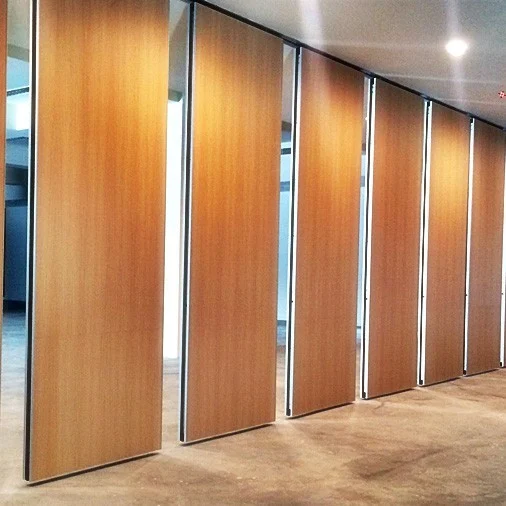
Confirmed finish options include laminate, melamine, fabric, leather, glass and other approved surfaces.
Pass-door requirements and project documentation can be discussed with the supplier. If the layout includes a pass door, the crew should know where it sits in the panel sequence and how it relates to the track route. Documentation such as approved drawings, finish schedules and site instructions should be available in the briefing area.
Coordination With Other Trades
Track fixing rarely happens in isolation. Ceiling grids, sprinkler lines, lighting and HVAC services may share the same overhead zone. The briefing should identify which trades have already completed work and which are still active.
A short coordination check prevents the crew from fixing into a position that another trade will later need. It also clarifies who protects the track after installation and who confirms that the route remains clear.
FAQ
What is the purpose of a contractor track fixing crew pre-start briefing?
It aligns the crew on the approved drawings, the continuous overhead route, the parking position and the support information before the first anchor is set. It also records open items and the escalation route.
Which drawings should be available at the briefing?
The current approved layout showing the straight, turning and stacking routes, together with any support or fixing details issued by the responsible engineer. Confirm the revision number before work starts.
Can the crew decide the track route on site?
No. The route should follow the approved layout. If site conditions differ, the crew should pause and escalate rather than infer a new route or fixing method.
How should acoustic performance be discussed?
Confirm that the approved configuration and interface details are installed as specified, and let the project acoustic consultant confirm verification.
What finish options can be confirmed?
Confirmed options include laminate, melamine, fabric, leather, glass and other approved surfaces. The briefing should confirm which finish applies to each panel group.
When should the briefing happen?
After the approved drawings and support information are available, and before the first anchor is fixed. It should be repeated if the drawing revision changes.
Conclusion and Next Step
A strong pre-start briefing protects the first anchor from avoidable rework. It keeps the crew focused on the approved route, the parking position and the support information, while making the evidence boundary clear.
To review movable partition options for your layout, visit the movable partition wall product page or explore the resources section for planning guidance. When your drawings are ready, contact EBUNGE to discuss pass-door requirements and project documentation.