
Quick project answer
Track fixing crew first anchor day planning is the discipline of turning approved drawings into a safe, coordinated start on site. For overseas contractors, architects and construction teams, the first anchor day sets the working rhythm for a top-hung movable partition installation. EBUNGE movable wall panels are individually movable, suspended from a top track, cross the opening without a floor track, and park at a planned stacking position. That product logic shapes every preparation step below. The suitability of each route and parking arrangement depends on the approved layout, circulation, ceiling interfaces and operating sequence.
Why the First Anchor Day Deserves Its Own Plan
The first anchor day is not simply the day a crew starts drilling. The exact overhead route and support arrangement must be confirmed by the responsible project team from coordinated drawings. If any one of those elements is unresolved, the crew may be forced to stop, relocate or rework. A dedicated plan reduces that risk by separating what is known from what still needs confirmation.
Contractors should treat the first anchor day as a coordination milestone, not a production target. The goal is to verify that the approved layout, the support review and the site conditions are aligned before permanent fixing begins.
Information the Crew Should Receive Before Arrival
Give the crew a single controlled information pack. It should include the current approved layout, the reviewed support strategy, the planned stacking position and the confirmed finish schedule. Where pass-door requirements exist, include those details in the same pack so the crew understands the full opening sequence.
Drawing and route checks
Straight, turning and stacking routes should be reviewed from the layout before the first anchor day. Confirm that every proposed movement path follows a continuous connected overhead route. The exact route, junction arrangement, continuous overhead path and parking position must be confirmed from the coordinated project drawings. If the layout shows a turn or a parking zone, the crew needs to see how that route is supported.
Support and interface review
Support conditions are project-specific. The crew should know which overhead structure has been reviewed and which interfaces remain open. Any unresolved support question should be flagged before anchoring begins, not discovered during it.
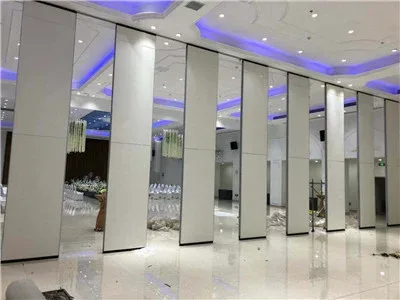
A First Anchor Day Readiness Checklist
- Current approved layout issued to the crew, with revision status visible.
- Straight, turning and stacking routes reviewed from the layout.
- Planned stacking position agreed and marked.
- Support review status confirmed for the overhead route.
- Pass-door requirements and opening sequence documented where applicable.
- Finish schedule confirmed for laminate, melamine, fabric, leather, glass or other approved surfaces.
- Site access, working hours and coordination contacts confirmed.
- Open questions logged with an owner and a response date.
Sequencing the Anchor Day Without Inventing Performance
A useful sequence separates verification from fixing. The crew first confirms the marked route and stacking position against the approved layout. Next, they confirm that the support review covers the intended fixing line. Only then does permanent anchoring begin. This order keeps the day evidence-led rather than assumption-led.
- Walk the overhead route and compare it with the approved drawing.
- Confirm the stacking position and its relationship to the opening.
- Verify that support review status is current for the fixing line.
- Record any deviation before permanent fixing starts.
- Proceed with anchoring only after the deviation is resolved or accepted in writing.
Panel handling and the operating sequence must be confirmed for the selected layout and project conditions. It simply keeps decisions visible and traceable.
Coordination Between Trades and the Client Team
Track fixing rarely happens in isolation. Ceiling, lighting, HVAC and fire-stop works may share the same overhead zone. Contractor Installation Planning coordination should identify who controls each interface and when the track fixing crew can safely occupy the area.
Who needs to be in the room
The site manager, the trade responsible for the overhead structure, and the client representative should agree on the fixing line before anchoring. If the acoustic strategy depends on the junction between the partition and adjacent construction, that junction should be reviewed as part of the same conversation.
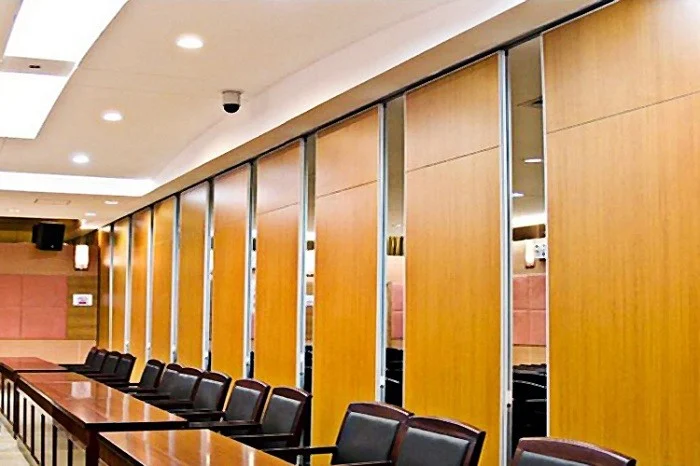
Evidence Boundaries for the First Anchor Day
Visible drawings, finishes and photographs do not prove structural capacity, acoustic performance, fire performance or application reference outcomes. Those claims require project-specific evidence and confirmation.
Contractors should keep a clear boundary between maintained product facts and project-specific engineering. EBUNGE confirms that panels are top-hung, move without a continuous floor track, and park at a planned stacking position.
Documentation to Capture on the Day
Record the approved layout revision, the marked route, the stacking position and any deviation found. Photographs of the marked line and the overhead condition help later trades understand what was agreed. Where pass-door requirements or project documentation need clarification, discuss them with the EBUNGE team before the crew mobilises.
Good records also support the next anchor day.
Frequently Asked Questions
What is the first anchor day in a movable partition installation?
It is the first day the track fixing crew begins permanent anchoring along the reviewed overhead route. It should follow drawing review, route verification and support confirmation.
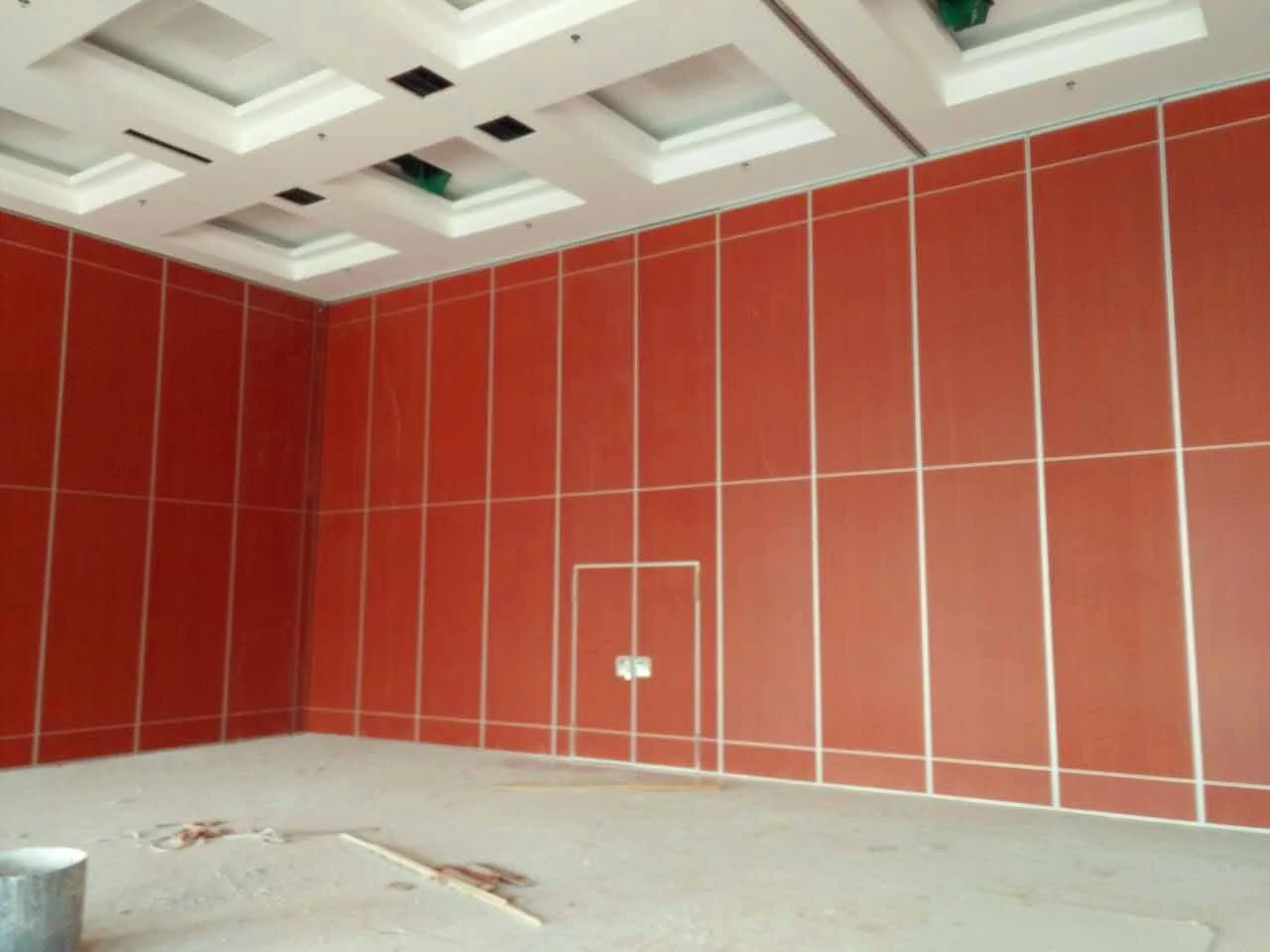
Which drawings should the crew receive before arrival?
The current approved layout, the reviewed support strategy, the planned stacking position and the confirmed finish schedule. Pass-door requirements should be included where applicable.
Can panels move across an untracked gap?
No.
How should acoustic requirements be handled on the first anchor day?
Confirm project-specific acoustic requirements with matching evidence.
What finish options can be discussed for the panels?
Confirmed finish options include laminate, melamine, fabric, leather, glass and other approved surfaces. Suitability for a specific project should be confirmed during specification.
When should the contractor contact EBUNGE?
Contact EBUNGE early, ideally before the first anchor day is scheduled, so that layout, support, route and documentation questions can be reviewed together.
Conclusion and Next Step
Planning a track fixing crew’s first anchor day is about aligning drawings, support review and site coordination before permanent fixing begins. Keep the approved layout current, verify the overhead route, confirm the stacking position and document any deviation. Confirm project-specific support, acoustic and dimensional requirements with the relevant specialists.
To review your layout, route or documentation, contact the EBUNGE team. You can also explore movable wall systems and the planning resources for further guidance.