
Quick answer: partition handover pack track access proof
Review focus: partition handover pack track access proof.
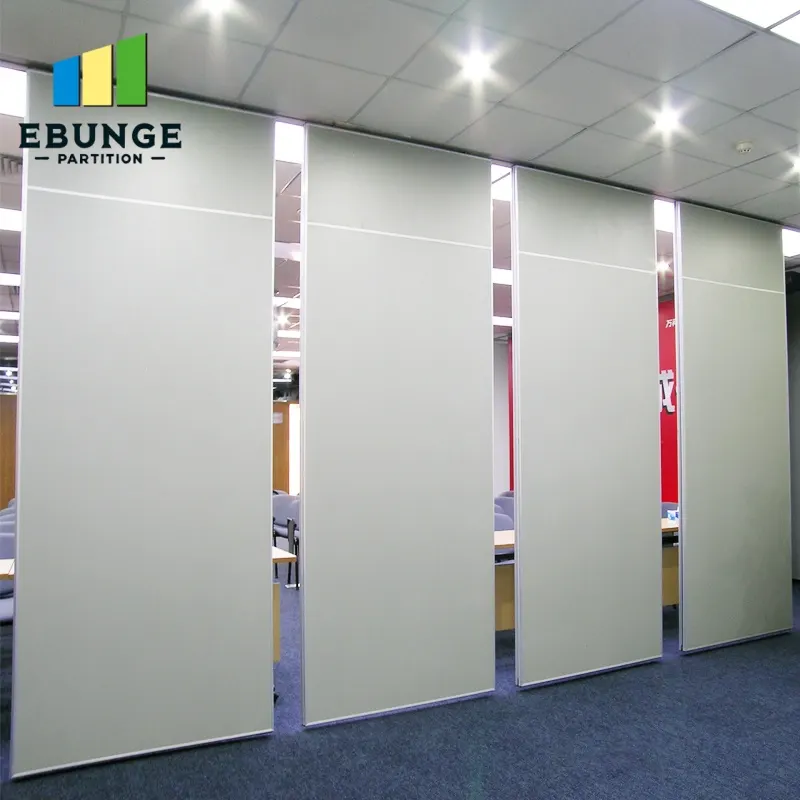
A partition handover pack track access proof is the part of the closeout file that shows how the installed panels are expected to travel, park and be reached for normal operation. It is not a marketing summary. It is a drawing-led record that lets the owner, contractor and designer confirm that the overhead route, stacking position and access clearances match the coordinated design. Because movable panels are individually movable, suspended from a top track, cross the opening without a floor track and park at a planned stacking position, the handover pack must make those four ideas visible and reviewable.
Why Track Access Evidence Belongs in the Handover Pack
Project review term: partition handover pack track access proof.
Track access is easy to assume and hard to prove after ceilings close. A handover pack should let a reviewer trace the panel route from the closed position, through the opening, along any turning path and into the stacking area. If that route is only described in conversation, the sign-off record is incomplete.
The evidence should also separate what is visible on drawings from what still requires project-specific confirmation. Support, acoustic and dimensional requirements are project-specific and should be confirmed against the coordinated design rather than inferred from a finish sample or a photograph.
What the Route Drawings Should Show
Coordination scope: partition handover pack track access proof.
Route drawings are the backbone of track access proof. They should show the overhead track alignment in plan and, where useful, in section. Straight, turning and stacking routes should be reviewed from the layout so that every proposed movement path is continuous and connected.
Plan and section views
A plan view clarifies how panels cross the opening and where they leave the partition line. A section view helps reviewers see the relationship between the track, the ceiling zone and the parking area. The suitability of each route and parking arrangement depends on the approved layout, circulation, ceiling interfaces and operating sequence.
Turning and stacking routes
Where the layout includes a turn or a remote parking position, the drawings should identify the route and the planned stacking position. A gap in the overhead route is a documentation issue that should be resolved before sign-off, not after occupancy.
A Decision Checklist for Reviewers
Checklist focus: partition handover pack track access proof.
- Does the pack include a current plan showing the full overhead route?
- Are straight, turning and stacking routes clearly identified?
- Is the planned stacking position shown and coordinated with adjacent trades?
- Are pass-door requirements documented where the project includes them?
- Are finish selections recorded against approved options such as laminate, melamine, fabric, leather or glass?
- Are open items listed with the party responsible for confirming them?
This checklist is a review aid, not a compliance certificate. Project teams should confirm project-specific support, acoustic and dimensional requirements with the responsible parties.
Stacking Position and Clear Floor Operation
Review focus: partition handover pack track access proof.
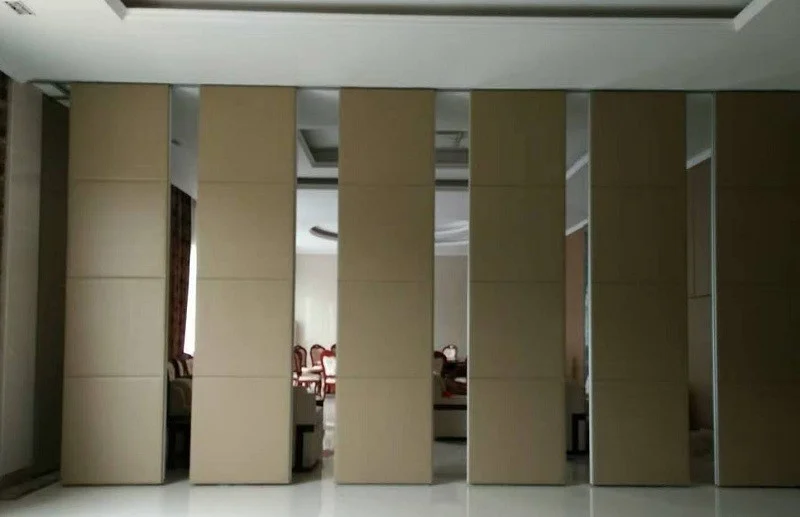
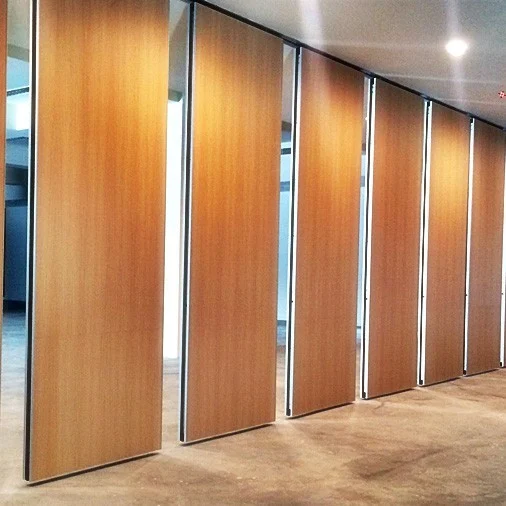
Because panels are top-hung and cross the opening without a floor track, the floor below the route stays clear during normal movement. That does not remove the need to document the stacking position. The pack should show where panels park, how that area relates to the room layout and whether the parked position interferes with doors, services or circulation.
Parking style is customized to the customer layout and project requirements and may support compact stacking when the coordinated design permits it. The handover pack should record the coordinated arrangement rather than assume a default.
Pass Doors, Finishes and Documentation Coordination
Pass-door requirements and project documentation can be discussed as part of the handover scope. Where a pass door is included, the pack should show its position in relation to the track route and the stacking area.
Finish records matter for a different reason: they confirm what was selected, not how it will perform. Confirmed finish options include laminate, melamine, fabric, leather, glass and other approved surfaces.
Evidence Boundaries: What the Pack Should Not Claim
Handover documents should state what has been coordinated and what remains to be confirmed. They should not convert a drawing, finish or visible shape into a performance claim.
Where acoustic requirements apply, the project team should confirm them against project-specific evidence.
Those outcomes depend on factors outside a track access record.
How to Assemble the Track Access Section
- Collect the current coordinated layout drawings for the partition line.
- Mark the straight, turning and stacking routes on the plan.
- Add section details where the ceiling zone or parking area needs clarification.
- Record the planned stacking position and any pass-door location.
- List finish selections against approved options.
- Log open items, assumptions and the party responsible for each confirmation.
- Review the pack with the owner, contractor and designer before sign-off.
This sequence keeps the handover pack focused on coordination. It does not replace engineering review or project-specific approvals.
Frequently Asked Questions
What is a partition handover pack track access proof?
It is the set of drawings and records that shows how movable panels are expected to travel along the overhead track, turn where required and park at the planned stacking position. It supports sign-off by making the route reviewable.
Does every project need the same track access documents?
No. The scope depends on the layout, the number of routes and the project’s documentation requirements. Project teams should confirm the required contents with the responsible parties.
Can a handover pack confirm acoustic performance?
No. A track access record should not be treated as acoustic evidence, and project-specific acoustic requirements should be confirmed separately.
Why does the stacking position need to be documented?
The stacking position affects how the room is used when panels are parked. Documenting it helps reviewers check circulation, services and adjacent trades against the coordinated layout.
What should happen if the overhead route has a gap?
A gap should be resolved before sign-off. Every proposed movement path requires a continuous connected overhead route and project-specific support review.
Where can project teams ask about documentation scope?
Teams can review the movable wall product context, browse the resources library and contact the team to discuss pass-door requirements and project documentation.
Conclusion: Sign-Off Is a Coordination Record
A handover pack proves track access when it shows the route, the stacking position and the open items in a form that others can review. It should stay within evidence boundaries and avoid unsupported performance conclusions. Before sign-off, confirm project-specific support, acoustic and dimensional requirements with the responsible parties.
To discuss documentation scope for a specific layout, contact EBUNGE and share the coordinated drawings for review.