
Quick project answer
Review focus: track interface query aging report.
An architect coordination track interface query aging report before tender is a simple control document: it lists every unresolved question about how a movable partition track meets the structure, ceiling, finish and adjacent trades, then shows how long each question has stayed open. The goal is not to answer everything with assumptions. The goal is to expose which items still need project-specific confirmation before bidders price the work.
This article sets out a review workflow for overseas project teams. It stays inside maintained product facts: panels are individually movable, top-hung from a track, cross the opening without a floor track, and park at a planned stacking position. Straight, turning and stacking routes are reviewed from the layout. Finish options include laminate, melamine, fabric, leather, glass and other approved surfaces. Pass-door requirements and project documentation can be discussed. Everything else must be confirmed for the project.
Why a Track Interface Query Aging Report Matters Before Tender
Project review term: track interface query aging report.
Track interfaces sit between disciplines. The exact route, junction arrangement, continuous overhead path and parking position must be confirmed from the coordinated project drawings. When those conversations stall, queries age. An aging report turns a scattered email trail into a visible list of open decisions.
Bidders price what they can see. If a drawing shows a track line but not the support condition, each bidder may interpret the scope differently. Aging the query does not create engineering evidence, but it does show the project team where evidence is still missing.
What the report is not
The suitability of each route and parking arrangement depends on the approved layout, circulation, ceiling interfaces and operating sequence. Visible references can support layout discussion but do not verify hidden construction or performance. It is a coordination tracker that points to the drawings and confirmations still required.
Define the Query Categories Before You Start Aging
Coordination scope: track interface query aging report.
Group queries so the report stays readable. A short category list helps reviewers route each item to the right discipline instead of debating everything in one meeting.
- The exact overhead route and support arrangement must be confirmed by the responsible project team from coordinated drawings.
- Ceiling and soffit: coordination with ceiling zones, services and finishes along the track line.
- Route geometry: straight, turning and stacking routes reviewed from the layout.
- Parking position: where panels stack when the opening is clear, based on the coordinated design.
- Finish and interfaces: laminate, melamine, fabric, leather, glass and other approved surfaces, plus adjacent wall and floor finishes.
- Pass doors and documentation: pass-door requirements and the project documentation needed for review.
Assign an owner and a date to every query
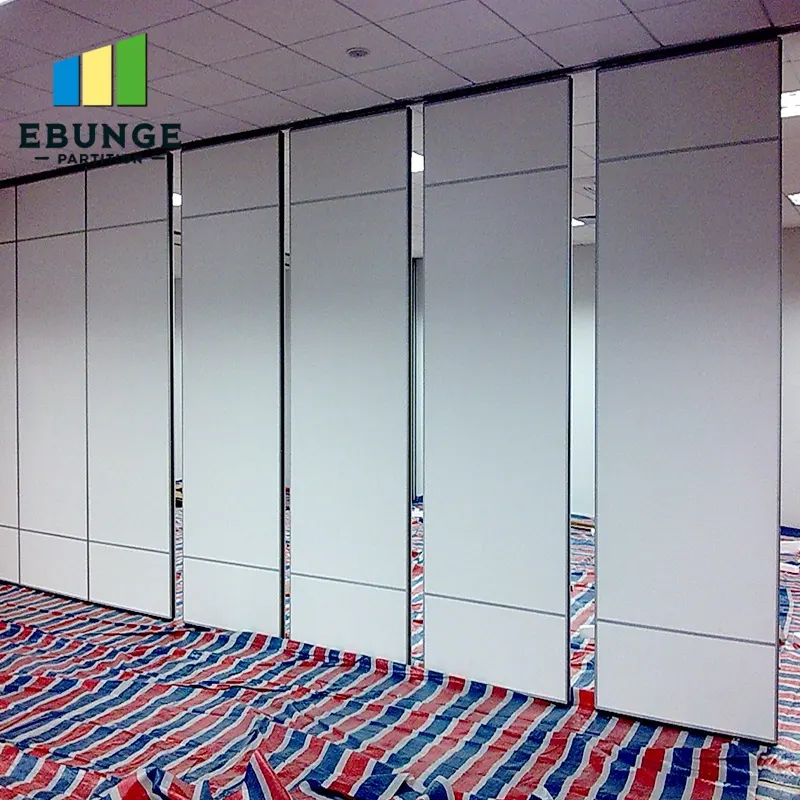
A query without an owner rarely closes. Record who must respond, what evidence they must provide, and the date the answer is needed. The aging column then measures elapsed time, not blame.
How to Build the Aging Report Step by Step
Checklist focus: track interface query aging report.
Use a numbered process so the report can be repeated at each design stage. The steps below are administrative; they do not replace engineering or acoustic confirmation.
- Collect the current layout drawings, reflected ceiling plans and relevant interface drawings.
- Mark every point where the track route meets structure, ceiling, services or another trade.
- Write each unresolved point as a single question with a clear subject line.
- Assign a discipline owner and a required response date.
- Record the date the query was raised and the date it was last updated.
- Age each query by elapsed days and flag items approaching the tender milestone.
- Close a query only when the response is documented and referenced to a drawing or written confirmation.
- Reissue the report at each design freeze so new queries are captured.
Keep the language neutral
Write questions that ask for confirmation rather than implying a result. The second question invites an engineering conclusion the report cannot provide.
Reading the Aging Columns Without Overclaiming
Review focus: track interface query aging report.
Aging is a coordination signal, not a performance measure. A long-open query may mean the answer is complex, the owner is unavailable, or the design is still moving. Treat the age as a prompt to escalate, not as proof that a solution is unsafe or that a supplier is at fault.
| Age band | Coordination meaning | Suggested action |
|---|---|---|
| New | Query raised and routed | Confirm owner and response date |
| Open | Answer pending | Check whether drawings are sufficient |
| Aged | Response overdue | Escalate to the discipline lead |
| Closed | Written response referenced | Link the evidence and reissue |
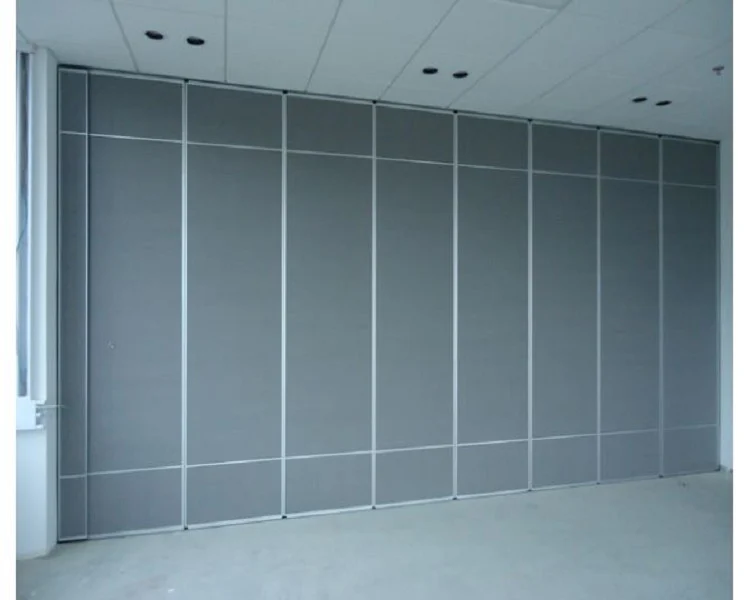
Those outcomes require their own project-specific evidence.
Evidence Notes for Acoustic and Dimensional Queries
Where acoustic separation matters, the project team should confirm the required rating, the tested assembly and the site conditions with qualified specialists.
Evidence note: A track line on a drawing shows a proposed route. It does not confirm support capacity, acoustic performance, fire performance or dimensional fit. Those items require project-specific review and matching documentation.
Dimensional queries should reference the coordinated layout, the stacking position and the clear opening required. Confirm project-specific support, acoustic and dimensional requirements before tender so bidders receive a consistent brief.
Use the report to request documentation
Where a query depends on a supplier response, ask for the specific document needed: a drawing, a written confirmation or a project-specific review. Avoid accepting a generic statement as closure. The resources page can help teams identify the document types to request, while the movable walls product page provides maintained product context.
Common Coordination Gaps the Report Should Surface
Most tender-stage gaps repeat across projects. Naming them in advance helps the team write sharper queries.
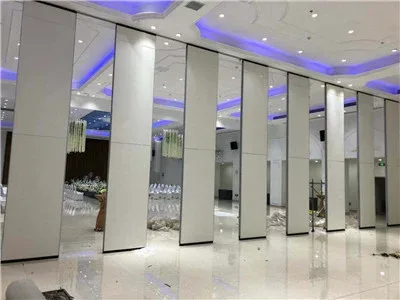
- A track route shown across an opening without a continuous connected overhead route.
- A stacking position marked without confirming the coordinated design and adjacent clearances.
- A ceiling zone that changes after the track line was drawn.
- A finish schedule that names a surface without confirming the approved option for the project.
- A pass-door requirement mentioned in a meeting but absent from the drawings.
- A support condition left to the contractor without a documented review path.
Escalate before the tender milestone
Set a cut-off date for closing aged queries. Items still open at that date should be listed as tender clarifications so bidders know what remains subject to confirmation.
FAQ: Track Interface Query Aging Before Tender
What is a track interface query aging report?
It is a coordination tracker that lists unresolved questions about how a movable partition track meets structure, ceiling, services and adjacent trades, and shows how long each question has remained open.
Does the report replace engineering or acoustic confirmation?
No. It identifies where confirmation is still needed.
Which queries should be raised first?
Provide the current layout, opening dimensions, ceiling information, intended room use, and relevant project drawings for review. The exact overhead route and support arrangement must be confirmed by the responsible project team from coordinated drawings.
How should STC or Rw be handled in the report?
Treat them as rating concepts that require project-specific confirmation.
When should the report be reissued?
Reissue it at each design freeze and before the tender milestone so new queries are captured and aged items are visible to all disciplines.
Can the report confirm that panels will move without a floor track?
It can record the maintained product fact that panels are top-hung and cross the opening without a floor track. It cannot confirm support, dimensional fit or acoustic outcomes without project-specific review.
Conclusion: Close the Gaps Before Bidders Price Them
A track interface query aging report gives architects a disciplined way to expose open coordination items before tender. Keep it factual, assign owners, age each query and close items only with documented responses. Confirm project-specific support, acoustic and dimensional requirements with the relevant specialists, and treat the report as a coordination tool rather than a performance claim.
If your team needs to discuss pass-door requirements, finish options or project documentation for a movable wall package, contact EBUNGE to start a project-specific conversation.