
Quick answer: partition tender scoring model
Review focus: partition tender scoring model.
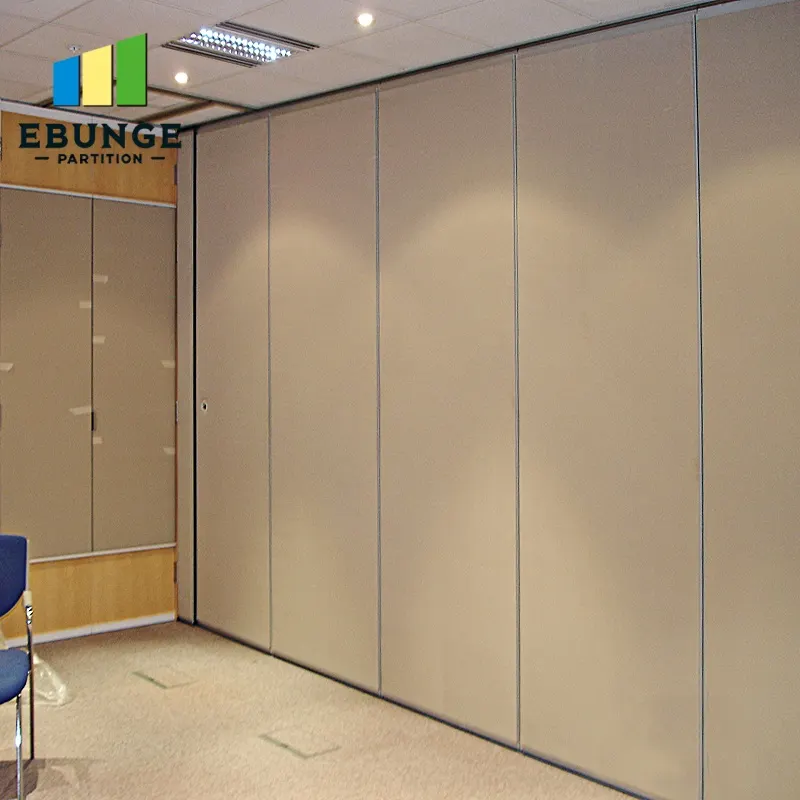
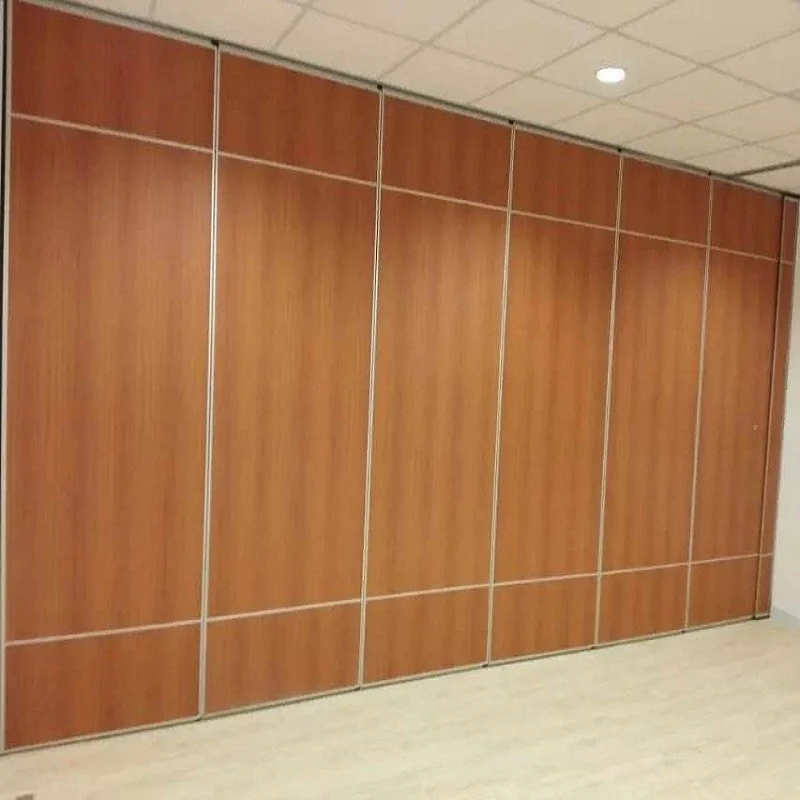
Track fixing is one of the few partition scope items that can quietly reshape a tender outcome. A partition tender scoring model track fixing risk weighting helps evaluators compare bids on the quality of coordination evidence rather than on optimistic assumptions. Because EBUNGE movable wall panels are individually movable, suspended from a top track, cross the opening without a floor track and park at a planned stacking position, the overhead route and its support context deserve explicit weight in any scoring model.
Why Track Fixing Deserves Its Own Score Line
Project review term: partition tender scoring model.
Most tender templates score finishes, lead time and price. Track fixing often hides inside a general installation line, where it competes with unrelated items and loses visibility. That is a problem because the movement path depends on a continuous connected overhead route. Straight, turning and stacking routes are reviewed from the layout, so a bidder who has not studied the layout cannot credibly price the fixing scope.
Separating track fixing into its own weighted line forces every bidder to answer the same question: what have you actually reviewed? It also gives evaluators a defensible way to compare submissions that look similar on the surface but differ sharply in coordination depth.
What the Scoring Model Should Measure
Coordination scope: partition tender scoring model.
A useful score line measures evidence, not promises. The model should reward bidders who show how they read the drawings, how they flagged open items and how they propose to confirm project-specific support, acoustic and dimensional requirements before fabrication.
Evidence categories worth weighting
- Drawing review: marked-up plans showing the proposed route, turning points and parking position.
- The suitability of each route and parking arrangement depends on the approved layout, circulation, ceiling interfaces and operating sequence.
- Interface list: named interfaces such as ceiling voids, services, finishes and adjacent trades.
- Open-item register: questions the bidder raised rather than assumptions the bidder buried.
- Documentation plan: what will be submitted for review and when, without promising unverified outcomes.
These categories are deliberately qualitative. They can be scored consistently across bidders without inventing loads, dimensions or performance values that no one has confirmed.
A Practical Weighting Framework
Checklist focus: partition tender scoring model.
Weighting is a policy choice, not a technical result. The table below shows one workable distribution that keeps track fixing visible without letting it dominate commercial comparison. Project teams should adjust the bands to match their own risk appetite and procurement rules.
| Score line | Suggested weight | What evaluators look for |
|---|---|---|
| Track fixing and route coordination | High | Marked-up layout, turning and stacking logic, interface list |
| Support confirmation approach | High | Named responsibility, review sequence, open-item register |
| Finish and surface selection | Medium | Approved options such as laminate, melamine, fabric, leather or glass |
| Pass-door and access requirements | Medium | Discussed requirements and documentation plan |
| Commercial terms | Medium | Clarity of inclusions, exclusions and assumptions |
Visible references can support layout discussion but do not verify hidden construction or performance.
Scoring Bands That Reward Honest Bids
Review focus: partition tender scoring model.
A simple four-band scale keeps evaluators aligned.
- Band 1: No route drawing, no interface list, no open items. Treat the fixing scope as unverified.
- Band 2: Route shown but turning or stacking logic unclear; support responsibility not named.
- Band 3: Route, parking position and interfaces shown; open items listed with owners.
- Band 4: Band 3 plus a documented review sequence and a clear statement of what remains to be confirmed.
Band 4 is not a promise of performance. It is evidence that the bidder understands the coordination boundary and has planned for it.
Red Flags and Evidence Limits
Some submissions look strong but contain statements that cannot be verified at tender stage. Evaluators should treat the following as prompts for clarification, not automatic rejection.
Comparative, absolute and causal claims require matching evidence; otherwise the tender should state the exact project-specific confirmation boundary.
- The exact route, junction arrangement, continuous overhead path and parking position must be confirmed from the coordinated project drawings. Every proposed movement path requires a continuous connected overhead route and project-specific support review.
- Acoustic statements without a defined test context or project-specific confirmation.
- Fixing assumptions that do not name who confirms the supporting structure.
- Parking descriptions that ignore the coordinated layout and available stacking position.
These red flags are about missing evidence, not about any particular supplier. The same standard should apply to every bidder.
Running the Evaluation Consistently
Consistency comes from a short, repeatable process. Before scoring, evaluators should agree on the evidence pack, the clarification window and the person responsible for recording answers.
Pre-scoring checklist
- Confirm the layout set is complete, including turning and stacking routes.
- Confirm the support scope owner is identified in the tender documents.
- Confirm finish options are listed as approved surfaces rather than implied.
- Confirm pass-door requirements and project documentation expectations are stated.
- Confirm every bidder receives the same clarification questions.
After scoring, keep the open-item register live. Items that remain unresolved should carry into the award recommendation as conditions, not disappear into a summary.
Coordinating With the Wider Project Team
Track fixing risk is rarely owned by one party. Procurement and Tender Review coordination should therefore include a named contact for each interface and a documented route for resolving conflicts.

For product context, see the movable wall systems page. For broader planning material, the resources library collects buyer-facing guidance. When a specific project needs clarification, teams can contact EBUNGE to discuss pass-door requirements and project documentation.
Frequently Asked Questions
What is track fixing risk in a partition tender?
It is the risk that the overhead route, its support context or its interfaces are not adequately reviewed before pricing. Because panels are top-hung and cross the opening without a floor track, the overhead route must be continuous and connected for the proposed movement path.
How much weight should track fixing carry?
There is no universal figure. The exact overhead route and support arrangement must be confirmed by the responsible project team from coordinated drawings. The weighting should reflect the project’s own risk policy.
Can a bidder prove acoustic performance at tender stage?
Tender documents should require project-specific confirmation rather than accepting headline claims.
Which finish options can be scored?
Confirmed options include laminate, melamine, fabric, leather, glass and other approved surfaces. Evaluators should score whether the proposed finish is an approved option for the project, not infer performance from its appearance.
What should happen if the support structure is unconfirmed?
Record it as an open item with a named owner and a review sequence. The tender can proceed, but the award recommendation should carry the unresolved item as a condition rather than assume a solution.
Does parking affect the scoring model?
Parking style is customized to the customer layout and project requirements and may support compact stacking when the coordinated design permits it. Bidders should show how the parking position fits the reviewed route.
Conclusion
Weighting track fixing risk in a partition tender scoring model is ultimately about rewarding evidence. A model that scores marked-up routes, named interfaces, open items and a documented review sequence will separate serious bids from optimistic ones. Keep every recommendation tied to maintained product facts, visible evidence limits and project-specific drawing review, and confirm support, acoustic and dimensional requirements before any commitment.
To discuss a specific tender or layout, contact the EBUNGE team and share the drawings you have available.