
Quick answer: partition tender evaluation matrix
Review focus: partition tender evaluation matrix.
Track fixing risk rarely appears as a single line item in a tender return, yet it can influence whether a movable partition package is comparable across bidders. A partition tender evaluation matrix track fixing risk weighting approach helps project teams separate visible evidence from assumptions. This article offers an evidence-bounded framework for procurement and tender review coordination. The suitability of each route and parking arrangement depends on the approved layout, circulation, ceiling interfaces and operating sequence.
Why Track Fixing Risk Deserves Its Own Weighting
Project review term: partition tender evaluation matrix.
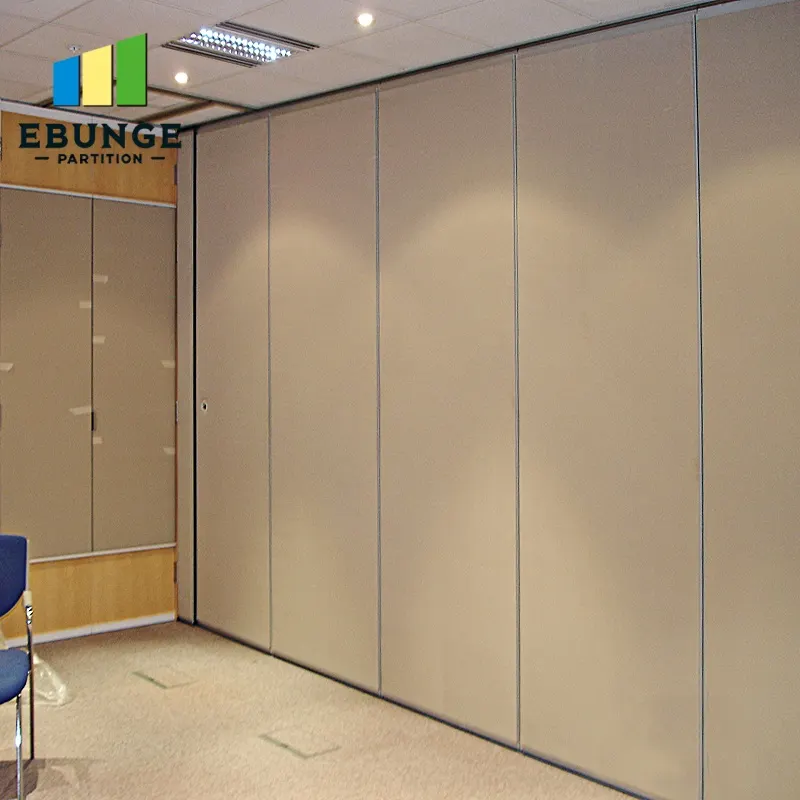
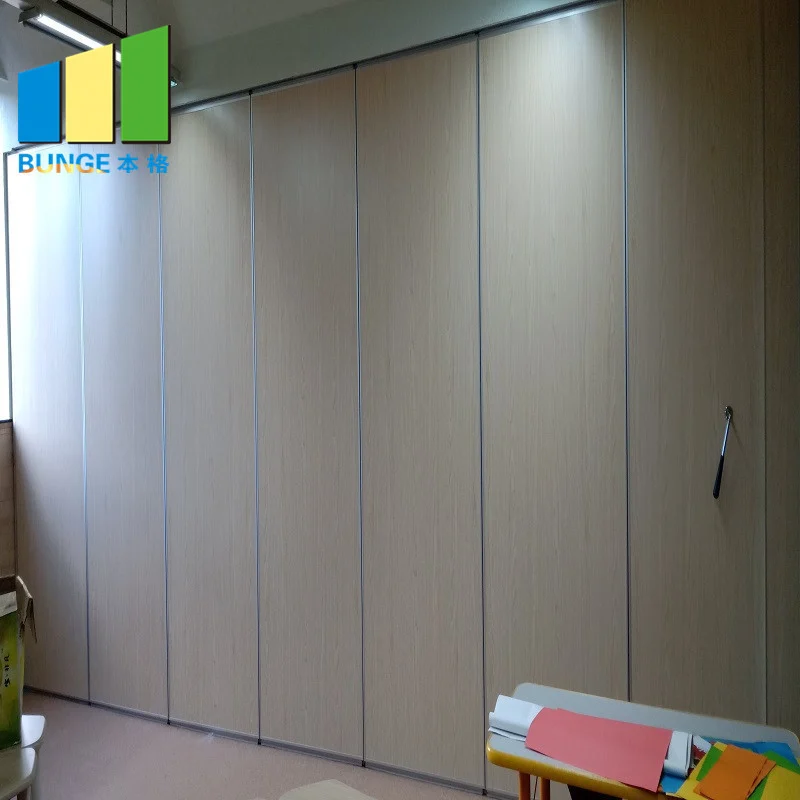
Movable wall panels are individually movable, suspended from a top track, cross the opening without a floor track, and park at a planned stacking position. Because the system is top-hung, the overhead route and its support conditions become central to the evaluation. The exact overhead route and support arrangement must be confirmed by the responsible project team from coordinated drawings.
Weighting track fixing risk is not about predicting failure. It is about scoring how clearly each bidder addresses the interface between the partition layout and the building structure. The evaluation matrix should reward submissions that identify what must be confirmed before fabrication and installation.
What the matrix should not assume
Visible references can support layout discussion but do not verify hidden construction or performance. Those attributes require matching project evidence. The matrix should instead test whether the bidder has acknowledged the confirmation boundary.
Define the Evidence Boundary Before Scoring
Coordination scope: partition tender evaluation matrix.
Before assigning weights, agree on what counts as acceptable evidence. A written method statement, a marked-up layout, a schedule of confirmations, or a response to a technical query can all be relevant. However, none of these should be treated as proof of a performance value unless the supporting documentation is supplied and reviewed.
Evidence note: A tender response can demonstrate awareness of track fixing risk without proving structural adequacy. The matrix should score the quality of the confirmation plan, not an unverified outcome.
Separate product facts from project facts
Confirmed product facts describe how the system works: top-hung panels, no continuous floor track along the partition line, and parking at a planned stacking position. Project facts describe the actual building: the overhead structure, the route, the opening dimensions and the stacking location. The matrix should keep these categories distinct.
Build the Weighting Structure
Checklist focus: partition tender evaluation matrix.
A practical matrix can use weighted criteria with a defined scoring scale. The exact weights depend on the project, but the structure should make track fixing risk visible rather than hidden inside a general installation line.
| Criterion | What to look for | Suggested weight band |
|---|---|---|
| Overhead route continuity | Bidder confirms a continuous connected overhead route for every proposed movement path | High |
| Support interface review | Bidder identifies what must be verified in the building structure | High |
| Stacking position coordination | Bidder links parking to the layout and available space | Medium |
| Drawing and documentation quality | Bidder provides clear, project-specific drawings and queries | Medium |
| Finish and pass-door coordination | Bidder addresses approved finishes and pass-door requirements | Low to medium |
Weights should be set by the project team and recorded in the tender documents so that all bidders are assessed consistently. Avoid using a single overall score that hides track fixing risk behind unrelated commercial or finish criteria.
Score the Drawing Review, Not the Marketing Claim
Review focus: partition tender evaluation matrix.
The exact route, junction arrangement, continuous overhead path and parking position must be confirmed from the coordinated project drawings. The matrix can then score how completely the bidder has addressed the layout.
Questions that reveal coordination depth
- Does the bidder show how the overhead route connects across the full opening?
- Does the bidder identify any area where the route changes direction or meets a structural interface?
- Does the bidder state which support conditions require project-specific confirmation?
- Does the bidder explain how the parking position relates to the room layout?
- Does the bidder list the information needed before final fabrication?
These questions do not require the bidder to invent performance data. They test whether the submission is complete enough for the next design stage.
Use a Numbered Process for Tender Review
- Issue a consistent layout and confirmation checklist to all bidders.
- Require a marked-up route drawing for straight, turning and stacking movements.
- Ask bidders to separate confirmed product facts from project-specific assumptions.
- Score track fixing risk using the weighted criteria agreed before tender opening.
- Record any unresolved support, acoustic or dimensional items as conditions for award.
- Confirm final requirements with the selected bidder before fabrication.
This process keeps the evaluation focused on evidence. It also creates a clear record of what remains open, which is useful for procurement and tender review coordination.
Common Weighting Mistakes to Avoid
One common mistake is treating track fixing as a commodity item with a fixed score. Another is allowing a bidder to claim that a route is straightforward without showing the overhead connection.
Keep the language precise
The same discipline applies to track fixing: describe what must be confirmed, not what is assumed.

FAQ: Track Fixing Risk in Tender Evaluation
What is track fixing risk in a partition tender?
It is the risk that the overhead route, support interface or stacking coordination is not clearly addressed in a bidder’s submission. The matrix should score how well the bidder identifies and plans to confirm those items.
Should track fixing risk be weighted separately from installation cost?
Yes, where the project team considers it material. Separating it prevents track fixing coordination from being hidden inside a general installation line and makes bid comparisons more transparent.
Can a bidder prove track fixing adequacy in the tender?
A bidder can provide drawings, method statements and confirmation schedules.
How does parking position affect the evaluation?
Parking is planned according to the layout and project requirements. The matrix should check whether the bidder links the stacking position to the available space and the movement route.
What finishes and pass-door items should be scored?
Confirmed finish options include laminate, melamine, fabric, leather, glass and other approved surfaces. Pass-door requirements can be discussed. The matrix should score whether these are addressed without treating them as evidence of performance.
When should final track fixing details be confirmed?
Final confirmation should occur after the tender evaluation and before fabrication, once the project-specific support, acoustic and dimensional requirements have been reviewed.
Conclusion and Next Step
A partition tender evaluation matrix track fixing risk weighting framework helps project teams compare bids on coordination quality rather than assumption. Keep the criteria evidence-bounded, require marked-up route drawings, and record unresolved items as conditions. For project-specific support, acoustic and dimensional requirements, confirm details with the responsible design professionals and the selected supplier.
To discuss movable wall layouts, finishes, pass-door requirements and project documentation, contact EBUNGE. You can also review movable walls and browse resources for further planning context.