
Quick project answer
Review focus: tender returnable schedule completeness check.
A tender returnable schedule completeness check movable partition review is the discipline of confirming that every document, drawing, schedule and declaration the tender requires is actually present, legible and traceable before bids are opened. For movable partition packages, this matters because the scope depends on layout, route and finish decisions that must be coordinated early. This guide sets out a practical, evidence-bounded method for contractors, architects, designers, owners and procurement teams.
Why Completeness Matters Before Bids Are Opened
Project review term: tender returnable schedule completeness check.
Once bids are opened, missing returnables become a commercial and programme problem. A missing drawing or schedule can force clarifications, extend evaluation, or push the project into post-tender negotiation. A completeness check is not a technical assessment; it is a structured verification that the required information exists and can be reviewed.
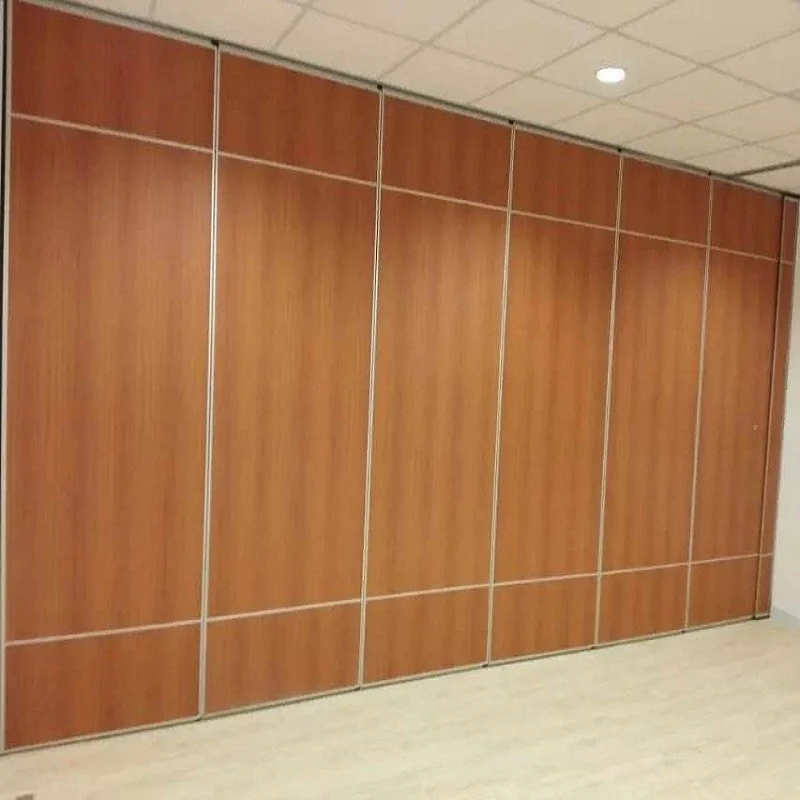
For movable partitions, the returnable list should reflect the fact that panels are individually movable, suspended from a top track, cross the opening without a floor track, and park at a planned stacking position. Straight, turning and stacking routes are reviewed from the layout. If the tender does not ask for layout information, the evaluation cannot confirm that the proposed configuration is coordinated with the building.
Build the Returnable Register First
Coordination scope: tender returnable schedule completeness check.
Before checking anything, convert the tender documents into a single returnable register. This is a controlled list of every item the bidder must submit, with a reference to the clause or drawing that requires it. The register becomes the checklist you work through before bid opening.
Typical returnable categories
- Completed form of tender, pricing schedule and any required declarations.
- The exact route, junction arrangement, continuous overhead path and parking position must be confirmed from the coordinated project drawings.
- The suitability of each route and parking arrangement depends on the approved layout, circulation, ceiling interfaces and operating sequence.
- Finish schedule identifying laminate, melamine, fabric, leather, glass or other approved surfaces.
- Pass-door requirements, if the project needs them, with location and coordination notes.
- Project documentation such as method statements, programme information and coordination responsibilities.
- Any project-specific support, acoustic or dimensional confirmations requested by the specification.
Keep the register version-controlled. If an addendum changes the requirement, update the register and re-check the affected items.
A Numbered Completeness Check Process
Checklist focus: tender returnable schedule completeness check.
The following sequence keeps the check repeatable and auditable. It is designed for a pre-opening review, not for scoring technical quality.
- Confirm the returnable register matches the latest tender issue and all addenda.
- Check that each register item has a corresponding submission from every bidder.
- Verify that drawings are legible, correctly titled and referenced to the project.
- Confirm that the layout shows the straight, turning and stacking routes where relevant.
- Check that finish selections are stated and match the approved finish options.
- Confirm that pass-door requirements, if any, are identified rather than assumed.
- Record any missing, ambiguous or inconsistent item in a clarification log.
- Escalate unresolved items before bids are opened, not after.
This process does not judge whether a proposed solution is suitable. It confirms that the information needed for later review is present.
Evidence Boundaries You Should State in the Tender
Review focus: tender returnable schedule completeness check.
A completeness check is only useful if the tender is clear about what evidence is required and what will not be inferred. Bidders should not be expected to imply performance from a visible shape, finish or photograph. Visible references can support layout discussion but do not verify hidden construction or performance.
State plainly that project-specific support, acoustic and dimensional requirements must be confirmed for the actual opening, layout and building conditions. Do not treat a generic finish or application example as evidence of cleaning compatibility, structural capacity or acoustic performance.
Where acoustic concepts are relevant, define them conceptually. The tender should ask for the project-specific confirmation it actually needs.
Common Gaps in Movable Partition Tenders
Certain gaps appear repeatedly in movable partition packages. Panel handling and the operating sequence must be confirmed for the selected layout and project conditions.
Layout and route gaps
Because panels are top-hung and cross the opening without a floor track, the overhead route must be continuous and supported. A completeness check should confirm that the layout information needed to review this is requested.
Finish and interface gaps
Finish schedules are sometimes left open. Confirmed finish options include laminate, melamine, fabric, leather, glass and other approved surfaces. The tender should require the bidder to state the proposed finish rather than leave it to post-tender discussion.
Documentation gaps
Pass-door requirements and project documentation can be discussed with the supplier, but the tender must ask for them explicitly. If the requirement is not in the returnable register, it will not be checked.
Compact Comparison: What to Check and What to Record

| Returnable area | What to verify | What to record |
|---|---|---|
| Layout | Partition line, opening, turning and stacking routes shown | Present, missing or unclear |
| Top track concept | Suspension and overhead route indicated | Present, missing or unclear |
| Finishes | Proposed finish stated from approved options | Stated or open |
| Pass doors | Requirement identified with location | Identified or not required |
| Project documentation | Requested documents submitted | Complete or outstanding |
Use the table as a working record. It is not a scoring matrix and should not be used to infer performance.
Coordinating the Check Across Disciplines
Completeness is a shared responsibility. Procurement owns the register, but architects, designers and contractors must confirm that the requested information is the information they need. Owners and renovation teams should confirm that the returnable list reflects the actual building conditions.
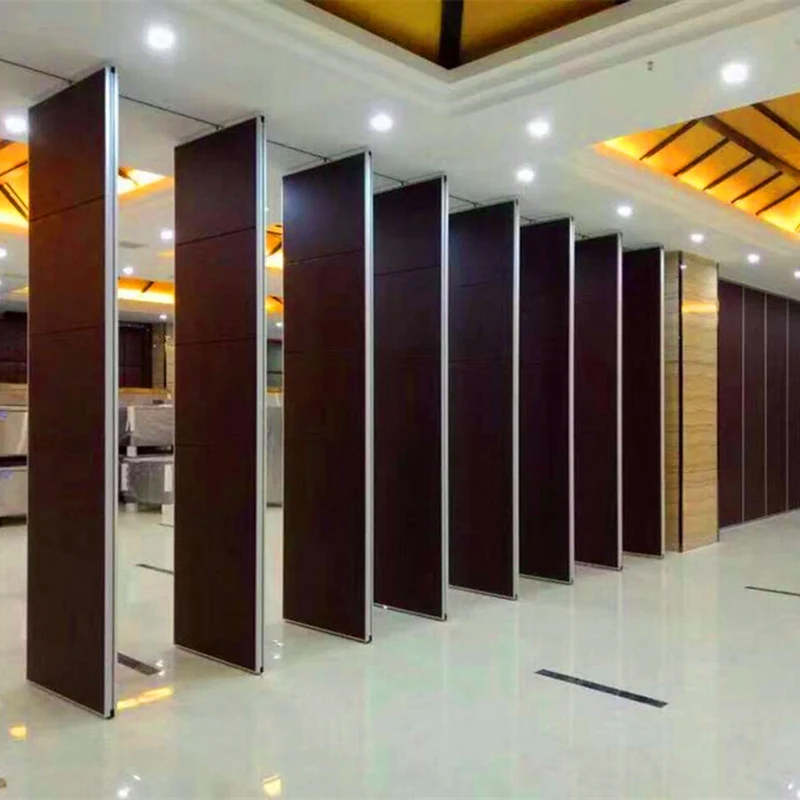
For movable partition packages, the most useful coordination question is simple: does the tender ask for enough layout information to review the straight, turning and stacking routes, and does it ask for the finish and pass-door decisions that affect the opening? If the answer is no, the register should be corrected before bid opening.
Review the maintained product context at movable walls and the broader planning notes in the resources library when building the register. These pages describe product scope and buyer planning context; they do not replace project-specific confirmation.
FAQ: Tender Returnable Schedule Completeness Check
What is a tender returnable schedule completeness check?
It is a structured pre-opening review that confirms every document, drawing, schedule and declaration required by the tender has been submitted, is legible and is traceable to the correct requirement.
Why does it matter for movable partition packages?
Movable partition scope depends on layout, route, finish and pass-door decisions. If the tender does not request that information, evaluation cannot confirm that the proposed configuration is coordinated with the building.
Should the check assess acoustic performance?
No. The completeness check confirms that the required information is present.
What layout information should the tender request?
Provide the current layout, opening dimensions, ceiling information, intended room use, and relevant project drawings for review. The exact overhead route and support arrangement must be confirmed by the responsible project team from coordinated drawings.
How should finishes and pass doors be handled?
The tender should require the bidder to state the proposed finish from confirmed options such as laminate, melamine, fabric, leather, glass or other approved surfaces, and to identify any pass-door requirement rather than assume it.
What should happen when an item is missing?
Record it in a clarification log, escalate it before bids are opened, and update the returnable register if an addendum changes the requirement.
Conclusion and Next Step
A tender returnable schedule completeness check is a low-cost discipline that protects the evaluation stage. Build the register, run the numbered check, state your evidence boundaries, and confirm project-specific support, acoustic and dimensional requirements for the actual opening and layout.
If you are preparing a movable partition package and want to discuss pass-door requirements, finish options or project documentation, contact the EBUNGE team to coordinate the next step.