
Quick answer: track fixing crew phasing ceiling
Review focus: track fixing crew phasing ceiling.
Track fixing crew phasing ceiling grid closure dependency is one of the most common sequencing problems on fit-out projects. The ceiling grid is not closed, but the movable wall track must be set before finishes lock the zone. The right answer is not to rush overhead work or to assume the grid can wait. It is to separate what can be fixed now from what must be confirmed first, then phase crews around a documented route and support review.
Why the Ceiling Grid Closure Date Is Not the Only Trigger
Project review term: track fixing crew phasing ceiling.
Teams often treat ceiling grid closure as a single gate. In practice, several dependencies sit behind it: the overhead route, the support condition, the parking position and the interface with other trades. The suitability of each route and parking arrangement depends on the approved layout, circulation, ceiling interfaces and operating sequence. An open grid may still allow track fixing if the route and support are already reviewed.
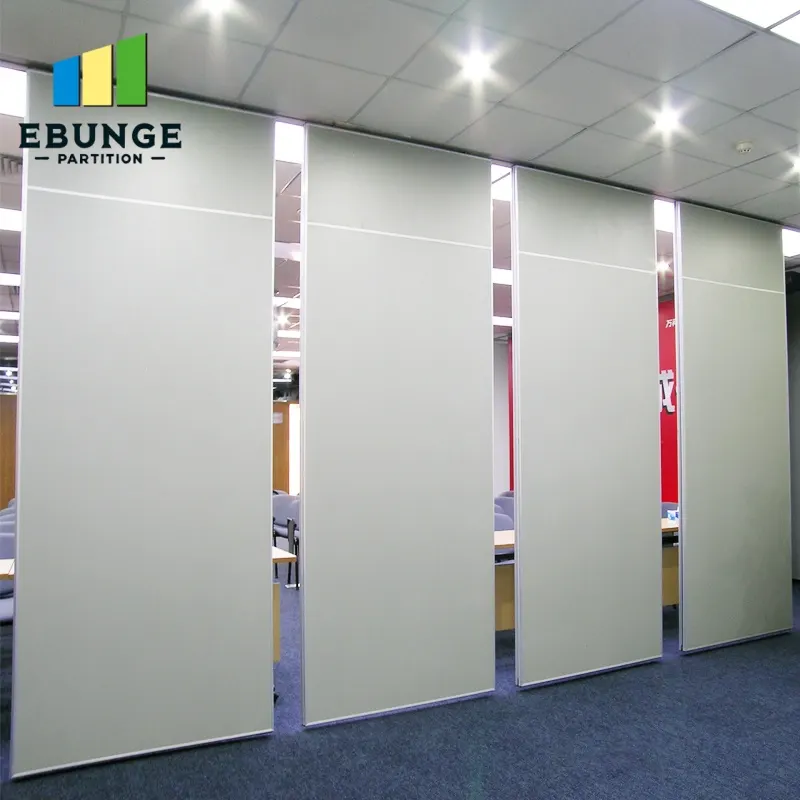
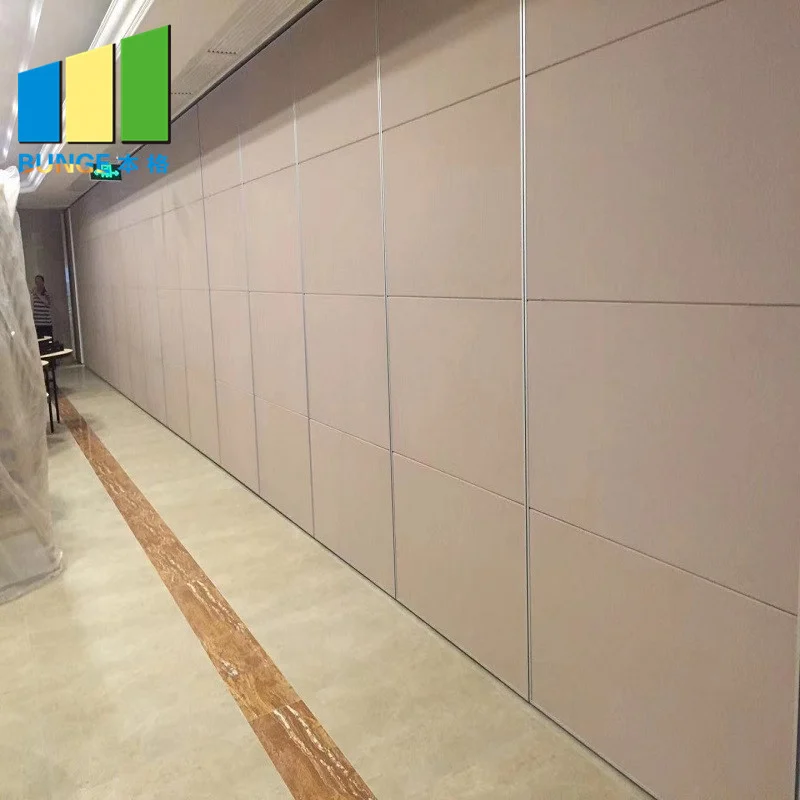
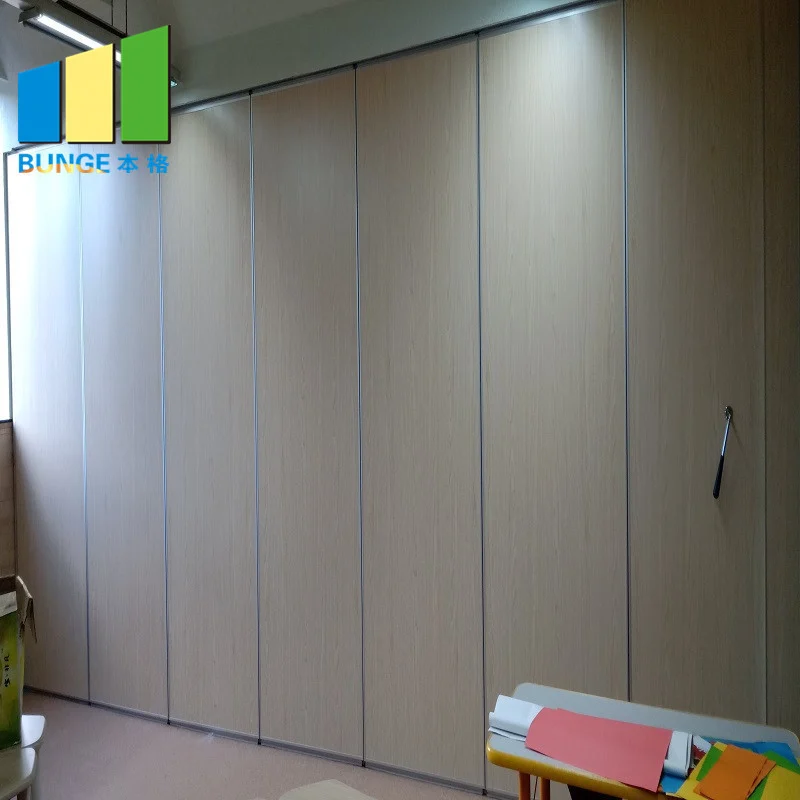
For top-hung movable partitions, panels are individually movable, suspended from a top track, cross the opening without a floor track and park at a planned stacking position. That means the overhead route is the critical path, not the floor. If the grid is open, the contractor has a rare chance to inspect and document that route before it is concealed.
What Must Be Confirmed Before Track Fixing Starts
Coordination scope: track fixing crew phasing ceiling.
Do not mobilise a track fixing crew on a verbal instruction. Use a short pre-start review that forces the project team to confirm the items below. Where an answer is missing, treat it as a hold point rather than a reason to proceed.
- Straight, turning and stacking routes reviewed against the current layout.
- Parking position agreed and shown on the coordinated drawing.
- Interface with ceiling services, lighting and sprinkler positions checked.
- Pass-door requirements discussed where the layout includes them.
- Project documentation and finish selections aligned with the approved schedule.
These points are not performance claims. They are coordination checks. Each one should be confirmed for the specific project, because a generic detail cannot prove that a given ceiling zone is ready.
A Phased Sequence for an Open Grid
Checklist focus: track fixing crew phasing ceiling.
The following sequence keeps overhead work moving without pretending the ceiling is finished. Adjust the order to the project programme, but keep the logic: survey first, fix second, close last.
- Survey the open grid. Record the actual overhead conditions, route obstructions and any deviation from the coordinated drawing.
- Confirm the route and parking. Walk the straight, turning and stacking paths with the layout in hand.
- Review support. Obtain project-specific confirmation for the support condition before fixing begins.
- Fix the track in reviewed zones. Work only where the route and support are confirmed.
- Protect and document. Photograph the installed condition and record any deviation for the close-out file.
- Release the grid for closure. Close the ceiling only after the track zone is signed off by the responsible parties.
This sequence does not remove the need for a competent installer or a project-specific method statement. It simply prevents the grid closure date from becoming the first time anyone checks the overhead route.
Coordinating Other Trades Around the Track Zone
Review focus: track fixing crew phasing ceiling.
Ceiling services often occupy the same void as the track. Lighting, sprinklers, ductwork and cable trays may all cross the route. If those trades are sequenced after track fixing, they can block a turning or stacking path that was previously clear.
Hold a short coordination meeting before the crew arrives. Mark the route on the ceiling plan. Ask each trade to confirm whether their work crosses it. Where a conflict exists, resolve it on the drawing before the grid closes, not after.
Evidence Limits: What an Open Grid Does Not Tell You
Project review term: track fixing crew phasing ceiling.
An open ceiling grid shows visible conditions. Those depend on project-specific design, support and documentation.
Visible shape, finish or drawing detail is not evidence of hidden performance. Confirm acoustic, support and dimensional requirements for the specific project before relying on them.
Finish options such as laminate, melamine, fabric, leather, glass and other approved surfaces can be discussed for the project.
Documentation to Keep With the Track Fixing Record
Good phasing depends on a paper trail that survives the close-out. Keep the reviewed layout, the parking position, the support confirmation and the survey notes together. If the grid closes before a deviation is recorded, the project loses the ability to correct it cheaply.
Project documentation and pass-door requirements can be discussed with the supplier during planning. Use the resources page to review general planning context, and compare the maintained product information on the movable walls page before finalising the sequence.
Frequently Asked Questions
Can track fixing start before the ceiling grid is closed?
It can be considered where the overhead route, support condition and parking position have been reviewed for the project. The open grid is an opportunity to inspect, not an automatic approval to proceed.
What is the biggest risk of fixing track too early?
The exact overhead route and support arrangement must be confirmed by the responsible project team from coordinated drawings. That can force rework after the grid closes.
Does a top-hung system need a floor track?
EBUNGE movable partition panels are top-hung and move without a continuous floor running track or floor hardware along the partition line. The overhead route still requires project-specific support review.
How should parking be coordinated with an open grid?
Parking style is customised to the customer layout and project requirements and may support compact stacking when the coordinated design permits it. Confirm the parking position on the layout before fixing.
Which finish options can be discussed?
Confirmed finish options include laminate, melamine, fabric, leather, glass and other approved surfaces. Selection should follow the project specification and any required documentation.
When should the ceiling grid be closed?
Close the grid after the track zone has been surveyed, fixed where confirmed, protected and recorded. The exact release point should be agreed with the responsible site team.
Conclusion: Phase the Crew, Not the Facts
Track fixing crew phasing around an open ceiling grid works when the team separates coordination from assumption. Survey the route, confirm support and parking, fix only in reviewed zones, and document the result before closure.
Every project has its own support, acoustic and dimensional requirements. Confirm them with the responsible designers and with EBUNGE before work starts. To discuss your layout, route and documentation, contact the EBUNGE team.