
Quick answer: shared egress path circulation review
Review focus: shared egress path circulation review.
When a movable wall parks in a stacking pocket that sits on a shared egress path, the circulation review becomes more than a drawing check. The stacking pocket shared egress path circulation review must confirm that the parked panels, the movement route and the clear path all work together without blocking the way people leave a space. This article sets out an evidence-bounded framework for that review, using only maintained product facts and project-specific drawing confirmation.
Why a Stacking Pocket on a Shared Egress Path Deserves Early Attention
Project review term: shared egress path circulation review.
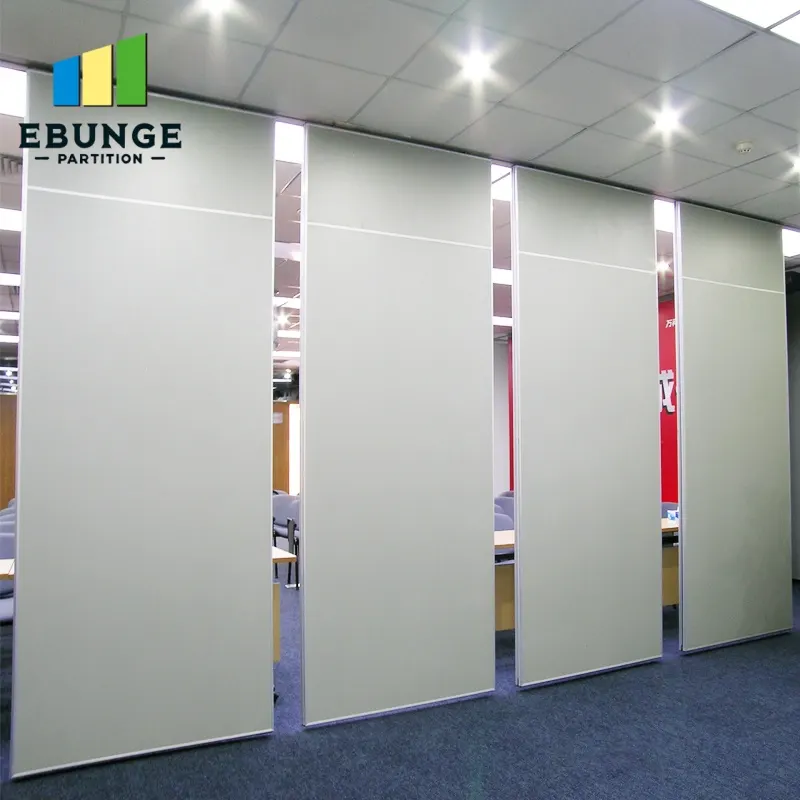
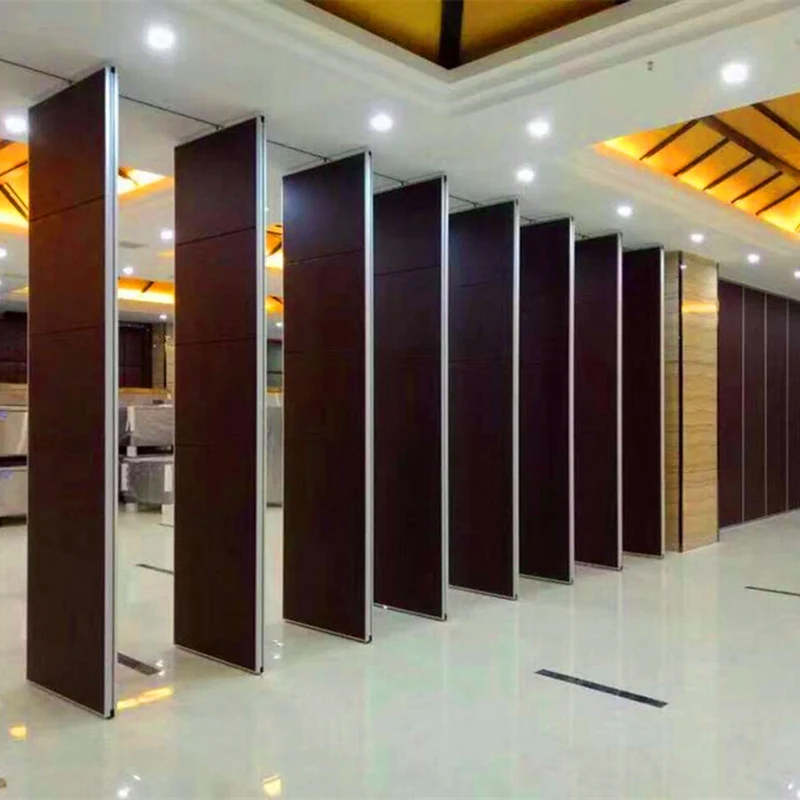
A movable partition is top-hung: panels are individually movable, suspended from a top track, cross the opening without a floor track, and park at a planned stacking position. That parking position is the stacking pocket. When the pocket sits on a shared egress path, the parked panels occupy part of the route that other occupants may need.
The review question is not whether movable walls are suitable. It is whether the proposed stacking position, the route to it and the remaining clear path can all be coordinated on the project drawings. That is a layout and circulation question, not a performance claim.
What the Circulation Review Should Cover
Coordination scope: shared egress path circulation review.
Start with the routes. The layout should show the straight, turning and stacking routes for the panels. The exact route, junction arrangement, continuous overhead path and parking position must be confirmed from the coordinated project drawings. The review should confirm that the overhead route is shown as continuous from the opening to the parking position.
Next, look at the shared egress path itself. The review should identify where the path runs, how wide it is shown on the drawing, and how the stacking pocket relates to it. The goal is to understand the interaction, not to assume a clearance figure. Any dimensional requirement must be confirmed for the specific project.
Route and pocket checks
- Is the straight route from the opening to the pocket shown on the layout?
- Are turning routes shown where the track changes direction?
- Is the stacking route shown as a continuous overhead path?
- Does the pocket location overlap the shared egress path on the drawing?
- Is the parking position clearly marked relative to the path?
Coordination checks
- Have the architect, contractor and owner reviewed the same layout revision?
- Are pass-door requirements discussed where the pocket affects movement?
- Are finish selections noted without implying performance?
- Is the project documentation list agreed before specification?
Evidence Boundaries: What You Can and Cannot Infer
Checklist focus: shared egress path circulation review.
Drawings and finishes show visible information. Visible references can support layout discussion but do not verify hidden construction or performance. The suitability of each route and parking arrangement depends on the approved layout, circulation, ceiling interfaces and operating sequence.
If acoustic separation matters, confirm the project-specific requirement with the relevant documentation.
Evidence note: every performance, dimensional and support statement in a stacking pocket review must be traceable to project-specific documentation. Visible shape, finish or drawing geometry is not a substitute for that evidence.
A Step-by-Step Review Process
Review focus: shared egress path circulation review.
- Collect the current architectural layout showing the shared egress path and the proposed stacking pocket.
- Mark the straight, turning and stacking routes on the drawing.
- Confirm that each route is shown as a continuous connected overhead path.
- Identify where the pocket and the shared egress path interact.
- Agree the documentation set with the project team before specification.
- Record open items and assign responsibility for confirmation.
Coordination Between Disciplines
Project review term: shared egress path circulation review.

Circulation review is a shared task. The architect owns the layout intent. The contractor owns the coordination of the installed condition. The owner or operator owns the way the space is used day to day. A stacking pocket on a shared egress path touches all three.
Use one drawing revision as the common reference. When the pocket moves, the route changes, and the review should be repeated. This is not a one-time check; it follows the design as it develops.
Questions to bring to the project team
- What is the intended use of the shared egress path at peak times?
- Does the pocket need to be accessible when the panels are parked?
- Are pass-door requirements relevant to the opening or the pocket?
- Which finish options are being considered, and are they approved surfaces?
- What documentation does the project require before ordering?
Specification Notes Without Unsupported Claims
A specification for a movable wall with a stacking pocket should describe the layout, the route and the parking position. The exact overhead route and support arrangement must be confirmed by the responsible project team from coordinated drawings.
Finish options include laminate, melamine, fabric, leather, glass and other approved surfaces. Pass-door requirements and project documentation can be discussed with the supplier as part of the same review.
Frequently Asked Questions
What is a stacking pocket in a movable wall system?
A stacking pocket is the planned parking position where individually movable, top-hung panels gather when the opening is clear. The panels are suspended from a top track and cross the opening without a floor track.
Why does a shared egress path change the review?
When the pocket sits on a shared egress path, the parked panels and the route to the pocket interact with the path people use. The review must show that interaction on the layout and confirm the project-specific requirements.
Can panels travel across a gap to reach the pocket?
No. Every proposed movement path requires a continuous connected overhead route. The straight, turning and stacking routes should be reviewed from the layout, and any gap must be resolved in the design.
Does a finish choice prove acoustic performance?
No. Laminate, melamine, fabric, leather, glass and other approved surfaces are finish options. Confirm project-specific requirements separately.
What documentation should be prepared?
Prepare the current layout, marked routes, pocket location, finish selections and a list of open dimensional, support and acoustic questions. Pass-door requirements and project documentation can be discussed with the supplier.
When should the circulation review happen?
As early as possible, and again whenever the pocket location or the shared egress path changes. The review follows the design and should use one common drawing revision.
Conclusion and Next Steps
A stacking pocket on a shared egress path is a coordination problem before it is a product problem. Review the routes, mark the pocket, identify the interaction with the path, and separate visible drawing information from performance claims that need project-specific evidence.
To discuss your layout, pass-door requirements and project documentation, contact the EBUNGE team. You can also review the movable wall product context and the project planning resources before your next drawing review.