
Quick answer: track fixing crew sequencing ceiling
Review focus: track fixing crew sequencing ceiling.
Track fixing crew sequencing ceiling grid closure dependency is one of the most common coordination gaps on flexible-space projects. The ceiling grid is still open, the movable partition track must be fixed, and the general contractor wants both trades to proceed without rework. This article sets out an evidence-bounded planning framework for overseas contractors, architects, interior designers, owners and renovation teams. The suitability of each route and parking arrangement depends on the approved layout, circulation, ceiling interfaces and operating sequence. Every recommendation below should be checked against the coordinated drawings and confirmed requirements for the actual building.
Why the Ceiling Grid Closure Sequence Matters
Project review term: track fixing crew sequencing ceiling.
Movable wall panels are individually movable, suspended from a top track, cross the opening without a floor track, and park at a planned stacking position. That operating concept means the overhead route is part of the partition system, not an accessory. If the ceiling grid is not closed, the track fixing crew may be working around incomplete coordination rather than simply installing a component.
The dependency is not only about access. It is about which decisions must be frozen before the track can be fixed: the straight, turning and stacking routes reviewed from the layout; the support condition above the track; and the interface between the track and the surrounding ceiling construction. None of these should be inferred from a photograph or a generic detail.
What the track actually does
The top track carries the panels and defines the movement path. Because panels do not run on a continuous floor track, the overhead route must be continuous and connected wherever panels are expected to travel. The exact route, junction arrangement, continuous overhead path and parking position must be confirmed from the coordinated project drawings.
What closure does not automatically prove
Those are separate confirmations. Treating closure as approval for track fixing can create avoidable rework.
A Decision Checklist Before Track Fixing Starts
Coordination scope: track fixing crew sequencing ceiling.
Use this checklist as a coordination gate. It is deliberately limited to information that project teams can verify from drawings, specifications and site observation, without assuming hidden performance.
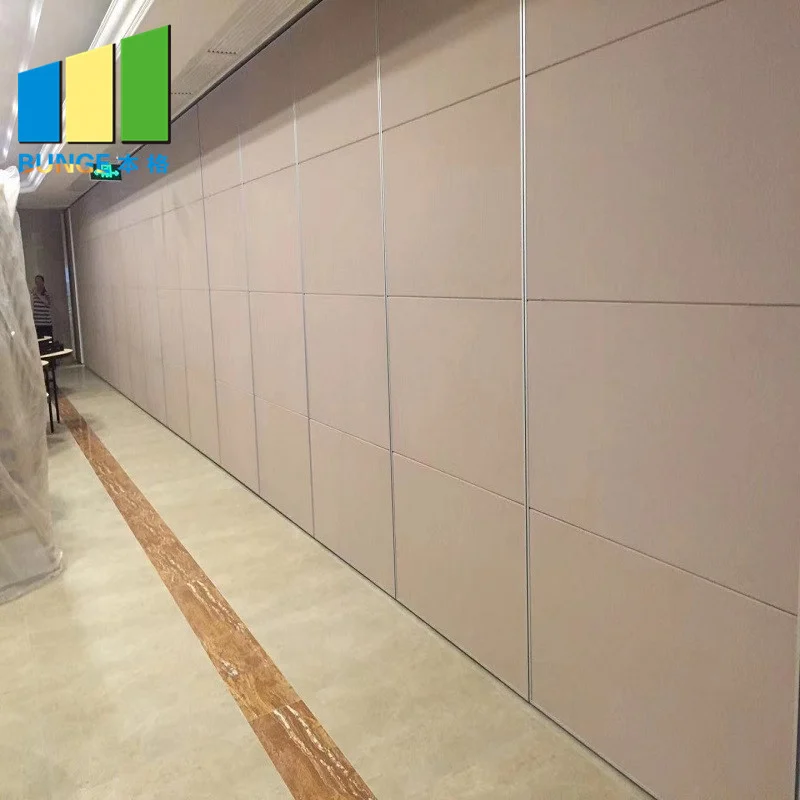
- Layout review: confirm straight, turning and stacking routes from the coordinated layout.
- Ceiling interface: confirm how the track relates to the grid, bulkheads and surrounding construction.
- Closure status: confirm which ceiling zones must be closed before track fixing and which can remain open for access.
- Finish coordination: confirm approved finish direction, including laminate, melamine, fabric, leather, glass or other approved surfaces.
- Pass-door requirements: confirm whether pass doors are required and how they affect the sequence.
- Documentation: confirm the project documentation set that the installation team will work to.
Numbered Process for Sequencing the Crews
Checklist focus: track fixing crew sequencing ceiling.
The following sequence is a planning model, not a fixed rule. Adjust it to the project programme and the responsible designer’s instructions.
- Freeze the partition layout and movement routes before track fixing is scheduled.
- Confirm the support and ceiling interface details with the relevant designers.
- Agree which ceiling areas must be closed, and which remain open for track access.
- Release the track fixing crew only for zones where the above confirmations are documented.
- Verify the installed track route against the layout before panels are moved into position.
- Coordinate panel delivery and parking position after the track route is verified.
- Record any deviation and resolve it before closing the remaining ceiling zones.
Evidence Boundaries You Should State in the Method Statement
Review focus: track fixing crew sequencing ceiling.
An evidence note helps prevent optimistic assumptions from entering the installation plan. The following statements are safe to include because they describe confirmation boundaries rather than performance results.
Track fixing depends on project-specific support, ceiling interface and route confirmation. Visible references can support layout discussion but do not verify hidden construction or performance.
Coordination Between Trades and Closure Zones
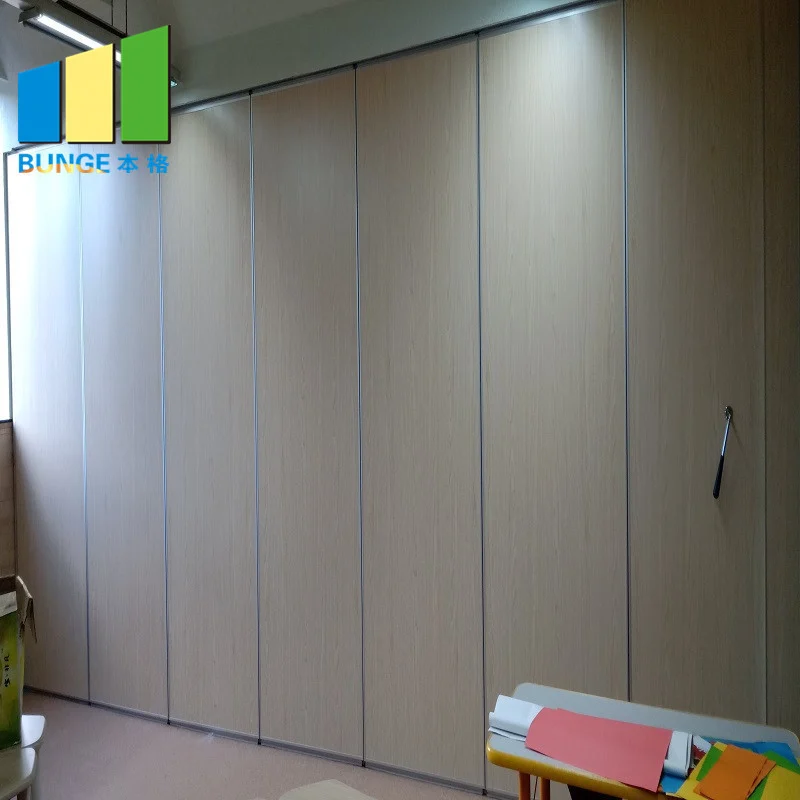
Project review term: track fixing crew sequencing ceiling.
Ceiling grid closure often belongs to another trade. The track fixing crew may need access to the same zone, which creates a direct dependency. The practical answer is zone-based release rather than a single project-wide start date.
Zone release logic
Divide the ceiling into zones that match the partition routes. For each zone, record whether the support condition is confirmed, whether the track route is coordinated, and whether closure can proceed without blocking access.
Interface with finishes and pass doors
Finish selection and pass-door requirements can affect the order in which panels and surrounding works are handled. Confirmed finish options include laminate, melamine, fabric, leather, glass and other approved surfaces. Pass-door requirements and project documentation can be discussed with the supplier so that the sequence reflects the actual specification.
Common Sequencing Mistakes to Avoid
Most problems come from treating the track as a simple fixing item rather than part of a coordinated overhead route. Avoid releasing track fixing before the route and support condition are confirmed. Avoid closing ceiling zones that the installation team still needs for access.
Also avoid using a generic detail from another project as evidence for this one. Layouts differ, support conditions differ, and parking positions differ. The parking style is customized to the customer layout and project requirements, and may support compact stacking when the coordinated design permits it.
Frequently Asked Questions
Can track fixing start before the ceiling grid is closed?
It can be considered only where the support condition, track route and ceiling interface are confirmed for that zone. Closure status alone is not the deciding factor.
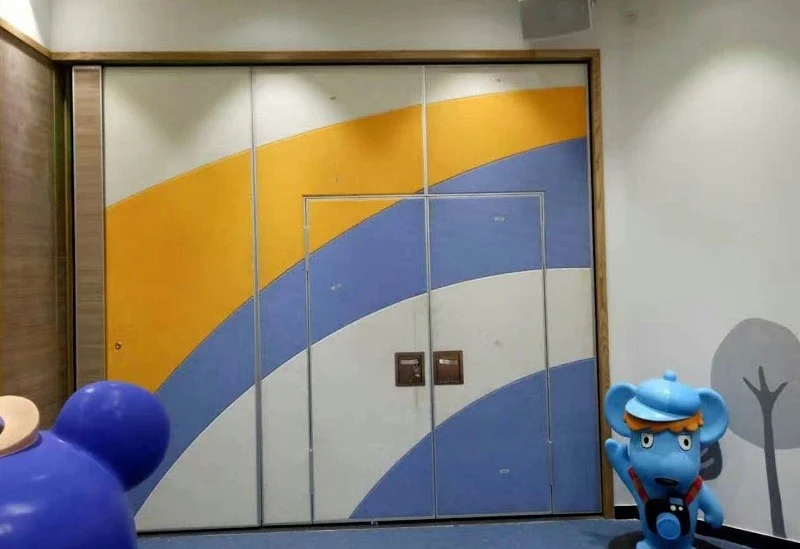
Does a closed ceiling grid confirm acoustic performance?
No.
Do movable partitions need a floor track?
EBUNGE movable partition panels are top-hung and move without a continuous floor running track or floor hardware along the partition line. The overhead route still requires project-specific support review.
How are straight, turning and stacking routes confirmed?
They are reviewed from the layout. The proposed movement path must be continuous and connected overhead, and any gap requires project-specific review.
What finish options can be discussed?
Confirmed finish options include laminate, melamine, fabric, leather, glass and other approved surfaces. Suitability for a specific project should be confirmed against the specification.
Can pass doors be included in the sequence?
Pass-door requirements and project documentation can be discussed. Their effect on the installation sequence should be confirmed for the actual layout.
Conclusion and Next Step
Track fixing crew sequencing around an open ceiling grid is a coordination problem before it is an installation problem. Freeze the layout, confirm support and ceiling interfaces, release work by zone, and keep performance questions tied to project-specific evidence. This approach protects the programme without promising outcomes that have not been confirmed.
To review your layout, track route, finish direction or pass-door requirements, contact the EBUNGE team. You can also review the movable wall product context and the planning resources before your next coordination meeting.