
Quick answer: track fixing sequence
Review focus: track fixing sequence.
In a bidder track fixing sequence comparison partition tender review, two submissions can look different even when both describe a top-hung movable partition. One bidder may list track installation before panel hanging; another may describe panel preparation first. The difference is often wording, not necessarily method. Your task is to separate presentation from project-specific evidence.
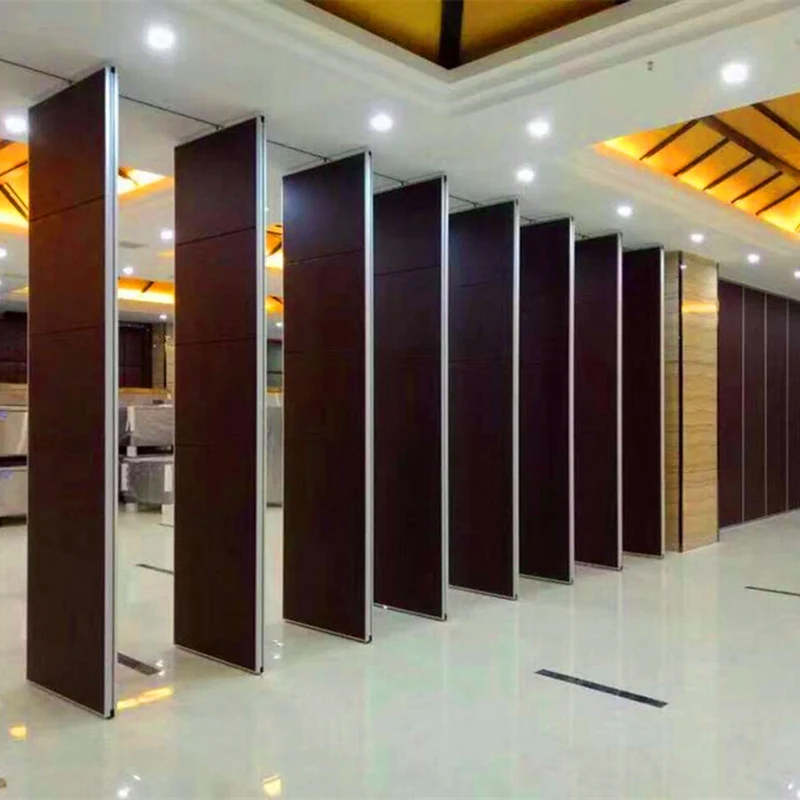
EBUNGE movable wall panels are individually movable, suspended from a top track, cross the opening without a floor track, and park at a planned stacking position. Straight, turning and stacking routes are reviewed from the layout. Those maintained facts give you a stable baseline for reading bidder narratives.
Why the Same Sequence Can Read Differently
Project review term: track fixing sequence.
Bidders write for different audiences. A contractor may emphasize site access and protection. A specialist may emphasize track alignment and route continuity. Visible references can support layout discussion but do not verify hidden construction or performance. The tender review should ask whether each description matches the project drawings and the confirmed product facts.
Do not treat a longer sequence as more complete or a shorter one as less capable. Instead, map each bidder statement to a drawing, a specification clause or a request for clarification. If a statement cannot be mapped, mark it as unverified rather than filling the gap with assumptions.
Common wording differences to expect
- Track fixing described as a first step versus a coordinated step after substrate review.
- Panel movement described by route type rather than by panel count.
- Parking described as a location rather than a sequence stage.
- Finish protection mentioned in installation notes rather than in the method statement.
Build a Comparison Framework Before Reading Bids
Coordination scope: track fixing sequence.
A consistent framework reduces the risk of comparing unlike statements. Use the project layout, the opening dimensions and the intended stacking position as fixed reference points. Then read each bid against those references.
- Confirm the overhead route is continuous and connected for every proposed movement path.
- Identify where each bidder places track fixing in the overall sequence.
- Check whether the described sequence respects the planned parking position.
- Note any statement that implies a floor track or floor hardware along the partition line.
- List every point that requires project-specific support, acoustic or dimensional confirmation.
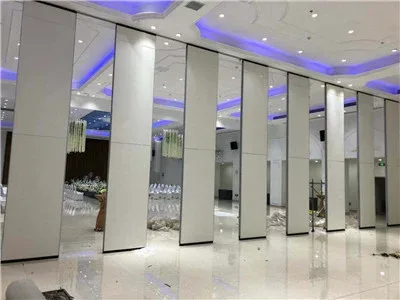
Panel handling and the operating sequence must be confirmed for the selected layout and project conditions. It ranks the clarity and verifiability of their descriptions.
Evidence Boundaries in Track Fixing Narratives
The suitability of each route and parking arrangement depends on the approved layout, circulation, ceiling interfaces and operating sequence. Those items require separate project-specific confirmation.
Treat finish statements as finish statements, not as performance evidence.
What to ask for instead of assuming
| Bidder statement | Review action |
|---|---|
| Track fixing is straightforward | Request the project-specific support review and drawing reference. |
| Sequence follows standard practice | Ask for a sequence diagram tied to the actual layout. |
| Acoustic performance is suitable | Request the project-specific acoustic documentation without reducing STC or Rw to a simple count of decibels. |
| Parking is included | Confirm the planned stacking position and route from the layout. |
Confirm acoustic requirements for the specific project.
Questions That Reveal Sequence Gaps
Use clarification questions to test whether a bidder has considered the full route. A sequence that stops at the track may not address panel movement, turning or parking. A sequence that starts with panels may not address overhead continuity.
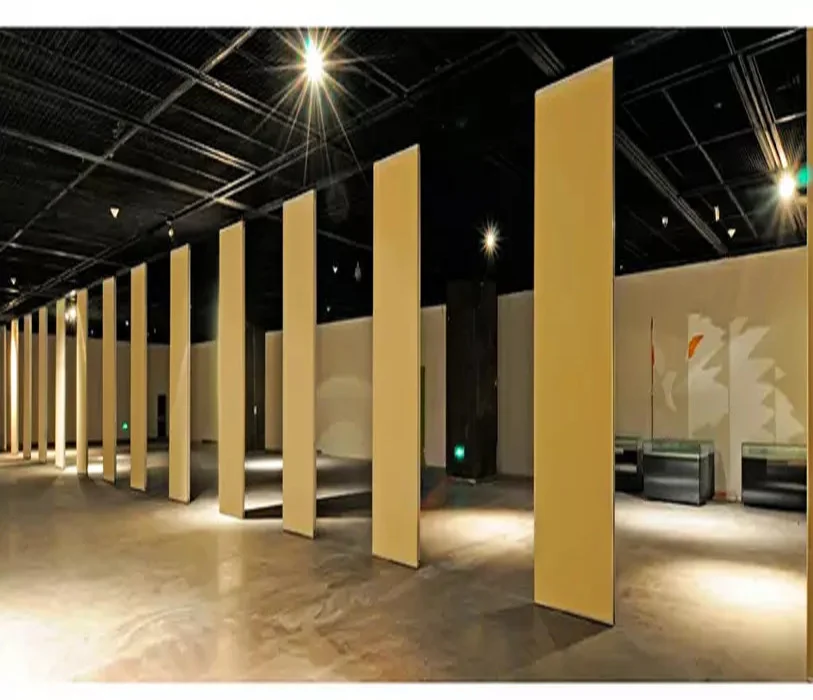
Ask each bidder to walk through the sequence from the first fixing activity to the final parking position. Then compare the answers side by side. Differences in order are acceptable if the underlying route and support assumptions are consistent.
Clarification prompts for tender review
- Where does the overhead route begin and end for each opening?
- How is the planned stacking position reached from the opening?
- Which sequence steps depend on other trades or substrate readiness?
- What project-specific information is still outstanding?
Documentation and Pass-Door Coordination
Pass-door requirements and project documentation can be discussed with EBUNGE. The exact overhead route and support arrangement must be confirmed by the responsible project team from coordinated drawings. Do not assume a pass-door detail from a generic drawing.
Ask bidders to identify where pass-door requirements appear in their sequence and how those requirements are documented. If the documentation is incomplete, record it as an open item rather than inferring a solution.
How to Score Without Overreaching
Score bidders on the clarity of their sequence, the completeness of their references and their willingness to confirm project-specific items.
The goal is a reviewable submission, not a persuasive one.
Decision checklist for the review team
- Does the sequence match the confirmed top-hung, clear-floor concept?
- Is every movement path supported by a continuous overhead route?
- Are track fixing steps tied to project drawings?
- Are acoustic, support and dimensional items flagged for confirmation?
- Are finish options listed without implying unverified performance?
- Are pass-door and documentation items visible in the submission?
FAQ
Can two bidders use different sequences and both be correct?
Yes, if both sequences respect the same project layout, overhead route and parking position. The review should compare the underlying assumptions, not the order of words alone.
Does a floor track appear in a top-hung movable partition sequence?
No. EBUNGE movable wall panels cross the opening without a floor track. If a bidder describes a continuous floor running track along the partition line, ask for clarification against the project drawings.
How should acoustic claims be handled in a tender review?
Request project-specific acoustic documentation.
What if a bidder’s sequence omits the parking position?
Mark it as an open item. Parking style is customized to the customer layout and project requirements, so the planned stacking position should be confirmed from the layout.
Can EBUNGE help compare bidder sequences?
EBUNGE can discuss pass-door requirements and project documentation. The exact route, junction arrangement, continuous overhead path and parking position must be confirmed from the coordinated project drawings.
Should finish options influence the sequence comparison?
Finish options such as laminate, melamine, fabric, leather or glass are separate from the track fixing sequence.
Conclusion
A bidder track fixing sequence comparison is a documentation exercise, not a performance prediction. Use the maintained product facts as your baseline, map each statement to project drawings, and flag every item that needs project-specific confirmation. For product context, visit the movable partition wall page. For planning resources, see our resources. To discuss pass-door requirements and project documentation, contact EBUNGE.