
Quick answer: tender clarification log fields
Review focus: tender clarification log fields.
An operable wall tender clarification log fields set is not a formality. It is the record that shows why a bid was interpreted a certain way, which drawing was current, and what still needs project-specific confirmation. For overseas contractors, architects, interior designers, owners and renovation teams, the log protects the review from memory-based assumptions. It also separates maintained product facts from unverified expectations.
This article proposes five fields that keep bid reviews auditable. It does not replace your tender rules, contract documents or drawing review. Every project still needs its own support, acoustic and dimensional confirmation.
Why an Auditable Clarification Log Matters
Project review term: tender clarification log fields.
A bid review often compares documents produced at different times by different parties. Without a log, a clarification given verbally or in an email can disappear from the evaluation. The result is a comparison that looks tidy but cannot be reconstructed.
An auditable log records the question, the answer, the evidence behind the answer and the drawing revision it relates to. It also records what remains open. That structure helps reviewers avoid treating a generic finish or a room name as proof of performance, structure or completed scope.
What the log should not do
The log should not convert an unanswered point into an assumed capability. Visible references can support layout discussion but do not verify hidden construction or performance. Where a statement needs matching evidence, the log should say so plainly.
Field 1: Clarification Reference and Date
Coordination scope: tender clarification log fields.
Every entry needs a unique reference and a date. The reference links the clarification to the tender query, the meeting minute or the drawing review comment. The date establishes which version of the tender documents was current when the answer was given.
Use one numbering sequence across the whole package. If a clarification is superseded, do not delete the original entry. Add a superseding entry and cross-reference it. The suitability of each route and parking arrangement depends on the approved layout, circulation, ceiling interfaces and operating sequence.
Minimum content for this field
- Unique clarification number
- Date raised and date answered
- Source document or meeting reference
- Status: open, answered, superseded or closed
Field 2: Drawing and Layout Revision
Checklist focus: tender clarification log fields.
Operable wall reviews depend on layout. The log should name the drawing revision that the clarification relates to. This matters because straight, turning and stacking routes are reviewed from the layout, and a later revision can change the route or the parking position.

Record the plan, elevation or detail reference. If the clarification concerns the opening, the track route or the planned stacking position, state which drawing shows it. Do not assume that a route shown on one revision remains valid on another.
Route review note
Panels are individually movable, suspended from a top track, cross the opening without a floor track and park at a planned stacking position. Every proposed movement path still requires a continuous connected overhead route and project-specific support review. The log should record that this review is pending or complete, not infer it from a sketch.
Field 3: Scope Item and Finish Assumption
Review focus: tender clarification log fields.
Clarifications often concern what is included. The log should state the scope item in plain terms: panel faces, pass-door requirements, stacking arrangement, interface with adjacent construction or documentation deliverables.
Confirmed finish options include laminate, melamine, fabric, leather, glass and other approved surfaces. If a finish is named, record it as a selection, not as a performance claim.
Scope comparison table
| Log entry type | What to record | What not to infer |
|---|---|---|
| Finish selection | Named approved surface and sample reference | Cleaning, durability or acoustic outcome |
| Pass-door requirement | Location, swing or access intent to be confirmed | Structural or dimensional capacity |
| Parking position | Planned stacking location from the layout | Support adequacy or route clearance |
| Documentation | Requested drawing, schedule or manual | Approval status or compliance |
Field 4: Evidence Source and Boundary
Project review term: tender clarification log fields.
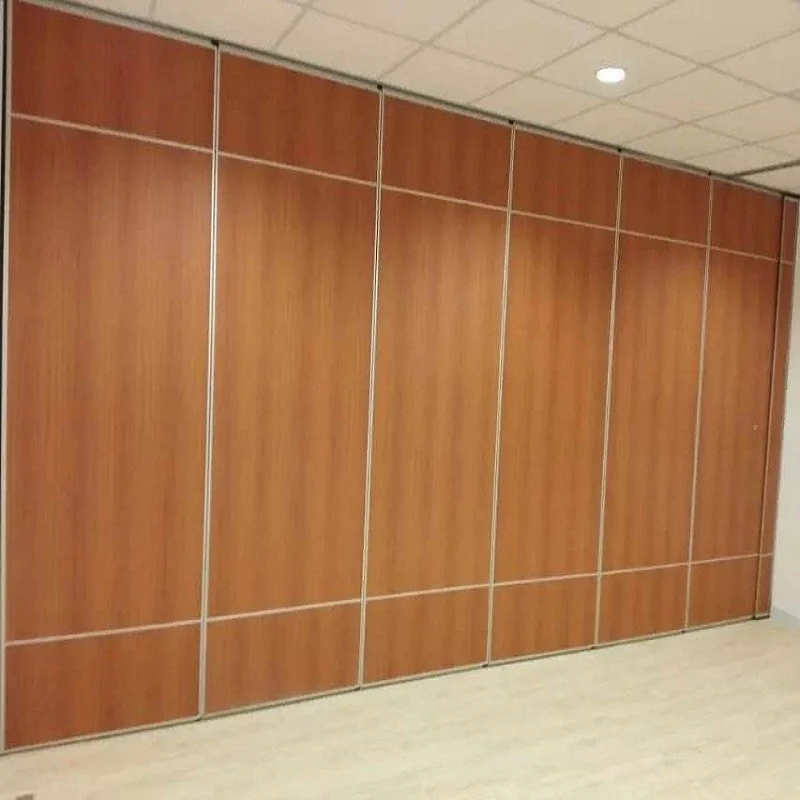
Each answer should name its evidence source. That may be a tender addendum, a drawing revision, a product data sheet or a written clarification. If no evidence exists, the log should say so and mark the item as requiring project-specific confirmation.
This field prevents two common errors. The first is treating a marketing description as a measured result. The second is treating a similar past application as proof for a new project. Neither is auditable without matching evidence.
Evidence note
Where a clarification touches acoustic, structural, fire, dimensional or commercial matters, record the exact confirmation boundary. Do not reduce STC or Rw to a direct count of decibels, and do not promise soundproofing. Confirm project-specific support, acoustic and dimensional requirements with the responsible parties.
Field 5: Open Action, Owner and Closure
The final field turns the log into a working document. It records the open action, the party responsible and the condition for closure. A clarification is not closed because time passed; it is closed when the required evidence or confirmation is attached.
Use a simple status model. Open means the question is logged. Answered means a response exists. Confirmed means the response is supported by evidence and accepted by the relevant reviewer. Closed means no further action is required for the tender stage.
Closure checklist
- Confirm the clarification reference and current drawing revision.
- Attach the evidence source or state the confirmation boundary.
- Record the responsible party and the required next step.
- Check whether the answer changes the bid comparison basis.
- Mark superseded entries and cross-reference replacements.
- Close only when the tender-stage action is complete.
How to Use the Log During Bid Comparison
During comparison, read the log before the pricing sheets. It shows which bids answered the same question and which left a boundary open. It also shows where a bidder assumed a route, a finish or a scope item that the tender did not confirm.
Keep the log visible in review meetings. When a reviewer asks why a point was treated a certain way, the log should provide the reference, the evidence and the status. That is what makes the review auditable rather than personal.
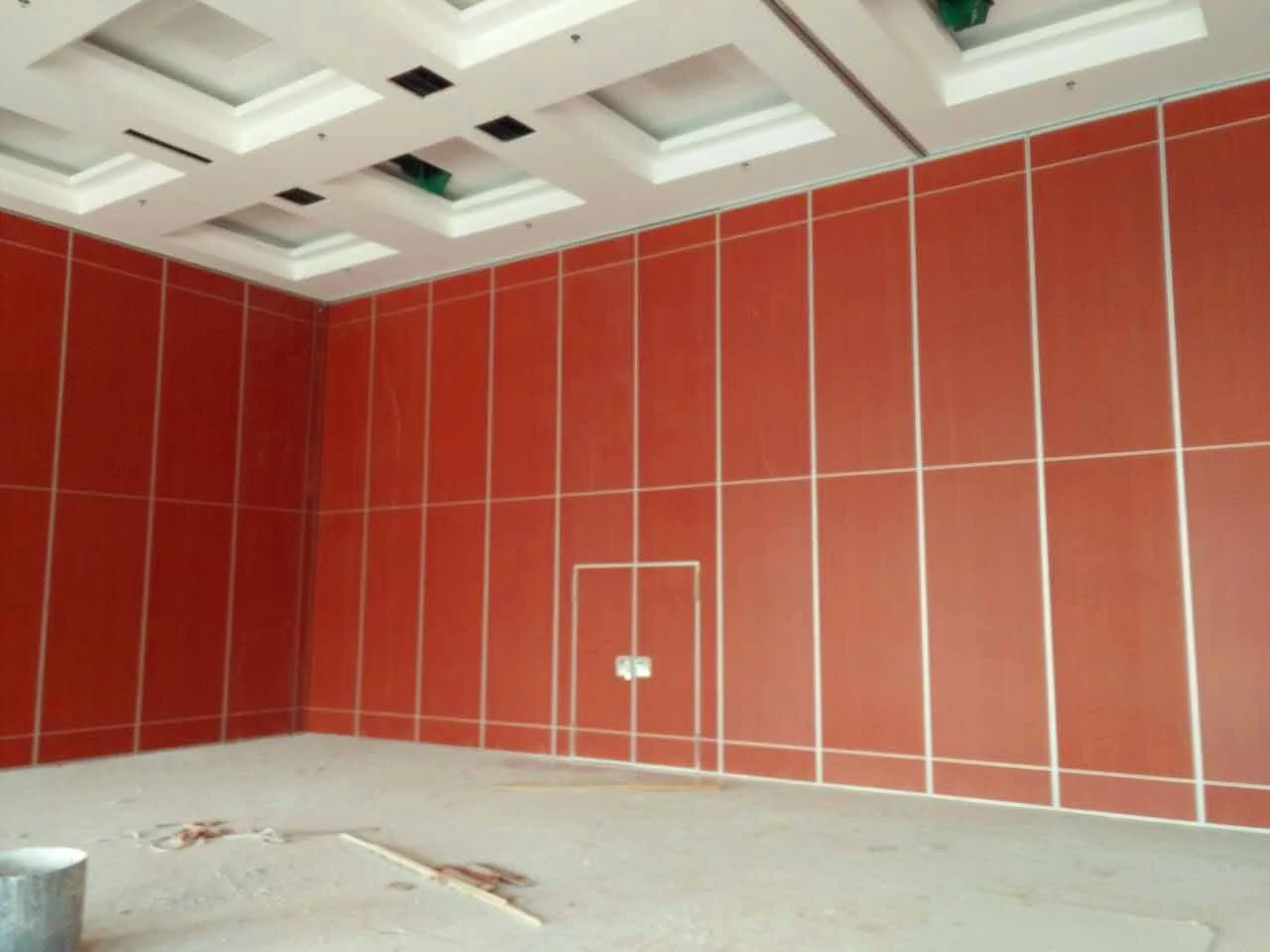
For product context, see the operable wall partition page. For broader planning material, use the resources section. If your team needs to discuss pass-door requirements or project documentation, contact the team with your drawings and tender references.
Frequently Asked Questions
What are operable wall tender clarification log fields?
They are the structured entries that record each tender clarification, its drawing revision, scope item, evidence source and closure status. They keep bid reviews traceable and comparable.
Should the log include acoustic performance statements?
Only where matching evidence exists.
How should finish options be recorded?
Record the selected approved surface, such as laminate, melamine, fabric, leather, glass or another approved finish, as a selection.
Why does the drawing revision matter so much?
Straight, turning and stacking routes are reviewed from the layout. A later revision can change the route or parking position, so the log must link each clarification to the revision it addressed.
Can the log confirm support or dimensional requirements?
No. It records what was asked and answered. The exact overhead route and support arrangement must be confirmed by the responsible project team from coordinated drawings.
When is a clarification entry closed?
When the tender-stage action is complete and the required evidence or confirmation is attached. Superseded entries remain in the log with a cross-reference.
Conclusion
Five fields, consistently used, turn a scattered clarification process into an auditable record. Reference and date establish traceability. Drawing revision anchors the layout. Scope item and finish assumption separate selection from performance. Evidence source and boundary prevent unsupported inference. Open action, owner and closure keep the review moving.
Use the log alongside your tender rules and drawing review. Confirm project-specific support, acoustic and dimensional requirements before relying on any clarification. To discuss pass-door requirements, documentation or a specific layout, contact EBUNGE with your project information.