
Quick answer: operable wall tender track fixing
Review focus: operable wall tender track fixing.
Scoring bidder track fixing method statements in operable wall tenders is not a beauty contest for paperwork. It is a structured review of whether each bidder has shown how the top track will be fixed, supported and coordinated with the building structure. The focus keyword operable wall tender track fixing method statement scoring should guide your evaluation sheet, but the real work happens when you compare written method statements against project drawings and confirmed product facts. This article offers an evidence-bounded framework for overseas contractors, architects, interior designers, owners and renovation teams. The suitability of each route and parking arrangement depends on the approved layout, circulation, ceiling interfaces and operating sequence.
Why Track Fixing Method Statements Deserve Their Own Score
Project review term: operable wall tender track fixing.
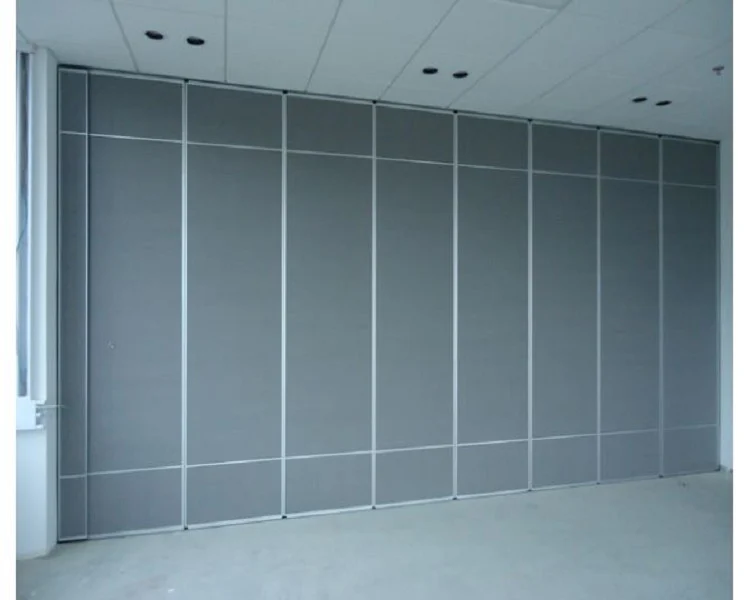
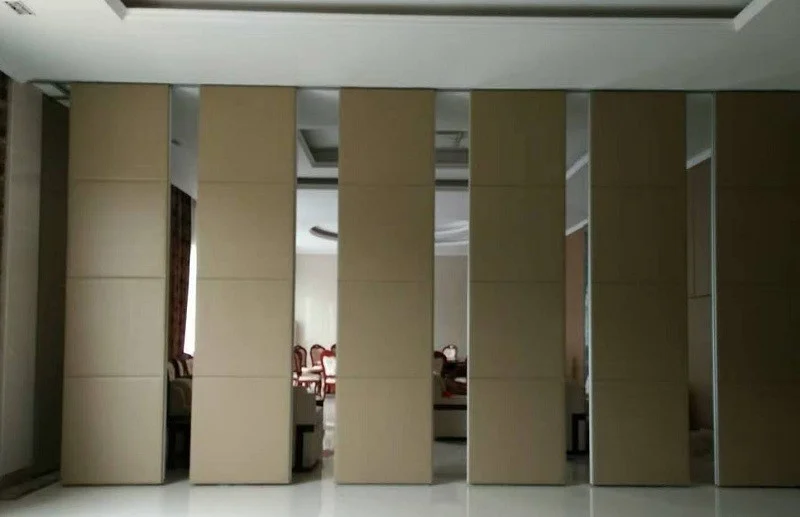
Operable wall panels are individually movable, suspended from a top track, cross the opening without a floor track, and park at a planned stacking position. That simple sequence depends on a continuous overhead route and a support structure that has been reviewed for the application reference. A bidder who writes only about panel finishes or acoustic seals may leave the most consequential interface unresolved.
When you score the method statement separately, you separate installation planning from product marketing. You also create a visible record of what each bidder understood about straight, turning and stacking routes. That record helps later coordination between the main contractor, the partition specialist and the design team.
What a Scorable Method Statement Should Address
Coordination scope: operable wall tender track fixing.
A method statement is scorable when it describes the sequence of work, the interfaces it depends on, and the evidence it will provide. It should not be judged on length alone. Look for clarity about who reviews the support condition, how the track route is set out, and how the stacking position is coordinated with the room layout.
Route and support review
The bidder should explain how the straight, turning and stacking routes were reviewed from the layout. The statement should identify where the overhead route is continuous and where project-specific support review is required. Do not accept a generic phrase such as ‘fixed to structure’ without a drawing reference or a defined review step.
Interface with other trades
Track fixing rarely happens in isolation. A strong method statement names the coordination points and the hold points where work cannot proceed until another trade or consultant has confirmed the condition.
A Practical Scoring Checklist for Tender Reviewers
Checklist focus: operable wall tender track fixing.
Use the following checklist to convert a narrative method statement into comparable scores. Adjust weightings to suit your procurement rules, but keep the evidence requirement consistent across bidders.
- Drawing reference: Does the statement point to the relevant layout, elevation or reflected ceiling plan?
- Route description: Are straight, turning and stacking routes described in relation to the actual opening?
- Support review: Is there a named step for project-specific support confirmation before installation?
- Floor condition: Does the statement confirm that panels cross the opening without a floor track and that no continuous floor running track is proposed?
- Parking position: Is the planned stacking position shown and coordinated with adjacent uses?
- Finish coordination: Are approved finish options such as laminate, melamine, fabric, leather, glass or other approved surfaces addressed where relevant?
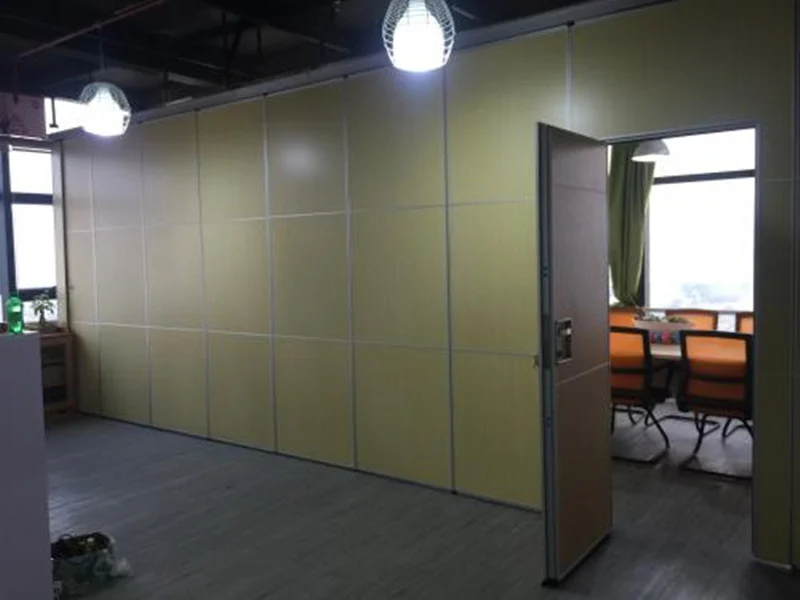
- Pass-door requirements: If a pass door is required, is it discussed as part of the layout and operation?
- Documentation: Does the bidder list the project documentation they will provide for review?
How to Compare Bidders Without Inventing Performance
Review focus: operable wall tender track fixing.
Scoring becomes unreliable when reviewers reward confident language instead of evidence.
Instead, score whether the bidder explains how acoustic seals and junctions will be coordinated, and whether they identify the project-specific acoustic evidence that must be confirmed.
Evidence note for evaluators
Score what the bidder has demonstrated for this project. Do not infer hidden structural, acoustic, fire, durability or commercial performance from a finish sample, photograph or generic statement. Where evidence is missing, record a clarification request rather than awarding a benefit of the doubt.
Red Flags and Clarification Triggers
Project review term: operable wall tender track fixing.
Some method statements contain phrases that should trigger a clarification rather than an automatic rejection. The goal is to obtain missing project information, not to punish brevity.
- No reference to the layout drawing or track route.
- Vague parking description that does not match the planned stacking position.
- Acoustic claims without a stated test basis or project-specific confirmation boundary.
- No mention of pass-door requirements where the layout shows one.
- Finish schedule that lists options without confirming approval status.
When a clarification is needed, ask the bidder to mark up the relevant drawing and describe the review sequence.
Scoring Model Example
Coordination scope: operable wall tender track fixing.
The table below is an illustrative structure only. It does not represent a real tender result or a required weighting. Project teams should set their own thresholds and confirm all technical requirements with the responsible consultants.
| Criteria | What to Look For | Evidence Source |
|---|---|---|
| Route clarity | Straight, turning and stacking routes described | Layout drawing and method narrative |
| Support review | Defined project-specific confirmation step | Structural drawings and review notes |
| Floor interface | No continuous floor track proposed | Section drawing and specification |
| Parking coordination | Stacking position matches planned use | Layout and room function review |
| Documentation | Project documentation listed for review | Bidder submission schedule |
Coordinating the Review Across Disciplines
The architect can check layout and finish intent. The main contractor can verify site access and trade sequencing. The owner or operator can confirm how the stacking position affects daily use.
For more general procurement and planning resources, see the EBUNGE resources page. For maintained product context on top-hung operable partitions, review the operable wall partition product page. The exact route, junction arrangement, continuous overhead path and parking position must be confirmed from the coordinated project drawings.
Frequently Asked Questions
What is the first thing to check in a track fixing method statement?
Check whether the statement refers to the actual layout and describes the straight, turning and stacking routes. Without that link, the rest of the method is difficult to score against the project.
Should I score acoustic claims in the method statement?
Score whether the bidder explains how acoustic seals and junctions will be coordinated and what project-specific evidence will be provided.
How do I handle a bidder who proposes a floor track?
EBUNGE movable wall panels are top-hung and cross the opening without a floor track. If a bidder proposes a continuous floor running track, seek clarification and confirm the intended system against the project requirements.
Can the method statement confirm the support structure?
No.
What finish information belongs in the tender review?
Where finishes are part of the scope, confirm which approved options are proposed, such as laminate, melamine, fabric, leather, glass or other approved surfaces.
When should pass-door requirements be discussed?
Pass-door requirements should be discussed during tender review and coordinated with the layout, operation and project documentation. They should not be left as an unresolved assumption.
Conclusion and Next Step
Scoring bidder track fixing method statements in operable wall tenders is a discipline of evidence, not assumption. Use a consistent checklist, require drawing references, separate product claims from project-specific confirmation, and record clarifications clearly. This approach helps contractors, architects, designers, owners and renovation teams compare bids on the quality of their planning rather than the confidence of their wording.
To discuss pass-door requirements, project documentation or the coordination of a specific layout, contact EBUNGE and share the drawings and review requirements your team is working with.