
Quick answer: track fixing crew
Review focus: track fixing crew.
When a movable partition package is delayed, the instinct is often to stand down the whole installation team. The suitability of each route and parking arrangement depends on the approved layout, circulation, ceiling interfaces and operating sequence. This article sets out a track fixing crew phasing panel delivery slip framework for contractors, architects and site teams who need to protect the overhead route, the parking zone and the opening without inventing engineering conclusions. Every recommendation below must be checked against the project drawings and confirmed for the specific support, acoustic and dimensional requirements of the job.
Why Track Work Can Often Continue Before Panels Arrive
Project review term: track fixing crew.
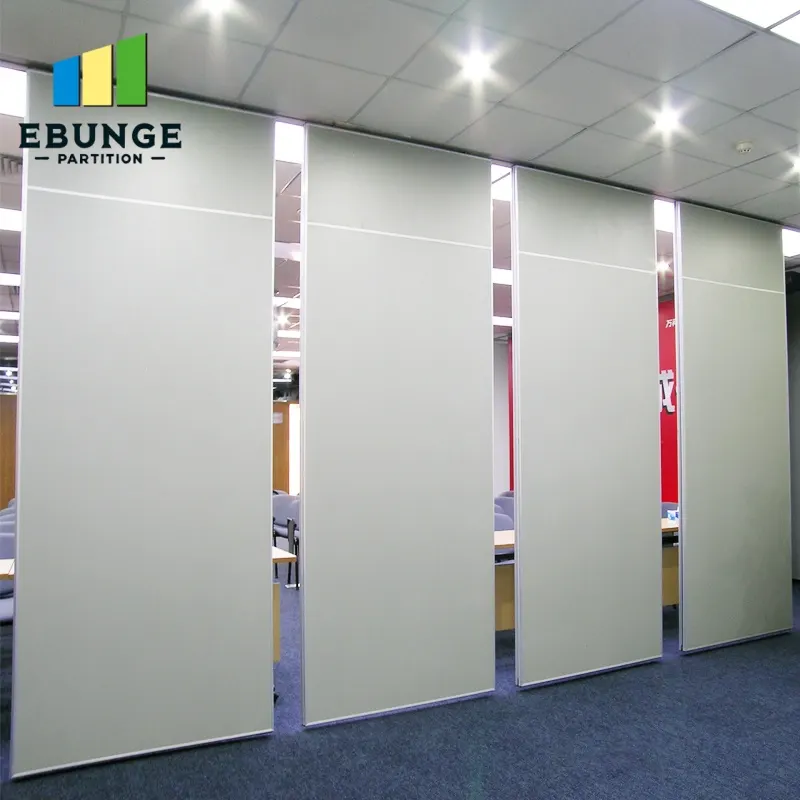
EBUNGE movable wall panels are individually movable, suspended from a top track, and cross the opening without a floor track. They park at a planned stacking position. Because the panels hang from above, the overhead route is the first thing the installation depends on. If the panels are delayed but the structure above the opening is ready, a track fixing crew may be able to progress part of the route, provided the design has been reviewed and the supporting structure is confirmed as suitable.
This is not a claim that every site can proceed. It is a sequencing question. The track route, turning points and stacking position all come from the layout. Until those are reviewed, moving crews forward can create rework rather than save time.
Separate Panel-Dependent Work From Structure-Dependent Work
Coordination scope: track fixing crew.
Phasing works when the team agrees which tasks are tied to the panels and which are tied to the building. Panel-dependent tasks include hanging, aligning and testing individual panels, and any final adjustment that requires the panels to be present. The exact overhead route and support arrangement must be confirmed by the responsible project team from coordinated drawings.
When delivery slips, the structure-dependent list is where a crew can stay productive. The panel-dependent list should be protected from premature starts, because partial hanging without the full set can complicate alignment and access.
A simple decision checklist for the site meeting
- Has the full movement route been reviewed from the layout, including straight, turning and stacking sections?
- Is the overhead route continuous and connected for every proposed movement path?
- Has the supporting structure been confirmed as suitable for the project-specific condition?
- Is the parking or stacking position defined and clear of other trades?
- Are pass-door requirements and project documentation resolved before crews are committed?
- Has the finish schedule been confirmed so panel-dependent work is not started against an unresolved specification?
Phase the Crew Around the Overhead Route
Checklist focus: track fixing crew.
A practical phase plan follows the route rather than the calendar. The first phase reviews the layout and marks the overhead line. The second phase prepares the support condition and the stacking zone. The third phase installs the track route once the structure is confirmed. The fourth phase hangs and adjusts panels when they arrive.
If delivery slips, phases one and two can often continue. Phase four cannot be pulled forward without the panels themselves. This separation gives the site manager a clear answer when asked what the crew should do next.
Numbered sequence for a delayed delivery
- Reconfirm the layout and the full movement route with the project team.
- Verify the support condition against the project-specific drawings.
- Protect and clear the planned stacking position.
- Install the overhead route only where the structure is confirmed.
- Hold panel hanging until the delivery is on site and inspected.
- Complete alignment and any pass-door coordination after hanging.
Protect the Stacking Position and the Opening
Review focus: track fixing crew.
The stacking position is part of the design, not a spare corner. When other trades are active, that zone can be filled with materials or blocked by access equipment. A delayed panel delivery is a good moment to confirm the stacking area is reserved and that the route into it remains clear.
The opening itself also needs protection. Because the system crosses the opening without a floor track, the floor line stays clear, but the overhead route and the parking zone still need coordination with ceilings, services and adjacent finishes. Confirm these interfaces before crews move forward.
What Must Be Confirmed Before Crews Are Committed
Track fixing crew phasing panel delivery slip planning should not become a reason to guess at engineering. The following items require project-specific confirmation and should not be inferred from a drawing, a finish sample or a photograph.
Evidence note: statements that need matching project evidence
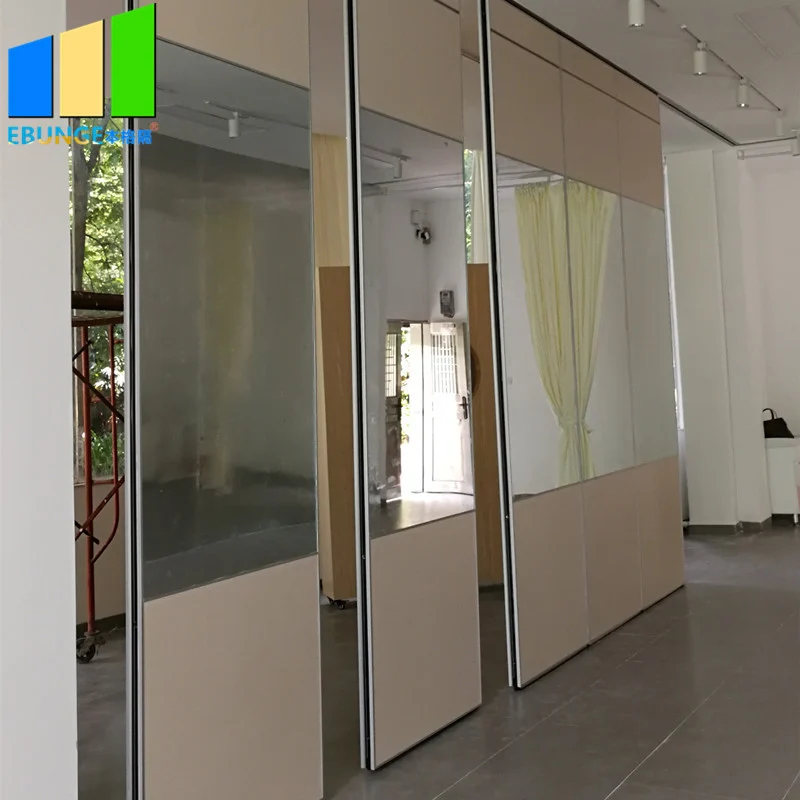
Support conditions, acoustic requirements, dimensional tolerances, structural capacity and installation sequence must be confirmed for the specific project. A visible finish or a generic application example is not evidence of structural capacity, acoustic performance or a application reference. Do not treat a named venue as a limitation on other suitable flexible-space applications.
| Item | Can it be inferred? | What to do instead |
|---|---|---|
| Overhead route continuity | No | Review the layout and confirm every movement path |
| Support suitability | No | Confirm against project-specific structural review |
| Stacking position | No | Confirm from the coordinated layout |
| Finish selection | Partly | Confirm from approved finish options |
| Acoustic requirement | No | Confirm project-specific acoustic design |
Coordinate Finishes and Documentation While Waiting
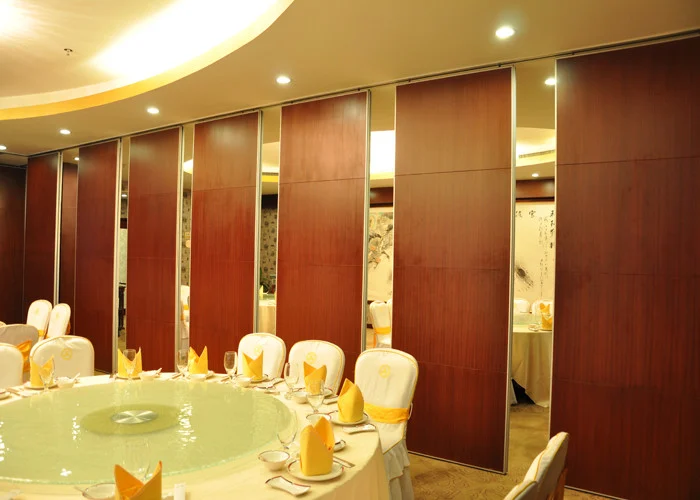
Confirmed finish options include laminate, melamine, fabric, leather, glass and other approved surfaces. A delivery slip is a useful window to close out finish approvals, pass-door requirements and project documentation. These items affect panel-dependent work, so resolving them early reduces the risk of a second delay once panels arrive.
Documentation should also record what was installed before the panels arrived and what remains open. This record helps the project team avoid assumptions about completion and supports a clean handover discussion later.
Frequently Asked Questions
Can track fixing start before the panels are delivered?
It can be considered where the layout has been reviewed and the supporting structure is confirmed as suitable for the project-specific condition. The overhead route and stacking position must be defined first. Panel hanging itself depends on the panels being on site.
Does a delayed delivery change the track layout?
Not automatically. The straight, turning and stacking routes come from the layout. A delay is a scheduling event, not a design change. If the layout changes, the route and support review should be repeated.
What should the crew do while waiting?
Avoid starting panel-dependent work without the panels.
How should acoustic requirements be handled during a delay?
Confirm the required acoustic design with the project team rather than inferring performance from a finish or a drawing.
Can panels travel across an untracked gap?
No. Every proposed movement path requires a continuous connected overhead route and project-specific support review. The absence of a floor track does not remove the need for a connected top track.
When should the contractor involve EBUNGE?
Involve EBUNGE early when the layout, support condition, finish schedule or pass-door requirements are still open. Project documentation and pass-door requirements can be discussed directly with the team.
Conclusion: Phase the Work, Confirm the Details
A panel delivery slip does not have to stop the whole installation. By separating structure-dependent work from panel-dependent work, contractors can keep track fixing crews productive while protecting the overhead route, the stacking position and the opening. Visible references can support layout discussion but do not verify hidden construction or performance.
Use the movable wall product information to review the system context, and the resources section for further planning material. When the layout, support condition or documentation needs project-specific review, contact the EBUNGE team to discuss the requirements before crews are committed.